
Taiwan Downplays Impact of China’s Rare Earths Curbs
- Taiwan says China’s expanded rare earth export controls pose no immediate threat to its semiconductor sector due to differing material needs.
Semiconductor Sector Remains Unaffected
Taiwan’s Ministry of Economic Affairs stated on Sunday that China’s newly expanded rare earth export restrictions are unlikely to disrupt the island’s semiconductor industry. The announcement follows Beijing’s decision to add five new elements to its export control list, targeting materials with potential military applications. According to the ministry, the rare earths now subject to tighter scrutiny differ from those used in Taiwan’s chip manufacturing processes. As a result, no significant impact is expected on domestic semiconductor production.
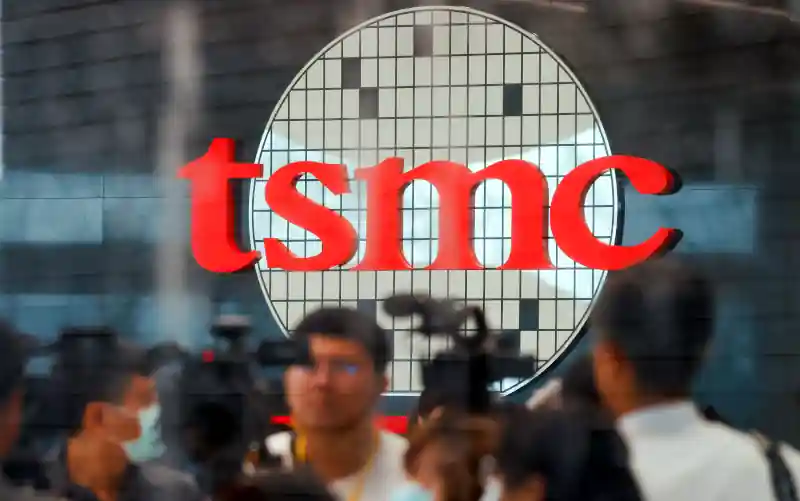
Most of Taiwan’s rare earth-related imports originate from Europe, the United States, and Japan. These sources provide the specific materials required for advanced chip fabrication, including those used by Taiwan Semiconductor Manufacturing Company (TSMC). TSMC is the world’s largest contract chipmaker and plays a central role in producing high-performance semiconductors for AI and other emerging technologies. The ministry emphasized that current supply chains for chip-related materials remain stable.
Broader Supply Chain Risks Remain
While Taiwan’s chip sector appears insulated, the ministry cautioned that China’s export controls could affect other industries. Products such as electric vehicles and drones rely on rare earths that may now be harder to source. The global supply chain for these technologies could experience disruptions if alternative suppliers fail to meet demand. Ongoing monitoring will be necessary to assess the broader implications of Beijing’s policy shift.
China defended its decision to expand export restrictions, citing national security concerns. Officials pointed to the military relevance of certain rare earth elements amid what they described as “frequent military conflict.” The move comes ahead of scheduled talks between Presidents Donald Trump and Xi Jinping, adding a geopolitical dimension to the trade measures. Analysts suggest the timing may reflect strategic positioning in broader diplomatic negotiations.
Strategic Importance of Rare Earths
Rare earth elements are essential in the production of high-tech devices, including magnets, batteries, and sensors. Despite their name, these materials are relatively abundant but difficult to extract and refine economically. China dominates global rare earth production, accounting for a significant share of mining and processing capacity. Taiwan’s reliance on alternative sources highlights efforts to diversify supply chains and reduce exposure to geopolitical risks.
Interestingly, the five newly restricted elements—holmium, erbium, terbium, dysprosium, and thulium—are more commonly used in defense and aerospace applications than in semiconductor fabrication. This distinction may explain why Taiwan’s chip industry remains unaffected for now. However, experts warn that any future expansion of controls to include more widely used materials could shift the risk landscape. For now, Taiwan’s semiconductor sector continues to operate without disruption.