Nanotyrannus Confirmed as Distinct from T. rex
- Study involved original Nanotyrannus fossil found in 1942
- Hyoid bone showed it was a mature dinosaur, not a juvenile
- It means two imposing meat-eating dinosaurs coexisted
Summary Two recent studies have resolved a decades-long debate over whether Nanotyrannus was simply a juvenile Tyrannosaurus rex. Evidence from a throat bone called the hyoid shows that the holotype specimen was mature, proving Nanotyrannus was a separate species. The findings reveal that two large predators coexisted in North America during the late Cretaceous period.
Evidence from the Hyoid Bone
The latest study examined the hyoid bone from the first Nanotyrannus fossil discovered in Montana in 1942. Growth rings in the bone indicated the individual was between 15 and 18 years old, suggesting it was fully grown or nearly so. This discovery rules out the possibility that the specimen was an immature T. rex. Researchers emphasized that the holotype specimen defines Nanotyrannus as a distinct carnivorous dinosaur species.
Anatomical Differences and Earlier Findings
An October study had already highlighted differences between Nanotyrannus and Tyrannosaurus fossils. Nanotyrannus possessed more teeth, a crest in front of its eyes, an air sinus at the back of the skull, and a vestigial third finger. Tyrannosaurus, by contrast, had two fingers, thick banana-shaped teeth, and a shorter snout. Together, the studies provide strong evidence that Nanotyrannus was not a juvenile form of T. rex.
Ecological Implications
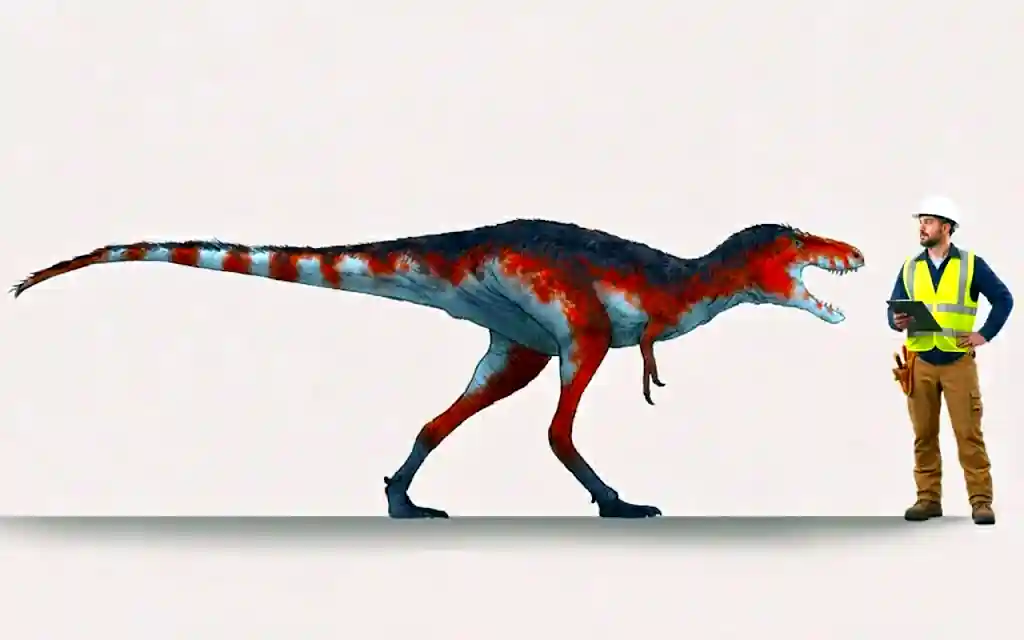
Nanotyrannus measured about 5 meters in length and weighed around 700 kilograms, roughly the size of a polar bear. Built for speed and agility, it had long legs, a slender snout, and strong arms for handling prey. Tyrannosaurus, in comparison, was far larger, reaching over 12 meters, and relied on strength with its massive head and stocky build. The coexistence of both predators suggests juvenile T. rex did not simply fill the role of smaller hunters, but instead competed with fully grown Nanotyrannus.
The hyoid bone, rarely used in dinosaur growth studies, proved crucial in this case. Unlike limb bones, the hyoid is not connected to other bones and supports the tongue, aiding in swallowing and breathing. In humans, it is horseshoe-shaped, while in Nanotyrannus it was tubular. Confirmation of two apex predators in the same ecosystem forces scientists to reconsider how smaller animals survived, facing multiple threats at once in the final era before the dinosaurs’ extinction.