
Tiangong Station Adds Debris Protection
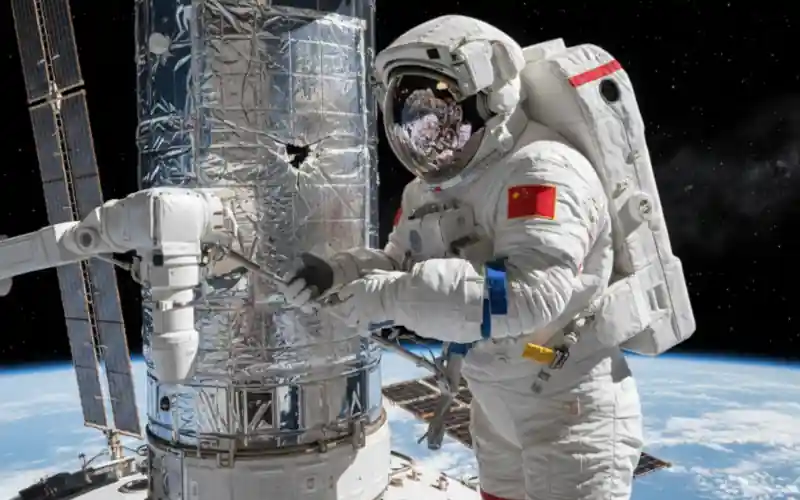
- Chinese astronauts have installed new shielding against orbital debris on the Tiangong space station
- The measure follows damage to a docked spacecraft last month, which forced China’s first emergency crew transfer
- Officials say the protection is intended to reduce risks from space junk that increasingly threatens missions in low Earth orbit
Emergency Sparks Protective Measures
China’s manned spaceflight authorities confirmed that astronauts fitted debris protection aboard Tiangong after a recent incident. A fragment of space junk had cracked the window of the Shenzhou‑20 return capsule just before its scheduled departure. The damage was considered serious enough to delay the crew’s return and reroute them to the Shenzhou‑21 spacecraft. That decision marked the country’s first emergency launch mission, leaving the Shenzhou‑21 crew without a usable vessel for 11 days.
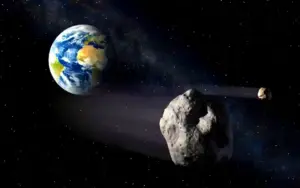
The episode underscored the hazards posed by orbital debris to modern space programs. Defunct satellites, collisions involving active spacecraft, and anti‑satellite weapon tests all contribute to long‑lasting fragments in orbit. These objects can travel at speeds exceeding 27,000 kilometers per hour, making even small particles dangerous. Nations pursuing long‑term exploration and habitation beyond Earth must now factor debris protection into mission planning.
Spacewalk and Inspection Activities
To prevent similar emergencies, two Shenzhou‑21 astronauts conducted a spacewalk to install protective shielding. The operation used Tiangong’s robotic arm to position the equipment around vulnerable areas. During the same mission, the crew inspected and photographed the cracked window of Shenzhou‑20, which remains docked at the station. Plans call for the damaged vessel to return uncrewed to China for further examination, and reinforcement of the window may be attempted in future spacewalks.
Space debris has become a pressing issue for all orbital missions. According to the European Space Agency, more than 36,000 pieces of debris larger than 10 centimeters are currently tracked in Earth orbit, with millions of smaller fragments too tiny to monitor individually. Even paint flakes or metal shards can puncture spacecraft surfaces, as demonstrated by past incidents on the International Space Station. The Tiangong episode highlights how debris management is no longer a theoretical concern but a practical challenge for every nation operating in space.