Lenovo and Infineon Advance Autonomous Driving
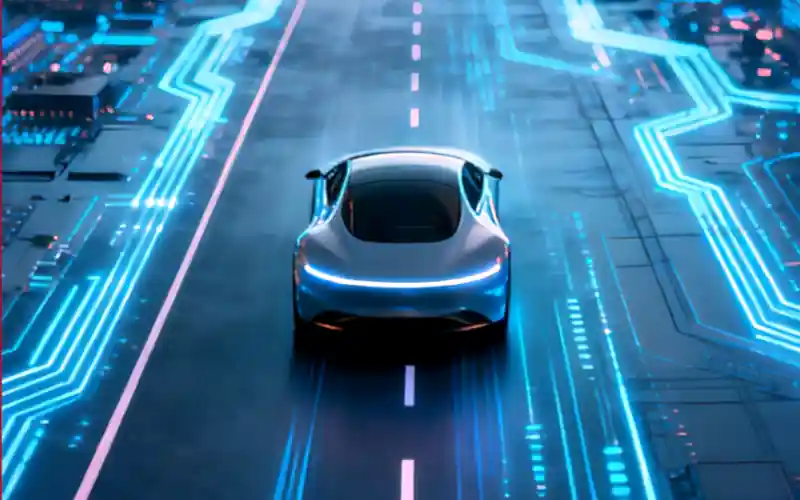
- Lenovo and Infineon Technologies are strengthening their partnership to support the next stage of autonomous driving.
- Their collaboration integrates high-performance computing with advanced microcontroller technology to improve safety, efficiency, and connectivity in software-defined vehicles.
- The initiative also highlights broader efforts to build sustainable and intelligent mobility ecosystems.
Joint Effort for Software-Defined Vehicles
Lenovo has introduced its flagship domain controllers, AD1 and AH1, which incorporate Infineon’s AURIX microcontroller technology. These platforms are designed to enhance advanced driver assistance systems (ADAS), improve energy efficiency, and enable high-speed communication across vehicle networks. Infineon emphasizes that its microcontrollers provide secure and reliable computing essential for software-defined vehicles. By combining Lenovo’s scalable architectures with Infineon’s hardware, the companies aim to accelerate smart mobility strategies for automakers.
Executives from both firms describe the collaboration as a step toward more dependable driving experiences. Lenovo highlights its “Smarter Technology for All” strategy, which integrates AI into real-world vehicle scenarios. Infineon’s semiconductor solutions are presented as a stable foundation for Lenovo’s computing platforms. Together, the companies seek to deliver safer, more energy-efficient, and seamlessly connected vehicles for end users.
Expanding Ecosystem Partnerships
Beyond their direct collaboration, Lenovo and Infineon are working with partners across the automotive value chain. These partnerships include system integration, services, software, and tools, reinforcing a broader ecosystem approach. Future plans involve combining advanced hardware with intelligent software integration to support connected and automated mobility. The companies view this as a pathway to sustainable innovation in the automotive industry.
Infineon’s AURIX microcontroller family is widely recognized in the automotive sector and has been used in safety-critical applications such as braking and steering systems. Its integration into Lenovo’s domain controllers reflects a growing trend of blending traditional automotive hardware with modern computing platforms. Analysts note that software-defined vehicles are expected to reshape the industry by allowing continuous updates and new features long after purchase. This shift could redefine how drivers and manufacturers view vehicle lifecycles in the coming decade.