

Communities Push Back Against Data Center Expansion
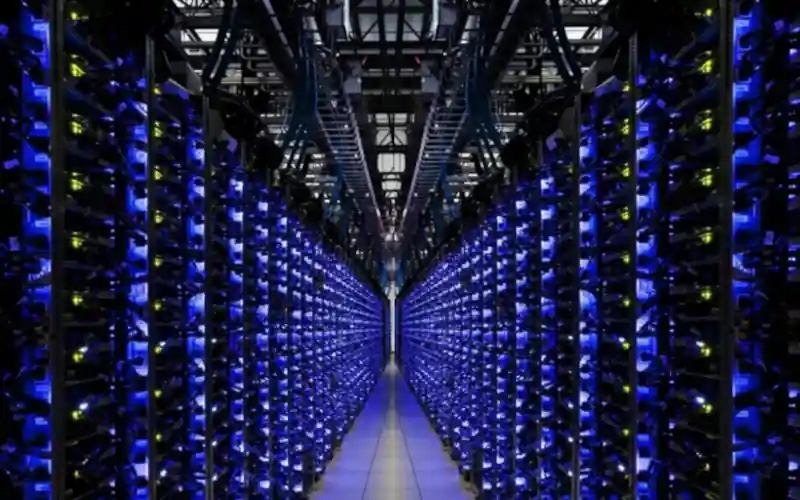
- Large technology companies are facing growing resistance as they attempt to build new data centers across the United States to support AI and cloud computing.
- Local opposition has intensified in towns and suburbs where residents worry about noise, energy use and environmental impact.
- The trend is slowing or halting projects worth billions of dollars, reshaping how developers approach future sites.
Rising Local Resistance to New Data Centers
Tech companies and developers planning massive data center projects are increasingly encountering organized community opposition. Residents in farming towns and expanding suburbs are showing up in large numbers at municipal meetings to protest proposals they believe threaten their quality of life. Many local boards are still trying to determine whether these energy‑ and water‑intensive facilities fit within existing zoning rules. Some communities have attempted to revise ordinances, while others lack zoning frameworks altogether.
As awareness spreads, communities are learning from one another’s experiences. Reports of rejected proposals have circulated widely, prompting residents to mobilize earlier in the planning process. In Pennsylvania’s East Vincent Township, one resident asked officials whether they would want such a facility built in their own backyard. His comments reflect a sentiment shared across many regions where data centers are proposed.
Developers and tech firms are finding that projects once considered routine now face significant hurdles. The scale of modern data centers, often compared to industrial complexes, has amplified concerns. Many residents fear increased noise from generators, higher electricity bills or the loss of open land. These issues have become central to local debates over land use and infrastructure.
Opposition has grown strong enough to derail numerous proposals. Data Center Watch, a project of 10a Labs, reported that between April and June, 20 projects worth $98 billion were blocked or delayed in 11 states. This represented two‑thirds of the projects it tracked during that period. Advocacy groups say they receive daily calls from residents seeking guidance on how to challenge new developments.
Shared Concerns Drive a National Movement
Communities across the country cite similar worries when opposing data center construction. Rising electricity costs have made residents wary of facilities that require enormous amounts of power. Many fear that local wells and aquifers could be strained by water‑cooled systems. Others worry about the loss of farmland, forests or rural character as large industrial buildings replace open space.
Legal disputes have emerged as both residents and developers challenge local government decisions. Some lawsuits allege that officials violated zoning rules, while others claim that boards acted improperly in rejecting proposals. Major tech companies, including Microsoft, Google, Amazon and Facebook, have not publicly addressed the impact of community resistance. Microsoft, however, acknowledged in a securities filing that local opposition and moratoriums pose operational risks.
Developers are increasingly cautious as they weigh the likelihood of zoning approval. Some firms are considering selling properties after securing power access, recognizing that community resistance may still prevent construction. Power availability remains a critical factor in site selection, but it no longer guarantees project viability. The uncertainty has prompted developers to rethink their strategies.
Industry groups argue that misinformation about data centers is contributing to public resistance. They say claims about pollution or environmental harm are often exaggerated. Even so, trade associations are urging companies to engage earlier with communities, highlight economic benefits and demonstrate efforts to conserve resources. These steps are seen as essential to rebuilding trust.
Local Politics Shift as Residents Mobilize
Community opposition has become a dominant force in local politics. In Matthews, North Carolina, developers withdrew a proposal after the mayor warned it faced unanimous rejection. The project would have funded half the city’s budget, yet residents overwhelmingly opposed it. Officials said the backlash was so strong that approving the project would have cost them their positions.
Similar tensions have emerged in Hermantown, Minnesota, where a proposed data center campus larger than the Mall of America is on hold. Residents discovered through public records that officials had known about the project for a year before disclosing details. The revelation fueled anger and motivated residents to organize protests, distribute signs and challenge the city’s environmental review. Many said the secrecy surrounding the proposal eroded trust.
Developers have acknowledged the need for greater transparency. Mortenson, the firm behind the Hermantown project, said it is considering changes based on public feedback. The company also stated that more community engagement is appropriate. Residents, however, remain skeptical and continue to prepare for further opposition.
Local activists say they are committed to ongoing resistance. Some have formed networks through social media to share information and coordinate efforts. Others have taken on leadership roles in their communities to ensure their concerns are heard. Many believe the fight over data centers is far from over.
Data center resistance is not unique to the United States. Several European countries, including Ireland and the Netherlands, have imposed temporary moratoriums on new data center construction due to concerns about energy consumption and grid stability. These international trends suggest that community‑driven scrutiny of digital infrastructure is becoming a global phenomenon. As AI and cloud computing continue to expand, the tension between technological growth and local impact is likely to intensify.