
Ice Age Wolf Preserves Woolly Rhino Genome
- Rhinoceros lived 14,400 years ago in northeastern Siberia
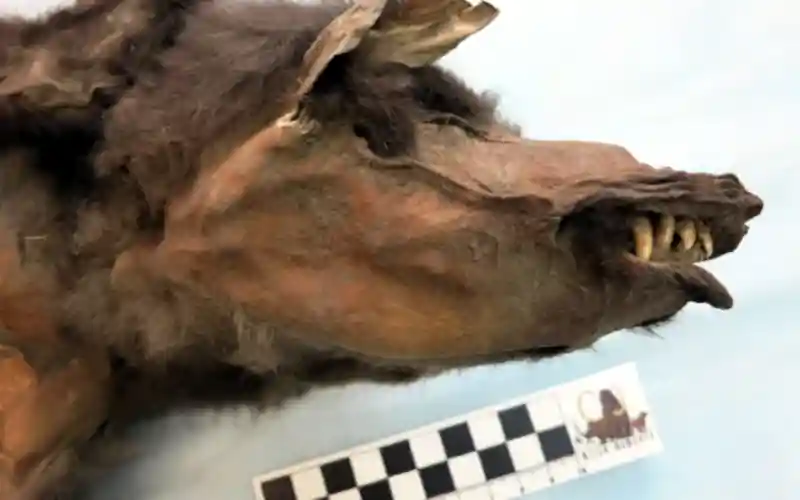
- Female grey wolf puppy’s body was discovered in permafrost
- DNA is extracted from undigested meat in puppy’s stomach
A Remarkable Find in Siberian Permafrost
Researchers uncovered the naturally mummified remains of two young wolf puppies near the Siberian village of Tumat, preserved in permafrost for thousands of years. One of the pups still had a piece of woolly rhinoceros meat in its stomach, providing an unexpected source of ancient DNA. Scientists extracted and reconstructed the rhino’s genome from this undigested material, marking the first time such a genome has been recovered from the stomach contents of another animal. The findings shed light on the species’ condition shortly before its disappearance around 14,000 years ago.
The team compared the newly recovered genome with those of two older woolly rhinos dating back 18,000 and 49,000 years. This allowed them to track genetic diversity across tens of millennia. Their analysis revealed no signs of inbreeding or long‑term decline, indicating that the species remained genetically stable until very late in its history. The results suggest a sudden collapse rather than a gradual weakening of the population.
Climate Change and a Rapid Extinction
Woolly rhinoceroses first appeared roughly 600,000 years ago and thrived across northern Europe and Asia during the Ice Age. They were large, cold‑adapted grazers with thick fur, two horns, and a distinctive hump, feeding primarily on grasses and low vegetation. Their closest living relative is the much smaller Sumatran rhino. Many large Ice Age mammals, including mammoths and saber‑toothed cats, vanished during the same period as warming temperatures reshaped their habitats.
The study found no genetic evidence that human hunting caused a long‑term decline in woolly rhino numbers. Humans had lived in the region for thousands of years before the extinction without triggering population stress. Researchers therefore point to rapid climate warming around 14,000 years ago as the most likely cause, as the species’ preferred steppe‑tundra environment disappeared. While human activity cannot be entirely ruled out, archaeological evidence for widespread hunting remains limited.
Insights from an Ancient Predator’s Last Meal
The wolf puppy that preserved the rhino meat was only seven to nine weeks old when it died. Its stomach still contained milk, suggesting it was not yet fully weaned and likely received the rhino meat from its mother or pack members. The undigested state of the meat indicates the pup died shortly after eating. This unusual preservation created a rare opportunity to study a species at the brink of extinction through material that would normally decay rapidly.
Researchers say the work demonstrates the potential of recovering high‑quality genomes from unexpected and poorly preserved sources. The shockingly intact DNA offers a snapshot of a species just before its disappearance, helping scientists understand how environmental change can drive rapid extinction. The study also highlights the value of permafrost sites, which continue to yield exceptionally well‑preserved Ice Age specimens.
Woolly rhinos were once so widespread that their images appear in Paleolithic cave art across Europe. Interestingly, some cave paintings depict the animals with a reddish or orange coat, a detail supported by recent genetic studies suggesting they may have carried genes for lighter fur coloration.