
T. rex Reached Full Size Far Later Than Expected
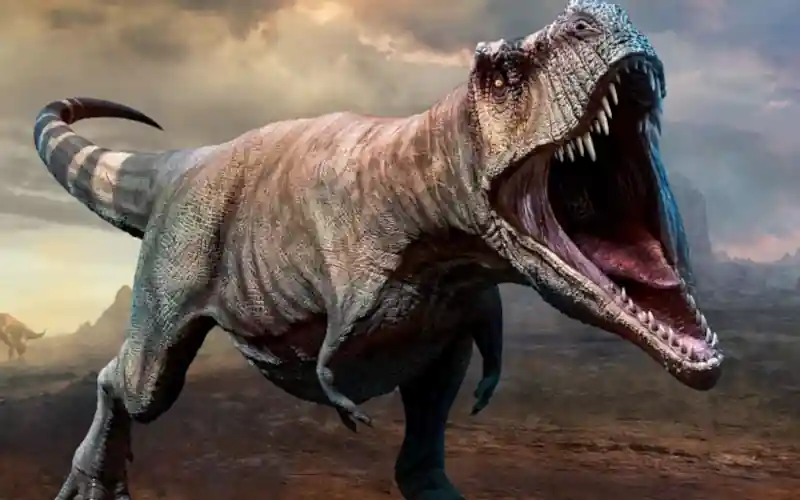
- Researchers examine T. rex bone tissue microstructure.
- Its leg bones have annual growth rings like tree trunks.
- Researchers use polarized light to detect growth marks.
A Slower Path to Gigantic Size
A team of paleontologists has re‑evaluated how quickly T. rex grew by studying the bone microstructure of 17 fossil specimens. Their analysis indicates that the dinosaur reached its maximum mass of roughly eight tons only around age 40, extending earlier estimates by about 15 years. Newly identified growth marks, visible only under polarized light, revealed a more prolonged developmental trajectory. Lead author Holly Woodward noted that the species spent much of its life at juvenile or subadult sizes rather than rapidly accelerating toward adulthood.
The researchers examined annual growth rings in the leg bones, similar to those found in tree trunks. These rings showed considerable variation in spacing, suggesting that growth rates fluctuated from year to year. Environmental conditions and food availability likely influenced these changes, with the animal growing more during favorable periods. This flexibility may have helped T. rex survive harsh conditions and eventually outcompete other carnivores.
Lifespan and Growth Patterns Reconsidered
The study also challenges earlier assumptions about the lifespan of T. rex. Previous research suggested the species lived around 30 years, but the new findings point to a lifespan closer to 45 to 50 years. Co‑author Jack Horner explained that the team used a broader sample of fossils—many from the Museum of the Rockies—and applied a new statistical method to compare growth records across individuals. This approach produced a more consistent growth curve that better aligns with the dinosaur’s massive size.
Researchers emphasized that no estimate can be confirmed with absolute certainty, since no living T. rex exists for comparison. However, the revised figures appear more plausible given the animal’s physical dimensions and ecological role. The species roamed western North America during the late Cretaceous, just before the asteroid impact that ended the age of dinosaurs 66 million years ago. Its anatomy—large skull, powerful bite, strong legs, and small two‑fingered arms—made it one of the most formidable predators of its time.
Ecological Implications of Extended Growth
T. rex preyed on a range of herbivorous dinosaurs, including duck‑billed Edmontosaurus, horned Triceratops, and, farther south, the long‑necked Alamosaurus. The study suggests that a prolonged growth period may have allowed younger individuals to occupy different ecological niches than fully grown adults. Smaller juveniles may have relied more on active hunting, while older adults could have shifted toward opportunistic scavenging. This division of feeding strategies may have reduced competition within the species.
Horner noted that the extended growth window gave younger animals more time to secure live prey before transitioning into the ecological role of a giant apex predator. Although the evolutionary advantages of specific traits remain uncertain, the findings highlight how growth flexibility may have contributed to the species’ long‑term success. The study adds to a growing body of research showing that T. rex biology was more complex than once assumed.
Growth‑ring analysis has become an increasingly important tool in paleontology, offering insights into the life histories of extinct animals. Interestingly, similar methods have revealed that some large herbivorous dinosaurs also experienced fluctuating growth rates tied to environmental conditions. This suggests that flexible growth may have been a widespread survival strategy during the unpredictable climates of the late Cretaceous.