
Valve Eases Verification Rules for Steam Machine
- Valve says its upcoming Steam Machine will use a more flexible game‑verification process than the Steam Deck, giving developers fewer technical constraints.
- The company also confirmed that Steam Deck‑verified titles will automatically qualify on the new device.
- Additional hardware, including the Steam Frame VR headset and a new Steam Controller, is in development but still lacks pricing and release dates.
A More Flexible Approach for Developers
Valve has confirmed that its upcoming Steam Machine will introduce a more relaxed verification process compared to the Steam Deck. Designer Lawrence Yang told Game Developer that studios waiting for the new “Steam Machine Verified” program can expect fewer limitations than those applied to the handheld device. He explained that developers will have more room to work within the platform’s requirements. According to Yang, any game already verified on Steam Deck will automatically qualify on Steam Machine.
The company is also preparing a separate process for its Steam Frame virtual‑reality headset. Yang noted that VR titles may require different testing rounds to ensure compatibility and performance. Valve plans to provide developers with feedback throughout this process to refine the system. The goal is to create a consistent and reliable verification framework across its expanding hardware lineup.
How Verification Works Today
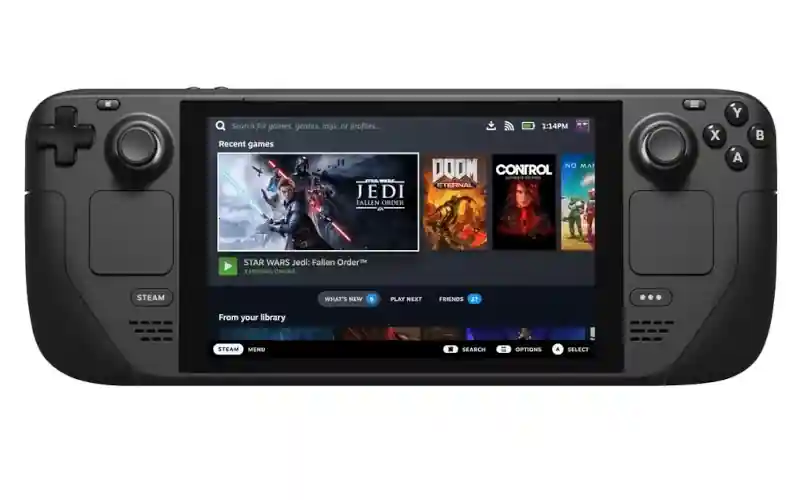
Valve introduced the Steam Deck Verified program ahead of the handheld’s launch to help players understand how games perform on the device. The system categorizes titles as verified, playable, or unsupported based on how well they run. Verified games work without issues, while playable titles may require minor adjustments or exhibit small limitations. Unsupported games fail to run properly due to technical or compatibility constraints.
This classification system has become an important reference point for Steam Deck owners. It also guides developers in optimizing their games for the hardware. Valve’s decision to ease constraints for the Steam Machine suggests that the mini PC will offer broader compatibility out of the box. The company appears to be positioning the device as a more flexible alternative to the handheld.
New Hardware on the Horizon
Valve announced three new hardware products in November: the Steam Machine mini PC, the Steam Frame VR headset, and a second‑generation Steam Controller. None of these devices have confirmed release dates or pricing. The company has emphasized that development is ongoing and that specifications may still change. Each product targets a different segment of the PC gaming market, expanding Valve’s hardware ecosystem.
During an appearance on the Friends Per Second podcast, Valve engineer Pierre‑Loup Griffais discussed the Steam Machine’s pricing strategy. He said the company has not finalized an internal price but aims to offer strong value. Griffais suggested that the target range aligns with the cost of building a comparable PC from individual components. Market fluctuations, however, make it difficult to determine a precise figure at this stage.
Positioning Steam Machine in the PC Market
Balancing Performance and Accessibility
Valve appears to be designing the Steam Machine to appeal to users who want PC‑level performance in a compact form factor. The relaxed verification rules indicate that the device will support a wide range of games without requiring extensive optimization. This approach could help the Steam Machine reach a broader audience than the Steam Deck. It may also reduce the workload for developers who already support Valve’s handheld.
The company’s emphasis on value suggests that pricing will be a key factor in the Steam Machine’s positioning. Griffais’ comments imply that Valve wants the device to compete with custom‑built PCs rather than traditional consoles. Achieving this balance will depend on component costs and supply‑chain stability. Valve is still evaluating these variables as development continues.
Expanding Valve’s Hardware Strategy
The introduction of three new devices marks one of Valve’s most ambitious hardware pushes in years. The Steam Frame VR headset signals a renewed interest in virtual reality, an area where Valve has previously invested through the Index. A new Steam Controller also indicates that the company is revisiting earlier ideas with updated designs. Together, these products suggest a long‑term plan to strengthen Valve’s presence in gaming hardware.
Verification processes will play a central role in how these devices integrate with the Steam ecosystem. Valve’s decision to tailor verification for each platform reflects the different technical demands of handheld, PC, and VR hardware. Developers will likely benefit from clearer guidelines as the company refines its approach. The success of these initiatives will depend on how smoothly the verification systems function at launch.
Unanswered Questions Ahead of Launch
Many details about the Steam Machine and its companion devices remain unknown. Valve has not shared specifications, pricing, or release windows. The company is still evaluating market conditions, which could influence final decisions. As a result, developers and consumers will need to wait for further announcements.
Valve’s cautious communication suggests that the hardware is still in active development. The company appears focused on ensuring that verification, performance, and pricing align with user expectations. More information is expected as the devices move closer to launch. Until then, the Steam Machine remains one of the most anticipated additions to Valve’s hardware lineup.
English summary
|