
Ancient Fossils Reveal a Thriving Cambrian Sea
- Newly uncovered fossils from southern China offer a detailed look at a deep‑water marine ecosystem that flourished more than 500 million years ago.
- The discovery provides rare insight into how life recovered after the earliest known mass extinction.
- Researchers say the findings expand understanding of early animal evolution during the Cambrian Period.
A Rich Ecosystem Preserved in Exceptional Detail
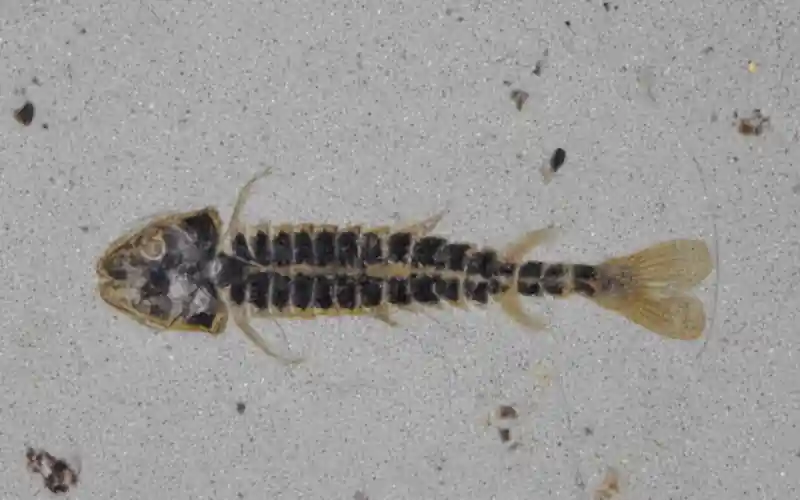
Scientists excavated more than 50,000 fossils from a quarry in Hunan province, identifying a diverse community they call the Huayuan biota. The remains date back roughly 512 million years and include invertebrates of many shapes and sizes, some preserved down to individual cells. Researchers documented legs, gills, digestive tracts, eyes and even nerve tissues, offering an unusually complete view of ancient marine life. These fossils represent organisms that lived shortly after the first mass extinction in animal history.
The team examined 8,681 specimens and recognized 153 species, with 91 previously unknown to science. The fossils come from a time when all life existed in the oceans, and they rival the Burgess Shale in Canada and the Chengjiang biota in Yunnan for scientific importance. According to lead author Han Zeng, the Huayuan ecosystem occupied deep waters along the edge of the South China continental shelf. Animals lived throughout the water column and within the seafloor sediment, showing a wide range of feeding strategies and mobility.
Predators and Early Relatives of Vertebrates
Arthropods, cnidarians and sponges were among the most common groups represented in the collection. Several radiodonts, primitive arthropods with grasping appendages, appear to have been the top predators in the ecosystem. Another species resembled a cactus due to its covering of spines, highlighting the unusual body plans of early marine animals. Although all the organisms were invertebrates, the biota includes groups considered close relatives of the earliest vertebrates.
The fossils provide the clearest picture yet of how deep‑water ecosystems responded to the Sinsk event, a mass extinction about 513.5 million years ago likely triggered by volcanic activity and rapid climate change. Evidence suggests that deeper‑water species were less affected than those living in shallower environments. Comparisons with the Burgess Shale, which formed several million years later, show surprising overlap in species despite the vast geographic distance. Researchers believe that larval stages of early animals may have dispersed widely through ocean currents, allowing species to spread across continents.
The Cambrian Period is known for the “Cambrian explosion,” a rapid evolutionary expansion that produced most major animal groups. Fossil sites like Huayuan help scientists understand how early ecosystems functioned and how species adapted to environmental upheaval. Interestingly, radiodonts—once thought to be rare—are now recognized as widespread and ecologically important predators thanks to discoveries from sites like this one.