Samsung Adds New Layer for On‑Device Privacy
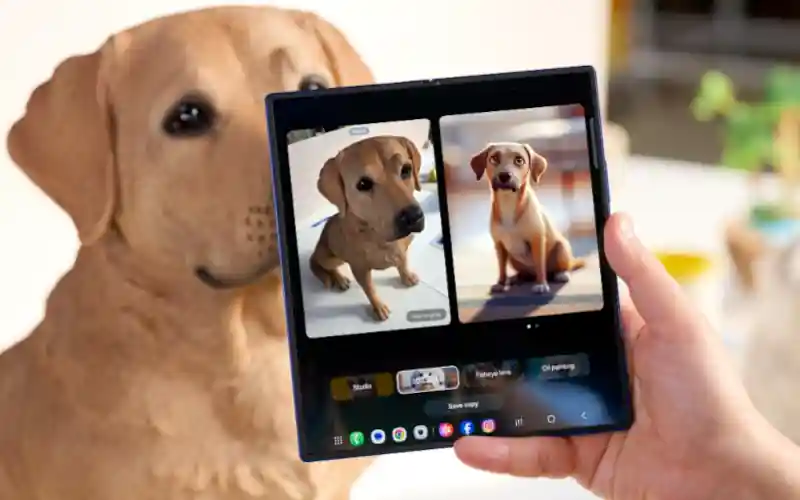
- Samsung is introducing a new privacy layer designed to shield smartphone screens from unwanted glances in crowded public spaces.
- The feature aims to give users more control over what is visible on their devices, even when surrounded by others.
- It builds on years of hardware and software development within the Galaxy security ecosystem.
A Response to Everyday Privacy Challenges
Smartphones hold some of the most personal details of their owners, yet they are often used in places where privacy is limited. People check messages, enter passwords or browse sensitive information while commuting, waiting in line or standing in elevators. These situations make it easy for others to glimpse private content without permission. Samsung’s upcoming privacy layer is intended to reduce this risk by obscuring on‑screen information from nearby observers.
Not every user requires the same level of protection, so the new layer allows individuals to tailor visibility settings to their needs. Security can be increased for specific apps or for sections of the interface that contain sensitive data. The system can also hide selected elements such as pop‑up notifications, offering fine‑grained control over what remains visible. Samsung developed the feature over more than five years of engineering, testing and user research to understand how people define and manage privacy in daily life.
Integration with Samsung’s Existing Security Framework
The new capability represents the next step in Samsung’s broader approach to mobile security on Galaxy devices. Strong protection has long been a core part of the company’s strategy, supported by technologies such as the Knox Vault hardware module and the Knox Matrix ecosystem safeguards. The latest addition extends this foundation by providing pixel‑level privacy that operates quietly in the background. It is designed to complement existing tools rather than replace them, reinforcing the company’s emphasis on layered security.
Samsung describes the feature as visible privacy with practical benefits, offering reassurance in situations where users feel exposed. The company plans to make the protection available on Galaxy devices in the near future. Its introduction reflects a growing industry trend toward on‑device privacy solutions that adapt to real‑world usage patterns. These developments highlight how smartphone security is evolving beyond data encryption to include everyday visual protection.
Screen‑privacy technologies have been explored by several manufacturers, but most rely on physical filters or accessories that limit viewing angles. Software‑based approaches like Samsung’s are less common and can offer more flexibility without altering display hardware. Researchers studying mobile behavior note that “shoulder surfing” remains one of the most frequent forms of casual privacy intrusion, especially in urban environments, making such features increasingly relevant.