
Roblox Debuts AI Tool for Generating Interactive 3D Models
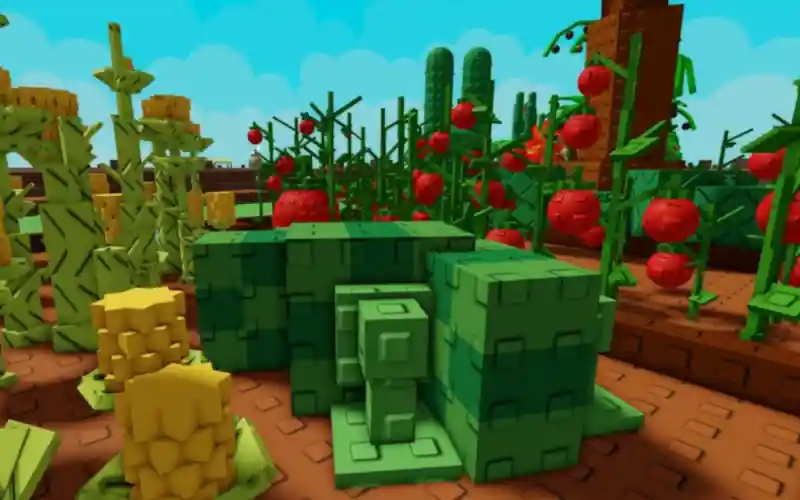
- Roblox has introduced a new AI system capable of generating fully functional in‑game models from natural language prompts.
- The technology, called 4D creation, aims to make game development more accessible to a wider range of creators.
- The launch reflects Roblox’s broader push into AI‑driven world modeling and comes amid rising industry interest in generative simulation tools.
Roblox Expands Its AI‑Powered Creation Tools
Roblox has launched a new artificial intelligence technology designed to generate interactive in‑game models using simple natural language descriptions. The system, known as 4D creation, is now available in beta and represents a significant upgrade from the company’s earlier AI model, which could only produce static 3D objects. With the new tool, users can create items such as vehicles that feature working doors and realistic physics‑based driving behavior. Roblox says the goal is to reduce the technical barriers that often limit new developers.
The company’s developer community is largely user‑driven, with creators responsible for building the games that populate the platform. By simplifying the creation process, Roblox hopes to encourage more users to experiment with game development. The platform reported more than 150 million average daily active users at the end of the third quarter, highlighting the scale of its audience. Lowering the entry threshold could help sustain growth by enabling more players to become creators.
Roblox executives say the new tool is designed to support both artists and programmers. Some creators find visual design easy but struggle with coding, while others face the opposite challenge. The company aims to bridge this gap by allowing users to generate both visuals and functionality through a single prompt. Roblox’s long‑term ambition is to enable players to create content directly within games.
AI World Models Form the Core of Roblox’s Strategy
The introduction of 4D creation is part of Roblox’s broader effort to develop AI world models. These systems are intended to understand the rules and dynamics of virtual environments, enabling them to predict and generate future gameplay. Such capabilities could eventually allow AI to assist with everything from level design to character behavior. Roblox sees this as a key step toward more immersive and adaptive game worlds.
The company has been investing heavily in server capacity to support its rapidly growing user base. It has also increased spending on AI research and safety initiatives, areas that have drawn scrutiny from U.S. state and international regulators. Ensuring that AI‑generated content remains safe and appropriate is a central concern for the platform. Roblox says it is working to balance innovation with responsible deployment.
4D creation builds on earlier experiments with generative tools. The previous model could create static objects, but developers still needed to script interactions manually. The new system automates both the visual and functional aspects of an object, reducing development time. This shift could accelerate the pace at which new games and features appear on the platform.
Roblox’s approach aligns with a broader industry trend toward AI‑assisted content creation. Game engines and creative platforms are increasingly integrating generative tools to streamline development. Roblox’s large and diverse creator community makes it a natural testing ground for such technologies. The company expects AI to play a growing role in shaping future gameplay experiences.
Industry Competition Heats Up Around Generative Simulation
Roblox’s announcement comes shortly after Google introduced an AI model capable of simulating real‑world environments from prompts or uploaded images. The timing highlights the rapid pace of innovation in generative simulation technologies. Companies across the tech and gaming sectors are racing to develop tools that can automate complex creative tasks. These systems promise to reshape how virtual worlds are built and maintained.
The rise of generative AI has sparked interest among both professional developers and hobbyists. Tools that translate natural language into functional game assets could significantly broaden participation in game creation. Roblox’s 4D creation system positions the company as an early mover in this space. Its large user base gives it a unique advantage in testing and refining AI‑driven features.
Competition is likely to intensify as more companies explore similar capabilities. AI‑generated environments could become a standard feature of future game engines. Roblox’s focus on user‑generated content makes it particularly sensitive to the need for accessible tools. The company’s investment in AI suggests it intends to remain at the forefront of this shift.
Roblox’s long‑term vision includes enabling players themselves to create content directly within games. If successful, this could blur the line between player and developer even further. The company believes that empowering users with AI tools will lead to more diverse and dynamic experiences across the platform.
Roblox’s push into AI world modeling mirrors broader research trends in simulation and predictive environments. Several academic and industry groups are exploring how AI can learn the physics and logic of virtual worlds to generate new scenarios. These models could eventually support automated testing, dynamic storytelling or adaptive gameplay. Roblox’s 4D creation system represents an early commercial application of these ideas.