
AI RAM Crunch May Delay Next‑Gen Consoles
- Sony and Nintendo are reportedly reassessing their next‑generation console plans as global RAM shortages continue to affect the tech industry.
- The surge in AI investment has driven memory demand to unprecedented levels, creating supply constraints and rising component costs.
- These pressures are now spilling over into consumer electronics, potentially reshaping the timeline and pricing of major gaming hardware.
AI‑Driven RAM Shortages Hit the Gaming Industry
A global shortage of RAM is beginning to affect the gaming hardware market, with major console makers reportedly reconsidering their plans. The shortage stems from the rapid expansion of AI data centers, which require vast amounts of memory to train and run large‑scale models. Companies such as Amazon, Microsoft, Google, and Meta have significantly increased their RAM consumption as they compete in the AI space. This surge in demand has pushed memory prices higher and strained supply chains worldwide.
Consumer electronics manufacturers are now feeling the impact. Valve recently announced a delay for its Steam Machines due to shortages in both memory and storage components. Microsoft is also said to be preparing another price increase for its Xbox Series X/S consoles as RAM costs continue to rise. These developments suggest that the effects of AI‑driven component scarcity are becoming increasingly visible across the gaming sector.
The situation has raised questions about how other major console makers will respond. Sony and Nintendo, both preparing for their next hardware cycles, are reportedly evaluating their strategies in light of the ongoing supply constraints. The decisions they make could influence the timing and pricing of next‑generation devices. Industry analysts warn that the shortages may persist if AI infrastructure spending continues at its current pace.
Memory manufacturers have struggled to keep up with demand despite ramping up production. AI workloads require high‑performance RAM in massive quantities, creating competition between enterprise buyers and consumer electronics companies. This imbalance has led to volatile pricing and unpredictable availability. The gaming industry, which relies heavily on stable component supply, is now facing difficult trade‑offs.
Sony May Push PS6 to 2028 or Later
Bloomberg reports that Sony is considering delaying the launch of the PlayStation 6 to 2028 or 2029. The company has not publicly discussed a release window, but leaked documents from 2022 indicated that the next‑gen console would not arrive before 2027. More recent reports suggested Sony hoped to begin manufacturing early next year for a 2027 launch. Analysts now believe that memory shortages make a later release more likely.
A delay would disrupt Sony’s long‑term hardware strategy. The company typically aims to maintain strong user engagement during transitions between console generations, and a prolonged gap could complicate that plan. The PlayStation 5 launched in 2020, meaning an eight‑ or nine‑year lifecycle would be longer than usual for Sony hardware. Extending the generation may require additional mid‑cycle updates or software initiatives to keep players invested.
Sony’s decision will likely depend on how quickly memory supply stabilizes. High RAM prices could significantly increase production costs for a next‑generation console, making a delay financially prudent. The company may also be monitoring how competitors navigate the same challenges. A coordinated slowdown across the industry could reduce pressure to rush new hardware to market.
Developers may also be affected by a longer console cycle. Studios planning next‑generation titles could face uncertainty about hardware specifications and release timing. This ambiguity may influence development roadmaps and investment decisions. The broader ecosystem will need to adapt if the PS6 timeline shifts significantly.
Nintendo Considers Switch 2 Price Increase
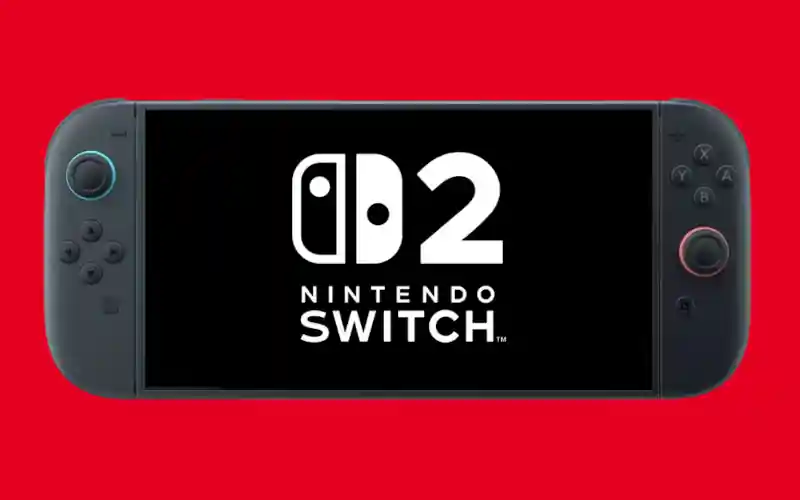
Nintendo is reportedly evaluating a price increase for the Switch 2, which has sold more than 17 million units since its 2025 launch. Bloomberg cites sources familiar with the company’s plans who say a price adjustment is under consideration for later this year. In January, Nintendo stated that RAM shortages would not have an immediate impact on pricing. However, company president Shuntaro Furukawa recently warned that continued shortages into the next fiscal year could force a change.
A price increase would be unusual for Nintendo, which typically maintains stable hardware pricing throughout a console’s lifecycle. Rising component costs may leave the company with limited alternatives. The Switch 2 relies on modern memory components that are now more expensive due to AI‑driven demand. Adjusting the price could help offset these higher production expenses.
Nintendo’s decision will likely depend on market conditions and consumer tolerance. The Switch 2 has performed strongly since launch, giving the company some flexibility. A price increase could slow momentum, but maintaining profitability may take precedence if RAM costs continue to climb. The company will need to balance accessibility with financial sustainability.
The broader gaming market may see similar adjustments if shortages persist. Hardware makers across the industry are facing the same supply pressures, and price changes could become more common. Consumers may need to prepare for higher costs or longer waits for new devices. The situation underscores how deeply AI infrastructure growth is influencing unrelated sectors.
The current RAM shortage reflects a broader trend: AI data centers now consume more memory per server than traditional cloud workloads, with some configurations requiring hundreds of gigabytes per node. This shift has created competition between enterprise AI deployments and consumer electronics manufacturers, contributing to the volatility seen across the hardware market.