
Apple Introduces iPhone 17e With Higher Base Storage

iPhone 17e
- Apple has launched the iPhone 17e, a more affordable model that now starts with 256 GB of storage at a $599 price point.
- The device arrives as component costs rise, yet Apple appears willing to absorb some pressure to strengthen its entry‑level offering.
- Its release reflects the company’s strategy to maintain competitiveness in a crowded global smartphone market.
A More Competitive Entry‑Level iPhone
Apple announced the iPhone 17e as its latest lower‑priced smartphone, positioning it as a more attractive option for users seeking modern hardware without premium‑tier pricing. The company kept the starting price at $599 while doubling the base storage to 256 GB, a change some analysts interpret as a functional price reduction. Rising memory chip costs have created challenges across the industry, yet Apple’s decision suggests a focus on maintaining value rather than passing costs to consumers. This approach may help the company defend market share as supply constraints affect multiple competitors.
Pre‑orders for the iPhone 17e will open in more than 70 countries and regions at 6:15 a.m. Pacific Time on Wednesday. The device is scheduled to reach retail shelves on March 11, marking one of Apple’s earliest global rollouts for an entry‑tier model. Its launch timing indicates Apple’s intent to strengthen its lineup ahead of a competitive year in the smartphone sector. The company continues to rely on broad international availability to support sales momentum.
Hardware Upgrades Focused on Performance and Connectivity
The iPhone 17e is powered by Apple’s A19 chip, which is built on 3‑nanometer technology and represents a notable performance upgrade for the “e” series. This processor brings the entry‑level model closer to the capabilities of Apple’s higher‑tier devices, particularly in efficiency and sustained performance. The phone also includes the new C1X modem, designed to deliver faster cellular speeds while reducing power consumption. These improvements reflect Apple’s ongoing effort to standardize core performance across its product range.
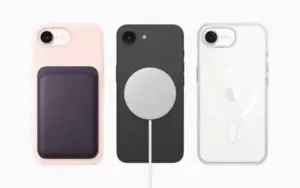
MagSafe support arrives on the “e” line for the first time, expanding compatibility with Apple’s magnetic accessories and chargers. Wireless charging speeds now reach up to 15 watts, offering a clear improvement over the slower Qi charging used in the previous generation. The addition of MagSafe may help extend the device’s lifespan by enabling a broader ecosystem of accessories. Apple appears to be aligning the 17e more closely with its mainstream models while maintaining a lower entry price.
Additional Announcements and Industry Context
Alongside the iPhone 17e, Apple introduced a redesigned iPad Air powered by the M4 chip. The 11‑inch version starts at $599, while the 13‑inch model begins at $799, continuing Apple’s strategy of offering multiple performance tiers within the tablet lineup. These updates arrive as the company navigates shifting market dynamics, including increased competition in both mobile and tablet categories. Apple’s broader hardware refresh suggests a coordinated effort to reinforce its ecosystem across price segments.
A separate report from The Information noted that Google has explored hosting servers in its data centers to support an upcoming version of Siri powered by Gemini. This collaboration would need to meet Apple’s privacy requirements, indicating ongoing industry interest in cross‑company infrastructure partnerships. Such arrangements highlight the growing complexity of AI‑driven services and the infrastructure needed to support them. The report underscores how major technology firms are adapting to rising computational demands.
Apple’s decision to double base storage at the same price mirrors a pattern seen in earlier iPhone generations, where storage upgrades often signaled shifts in component economics or competitive positioning. Historically, Apple has adjusted storage tiers during periods of rising app sizes and increased media consumption, making the 17e’s change consistent with broader usage trends. The introduction of MagSafe to the entry‑level model also reflects Apple’s gradual unification of accessory standards across its lineup. These developments suggest that Apple is refining its lower‑priced devices to better align with long‑term ecosystem strategies.