
Call to restrict social media access for under‑16s
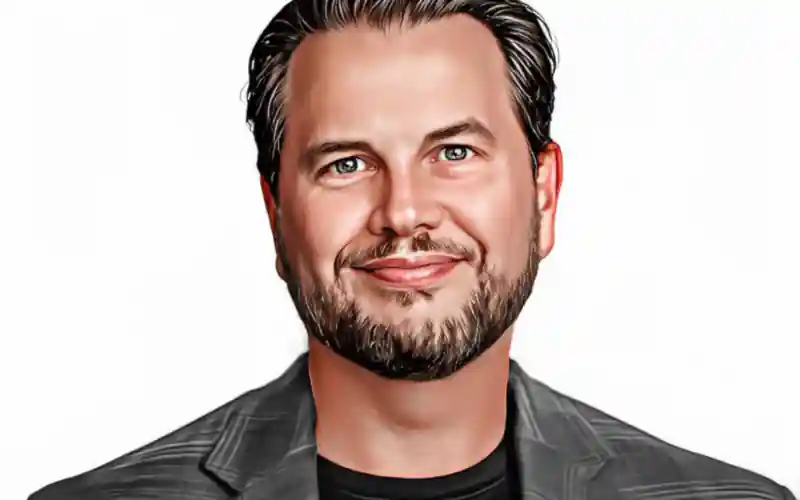
- Pinterest CEO Bill Ready has urged world leaders to ban social media use for people under 16.
- His statement comes as major tech companies face scrutiny over youth mental health impacts.
- The proposal highlights growing debate around how platforms should handle younger users.
Pinterest chief executive Bill Ready has publicly called for a global ban on social media access for anyone under the age of 16, arguing that governments should establish a clear and enforceable standard. He shared his position in a LinkedIn post published on Friday, coinciding with an ongoing trial in Los Angeles examining the role of social platforms in youth mental health. Google and Meta are defendants in the case, which alleges that their apps contribute to rising mental health challenges among young people. A jury is currently deliberating on the outcome, adding further attention to the broader conversation around online safety.
Ready wrote that meaningful change requires accountability not only from app developers but also from mobile operating system providers. He argued that both groups should be responsible for enforcing age‑based restrictions and ensuring that underage users cannot access social media platforms. His stance diverges from that of leaders at larger tech companies, many of whom have resisted strict age‑based bans in favor of parental controls or incremental safety features. Pinterest declined to comment on Ready’s post, leaving the statement to stand on its own.
A call aligned with emerging global policies
In his message, Ready pointed to Australia’s recent decision to restrict social media access for users under 16 as an example of the type of policy he believes should be adopted more widely. That move has sparked international discussion about whether similar regulations should be implemented elsewhere. Several governments have already begun exploring age‑verification requirements, though approaches vary significantly across regions. Ready’s endorsement of a firm age threshold adds momentum to a trend that has been building for several years.
The proposal also reflects increasing pressure on tech companies from lawmakers, regulators and courts. Many officials argue that existing safeguards are insufficient to protect children and teens from harmful content or addictive design features. Some platforms have introduced new tools aimed at limiting screen time or filtering content, but critics say these measures rely too heavily on voluntary compliance. The debate continues to intensify as more research links heavy social media use to mental health concerns among younger users.
Pinterest’s position in the youth landscape
Pinterest itself requires users in the United States to be at least 13 years old, a standard shared by many major platforms. The company has spent recent years trying to strengthen its appeal among Generation Z, a demographic that includes people born between 1997 and 2012. According to data from research firm Apptopia, roughly one‑third of Pinterest’s user base falls between the ages of 17 and 25. This makes the platform’s relationship with younger audiences strategically important, even as its CEO advocates for stricter access rules.
The company has positioned itself as a more curated and less socially competitive environment compared to other platforms. Its focus on visual discovery and personal inspiration has helped it avoid some of the controversies that have affected larger social networks. Nonetheless, Ready’s call for a ban suggests that Pinterest is willing to take a more assertive stance on youth safety than many of its peers. His comments may also reflect a broader industry shift toward acknowledging the long‑term risks associated with unregulated youth engagement.
Growing scrutiny of youth social media use
The trial in Los Angeles underscores the legal and societal pressures facing major tech companies. Plaintiffs argue that design choices made by platforms such as Instagram and YouTube contribute to anxiety, depression and other mental health issues among teens. Companies have defended their products by pointing to parental controls, content moderation systems and educational resources. The outcome of the case could influence future regulatory efforts and shape how platforms approach youth safety.
Ready’s statement arrives at a moment when public sentiment is increasingly skeptical of social media’s impact on young people. Policymakers are weighing proposals ranging from age‑verification mandates to outright bans for minors. Researchers continue to debate the extent to which social media directly affects mental health, but many agree that younger users are more vulnerable to certain risks. The conversation is likely to evolve as more data becomes available and as governments consider stronger interventions.
Australia’s move to restrict social media access for under‑16s is part of a broader global trend toward age‑based digital regulation. Several European countries are exploring similar measures, and the United Kingdom has already implemented strict online safety rules that require platforms to tailor features for younger users. These developments suggest that age‑based restrictions may become more common as governments attempt to balance digital access with child protection.