

Alphabet Buys Intersect to Secure AI Power Needs
- Alphabet has agreed to acquire energy‑infrastructure startup Intersect for $4.75 billion as it seeks reliable electricity sources for its expanding AI operations.
- The deal reflects growing pressure on tech companies to secure power for increasingly energy‑intensive data centers.
- Rising community concerns and escalating energy demands have made long‑term planning a priority for major AI developers.
A Strategic Move to Support AI Expansion
Alphabet announced plans to purchase Intersect in full, building on an earlier investment made in the company last year. The San Francisco‑based startup had previously raised $2.1 billion from Google and other early backers, positioning itself as a specialist in energy solutions for large‑scale computing infrastructure. Alphabet intends to let Intersect operate independently once the acquisition closes in the first half of next year. The company sees the deal as essential to securing the electricity required for the data centers powering Google’s AI services and those of competitors such as OpenAI.
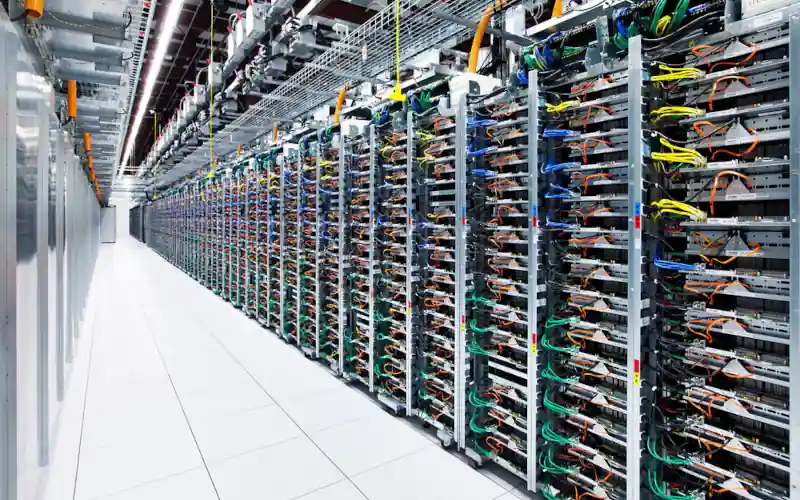
Growing demand for AI has dramatically increased the energy needs of hyperscale data centers. These facilities are often compared to “AI factories” due to their massive power consumption. Communities near new or expanding data centers have expressed concern about rising electricity bills, which some residents believe are linked to the industry’s rapid growth. Alphabet’s acquisition signals an effort to address these challenges by investing directly in energy supply solutions.
Intersect’s work focuses on expanding and diversifying energy sources to help stabilize long‑term power costs. The company is already developing a data center project for Alphabet in Haskell County, Texas. Its expertise in energy procurement and infrastructure planning aligns with Alphabet’s need for predictable, scalable power. The acquisition is expected to strengthen Alphabet’s ability to manage the operational demands of AI workloads.
Alphabet’s broader AI strategy has contributed significantly to its financial performance. The company’s stock has risen more than 60% this year, adding roughly $1.4 trillion in shareholder value. This momentum underscores the importance of ensuring reliable energy access for future AI development. The Intersect deal is one of several steps Alphabet is taking to support that growth.
Energy Demands Drive New Industry Priorities
The rapid expansion of AI has reshaped how technology companies approach infrastructure planning. Data centers now require unprecedented amounts of electricity to support training and running large‑scale models. These demands have intensified competition for energy resources, prompting companies to explore new partnerships and acquisitions. Alphabet’s move reflects a broader trend of tech firms investing directly in energy‑related capabilities.
Communities hosting data centers have raised concerns about the impact on local power grids. Some residents have interpreted rising utility costs as evidence that they are indirectly subsidizing the AI boom. These tensions highlight the need for transparent planning and sustainable energy strategies. Companies like Alphabet are increasingly expected to demonstrate how they will manage long‑term energy consumption responsibly.
Intersect’s approach centers on increasing the availability and diversity of energy sources. Its work includes exploring renewable options, improving grid resilience and identifying cost‑efficient supply pathways. These efforts aim to reduce volatility in energy markets that could affect data center operations. Alphabet’s acquisition suggests confidence in Intersect’s ability to support these goals.
The deal also reflects the growing importance of energy independence for AI‑driven companies. Securing reliable power has become as critical as developing new algorithms or hardware. As AI adoption accelerates, energy infrastructure is emerging as a key competitive factor. Alphabet’s investment positions it to navigate these challenges more effectively.
Long‑Term Implications for AI Infrastructure
Alphabet plans to maintain Intersect as an independent entity after the acquisition closes. This structure allows the startup to continue developing energy solutions while benefiting from Alphabet’s scale and resources. The arrangement mirrors other Alphabet acquisitions where operational autonomy is preserved to encourage innovation. Intersect’s work is expected to play a central role in supporting future data center expansion.
The company’s ongoing project in Haskell County, Texas, illustrates the scale of upcoming infrastructure needs. Large AI data centers require not only vast amounts of electricity but also long‑term planning to ensure stability. Intersect’s expertise in energy diversification may help Alphabet mitigate risks associated with fluctuating power markets. These capabilities are increasingly important as AI workloads grow more complex.
Alphabet’s investment also reflects broader industry concerns about sustainability. AI development has raised questions about environmental impact, energy efficiency and long‑term resource availability. Companies are under pressure to demonstrate responsible growth strategies. Intersect’s focus on cost‑effective and diversified energy supply aligns with these expectations.
The acquisition highlights how energy strategy is becoming intertwined with AI innovation. Reliable power is essential for training advanced models and operating large‑scale services. Alphabet’s move suggests that securing energy infrastructure is now a core component of AI competitiveness. The company’s continued investment in this area indicates that energy planning will remain a priority for years to come.
Data center energy consumption has become a major topic in global infrastructure planning. Some analysts estimate that AI‑related electricity demand could double within a few years, potentially rivaling the energy usage of entire countries. This trend has prompted governments and utilities to reassess grid capacity and long‑term sustainability. Alphabet’s acquisition of Intersect reflects a growing recognition that energy strategy is now inseparable from technological advancement.