
Analog Communication Makes a Comeback
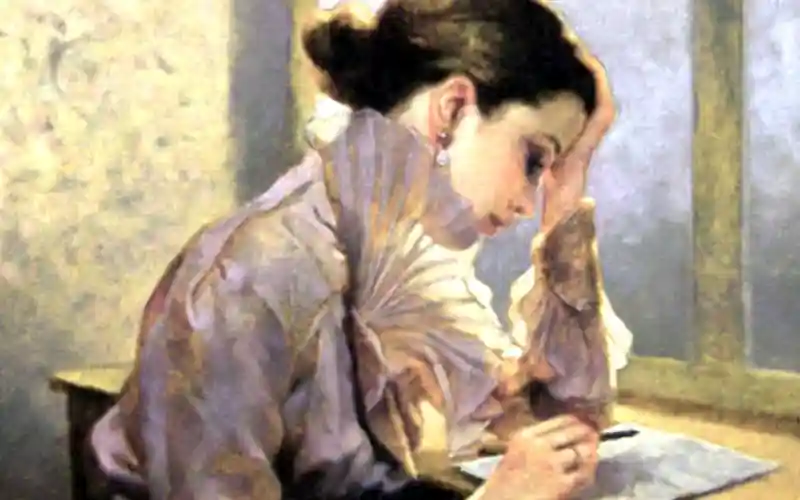
Lydia Timoshenko: Tatyana's letter (Татьяна пишет письмо)
- A growing number of people are rediscovering letter writing and other analog hobbies as a way to disconnect from screens and build more meaningful connections.
- These activities offer a slower, more intentional form of communication that contrasts with the pace of digital life.
- Communities built around pen pals, typewriters and handmade mail are expanding across generations and countries.
A Return to Slower, More Intentional Habits
Letter writing is experiencing a revival as many people look for ways to step back from constant digital engagement. Modern life often blurs the boundaries between work and personal time, making it difficult to disconnect from screens. Tactile activities such as handwritten letters, typewriter meetups and calligraphy communities on TikTok offer an alternative rhythm. These pursuits give participants a chance to reduce technology use, focus their attention and form deeper connections with others.
Enthusiasts describe the practice as both grounding and personal. Melissa Bobbitt, a longtime letter writer from California, says corresponding with pen pals feels similar to talking with close friends in person. She views the act of reading and responding to a single person as a reflective experience. Many participants say the process resembles a form of informal therapy, offering space to express thoughts without distraction.
Ink, paper and traditional tools continue to bring people together across long distances. Writers often describe the anticipation of receiving mail as part of the appeal. Communities built around these hobbies share tips, exchange stories and encourage newcomers. Their experiences highlight how analog communication can still thrive in a digital world.
Connection Through Nostalgia and Community
Hands‑on hobbies like letter writing and scrapbooking require time and attention, which can be difficult to carve out in a culture of constant availability. The process of sealing envelopes, arranging pages or choosing materials creates a moment of calm. Stephania Kontopanos, a student in Chicago, says it can be challenging to step away from her phone when so much of her life is online. She consciously unplugs by sending postcards, keeping journals and visiting the post office with her mother.
These small rituals help her connect with people she might not otherwise meet. Postal workers and other hobbyists become part of her routine, expanding her sense of community. Junk journaling, which repurposes everyday items like tickets and receipts, allows her to document memories in a creative way. The practice also offers a break from the fast pace of digital communication.
Nostalgia plays a significant role for others. KiKi Klassen from Ontario says letter writing helps her feel closer to her late mother, who worked in the postal service. She launched the Lucky Duck Mail Club in 2024, sending monthly art and messages to subscribers in dozens of countries. Klassen says the act of writing encourages vulnerability and reflection, often leading to heartfelt exchanges with recipients.
Bobbitt shares a similar sentiment, describing the excitement of finding a handwritten letter among bills and advertisements. She began exchanging mail as a child and later expanded her network through Postcrossing, a global postcard‑sharing project. Some of those brief exchanges grew into long‑term friendships. The sense of connection also inspired DJ Robert Owoyele to create CAYA, a monthly analog gathering in Dallas featuring letter writing, coloring and vinyl listening sessions.
Getting Started With Analog Hobbies
Although letter writing and related hobbies appear simple, many people struggle to make time for them. Busy schedules and digital habits can make slowing down feel like another task. Kontopanos says she had to rethink how she spent her time after realizing how much of it disappeared into her phone. Creating intentional space allowed her to rediscover activities she enjoyed enough to prioritize.
Analog hobbies vary widely in cost and complexity. Some require only paper and a pen, while others involve tools like typewriters or wax seals. Visiting spaces where enthusiasts gather can help newcomers explore different options. Typewriter clubs such as Type Pals, events like the Los Angeles Printers Fair and online groups including the Wax Seal Guild or The Calligraphy Hub offer accessible entry points.
These communities often share techniques, host meetups and encourage experimentation. Participants say the social aspect is as important as the craft itself. Many find that analog activities help them slow down, reflect and connect with others in ways digital platforms rarely replicate. Klassen notes that interest in vintage writing tools appears to be rising based on what she sees online.
She believes the trend may grow even stronger in the coming years. “The girls are going analog in 2026,” she said, suggesting that tactile creativity may soon become a broader cultural movement.
English summary
|