
Broadcasters push EU to rein in smart TV platforms
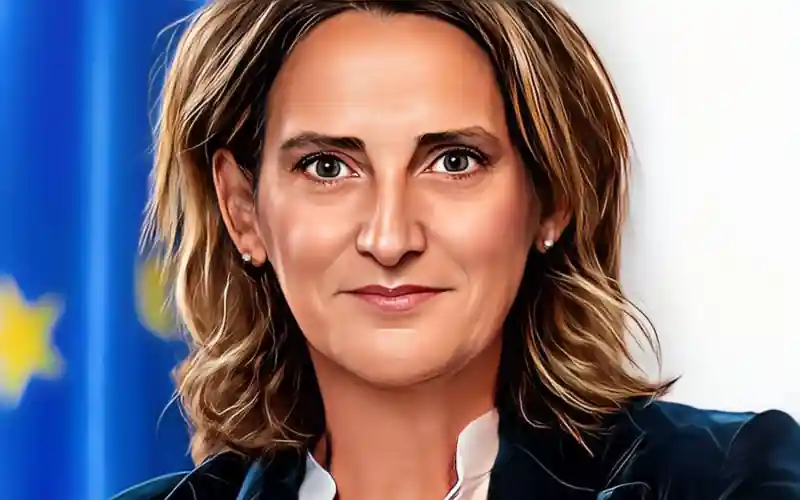
Teresa Ribera
- Broadcasters across Europe are urging the EU to apply stricter rules to major smart TV and virtual assistant platforms.
- They argue that systems from Google, Amazon, Apple and Samsung increasingly act as gatekeepers for media distribution.
- The request highlights growing tensions between traditional broadcasters and Big Tech over control of digital audiences.
European broadcasters have called on the European Commission to expand the scope of the Digital Markets Act (DMA) to include major smart TV operating systems and virtual assistants. Their request reflects concerns that platforms such as Android TV, Amazon Fire OS, Samsung’s Tizen OS and Apple’s ecosystem now hold significant influence over how users access media content. Market data from a 2025 study shows that Android TV grew from 16% to 23% market share between 2019 and 2024, while Amazon Fire OS rose from 5% to 12% in the same period. Samsung’s Tizen OS maintained a strong position with 24% market share, underscoring the dominance of a few large technology providers.
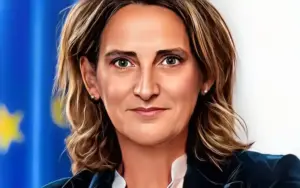
The Association of Commercial Television and Video on Demand Services in Europe (ACT) sent a letter to EU antitrust chief Teresa Ribera outlining these concerns. ACT represents major broadcasters including Canal+, RTL, Mediaset, ITV, Paramount+, NBCUniversal, Walt Disney, Warner Bros Discovery, Sky and TF1 Groupe. Their message emphasizes that a small number of tech companies increasingly control access to audiences and content distribution. This shift has intensified competition between broadcasters and Big Tech for visibility in a rapidly evolving media landscape.
The DMA, which has been in effect since 2023, aims to limit the power of dominant digital platforms and promote fair competition. It imposes obligations on companies designated as “gatekeepers,” a status determined by user numbers, market capitalization and other criteria. Broadcasters argue that smart TV operating systems meet the qualitative definition of gatekeepers even if they fall short of the quantitative thresholds. They believe that excluding these platforms leaves a regulatory gap that could disadvantage traditional media providers.
Concerns over platform control
In their letter, ACT warned that a limited number of operators now have the ability to shape outcomes for millions of users. They argue that smart TV platforms can influence which services gain prominence, how content is accessed and how easily users can switch between applications. Some broadcasters fear that Big Tech companies may restrict linking or redirection between media apps, either contractually or through technical design. Such restrictions could limit consumer choice and reduce the visibility of competing services.
The European Commission confirmed that it received the letter and is reviewing its contents. No immediate response was provided by Google, Amazon, Apple or Samsung when contacted for comment. Broadcasters also raised concerns about virtual assistants, which increasingly serve as intermediaries for media consumption. Amazon’s Alexa and Apple’s Siri dominate the market, while OpenAI entered the space last year with a beta feature called Tasks for ChatGPT.
Virtual assistants have not yet been designated as gatekeepers under the DMA. Broadcasters argue that this omission creates a regulatory void, allowing powerful AI‑driven systems to influence media access without oversight. They warn that these assistants could become de facto gatekeepers across mobile devices, smart speakers and in‑car infotainment systems. The letter urges the Commission to apply qualitative criteria to determine gatekeeper status even when quantitative benchmarks are not met.
A broader coalition joins the call
The letter was co‑signed by several major European industry groups. These include the Association of European Radios (AER), the European Broadcasting Union (EBU), the European association of television and radio sales houses (egta), Confindustria Radio Televisioni (CRTV), Televisión Comercial en Abierto (UTECA) and Verband Österreichischer Privatsender (VOP). Their participation signals a coordinated effort across radio, television and advertising sectors. The coalition argues that without stronger oversight, Big Tech’s growing control over distribution channels could undermine media plurality.
Broadcasters emphasize that the issue extends beyond competition and touches on cultural and democratic considerations. Media organizations rely on predictable and fair access to audiences to sustain diverse content offerings. They argue that gatekeeper platforms could prioritize their own services or commercial interests, potentially limiting exposure for independent or public‑interest media. This concern has become more prominent as smart TVs and voice‑controlled devices increasingly replace traditional broadcast channels.
The debate reflects a broader shift in how media is consumed across Europe. Smart TVs have become the primary interface for streaming services, while virtual assistants are emerging as key access points for audio content. These trends give platform operators significant influence over user behavior and content discovery. Broadcasters believe that regulatory intervention is necessary to maintain a balanced and competitive environment.
A recent study by the European Audiovisual Observatory found that more than 80% of European households now own at least one smart TV. This rapid adoption has accelerated the shift toward platform‑controlled content distribution, making the regulatory questions raised by broadcasters increasingly urgent.