
China Criticizes Dutch Control of Nexperia
- China has urged the Netherlands to reverse its intervention in chipmaker Nexperia, arguing that the move disrupts the global semiconductor supply chain.
- Dutch authorities took control of the company last year over concerns about technology transfers to China.
- Ongoing negotiations have not resolved the dispute, which continues to highlight geopolitical tensions in the chip industry.
Beijing Calls for Reversal of Dutch Intervention
China has called on the Netherlands to “correct its mistakes” regarding the government’s decision to take control of Nexperia, a Dutch subsidiary of Chinese firm Wingtech. The Dutch intervention, announced in September, was intended to prevent the transfer of technology and production capabilities to China. Beijing responded by blocking exports of Nexperia chips, many of which are packaged in China and used in automotive and consumer electronics. The Chinese commerce ministry argued that the Dutch actions threaten the stability of the global semiconductor supply chain.
The ministry urged the Netherlands to avoid unilateral measures and remove obstacles to restoring supply chain security. Dutch officials were not immediately available for comment following the latest statement. The dispute has unfolded against a backdrop of increasing scrutiny of Chinese investments in European technology firms. Governments across the EU have tightened oversight of strategic industries amid concerns about national security and supply chain resilience.
In November, the Dutch government temporarily suspended its intervention as a goodwill gesture while discussions with China continued. This pause did not resolve the underlying disagreements. Wingtech has since begun talks with court‑appointed custodians overseeing Nexperia. The company is seeking clarity on its future role in managing the Netherlands‑based chipmaker.
China described the Dutch position as “perplexing,” arguing that administrative interference has contributed to supply chain instability. The ministry said the Netherlands must take responsibility for the consequences of its actions. Beijing maintains that the intervention constitutes inappropriate involvement in the internal affairs of a private company. The dispute remains a point of tension between the two countries.
Dutch Government Defends Its Decision
Dutch Economic Affairs Minister Vincent Karremans has repeatedly defended the government’s decision to intervene in Nexperia. He stated in an interview with De Telegraaf that the move was necessary, even if not pleasant. His comments reflect ongoing concerns about safeguarding sensitive technologies. The Dutch government has emphasized that its actions were motivated by national security considerations.
Karremans said he does not allow personal preferences to influence decisions involving strategic industries. The intervention was framed as a protective measure to prevent the relocation of critical semiconductor capabilities. Dutch authorities have increasingly focused on maintaining control over key technology assets. Their stance aligns with broader European efforts to reduce dependency on external suppliers.
The government’s temporary suspension of its intervention was intended to support ongoing diplomatic discussions. However, officials have not indicated whether a full reversal is being considered. The situation remains fluid as negotiations continue. Both sides appear committed to defending their respective positions.
Nexperia’s future ownership structure remains uncertain. Court‑appointed custodians are currently overseeing the company’s operations. Wingtech is seeking to regain influence over the subsidiary. The outcome of these talks may shape the next phase of the dispute.
Implications for the Global Semiconductor Supply Chain
The dispute between China and the Netherlands highlights the growing geopolitical pressures surrounding semiconductor production. Governments are increasingly intervening in chip‑related transactions to protect domestic industries. These actions can disrupt established supply chains, particularly when companies operate across multiple countries. Nexperia’s chips are widely used in automotive and consumer electronics, making the situation especially significant.
China argues that the Dutch intervention has contributed to a broader supply chain crisis. The country’s decision to block exports of Nexperia chips underscores the potential for retaliatory measures. Such actions can create ripple effects across global manufacturing. Companies dependent on Nexperia components may face delays or shortages.
The Netherlands maintains that its actions were justified by security concerns. European governments have become more cautious about foreign ownership of critical technology firms. This trend reflects a shift toward greater oversight of strategic industries. The Nexperia case illustrates how these policies can lead to international disputes.
Ongoing negotiations will determine whether the situation stabilizes. Both countries have expressed interest in maintaining dialogue. The semiconductor industry continues to face challenges related to supply chain resilience, geopolitical tensions and technological competition. The outcome of this dispute may influence future policy decisions in Europe and beyond.
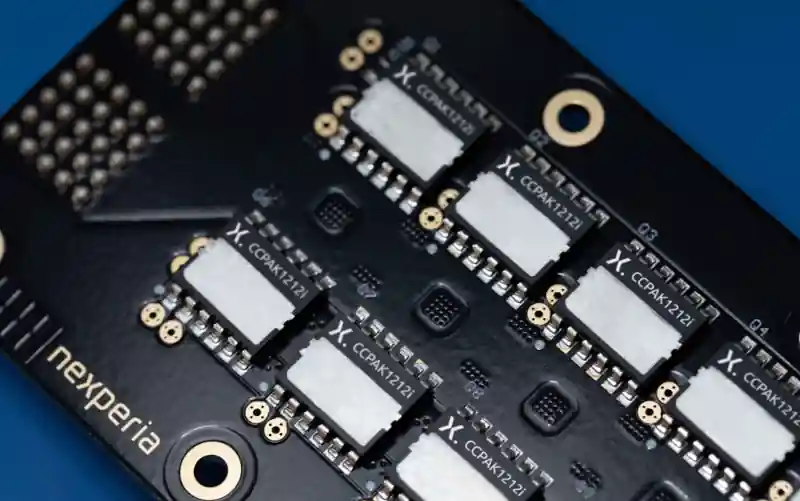
Nexperia, originally part of NXP Semiconductors before being sold in 2017, is a major supplier of basic chips known as discrete and analog components. These components are essential for automotive electronics, power management and everyday consumer devices. While they are not cutting‑edge processors, disruptions in their supply can significantly impact manufacturing timelines. This makes Nexperia’s role in the global chip ecosystem more influential than its low‑profile product lineup might suggest.