

Chipmakers Surge Amid Global Memory Shortage
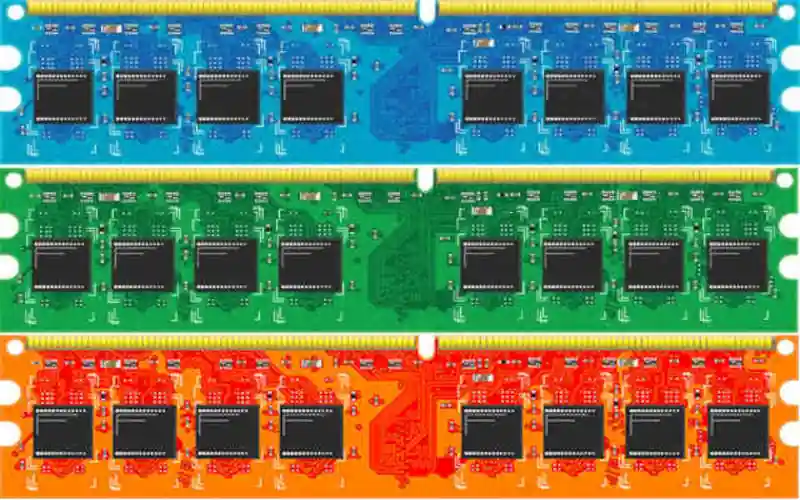
- Shares of major memory chipmakers climbed as investors reacted to a tightening global supply driven by accelerating demand for AI infrastructure.
- Companies across the sector signaled that shortages may persist as production shifts toward high‑bandwidth memory for AI servers.
- Analysts now believe the industry’s current upswing could extend for several years.
AI Demand Drives Supply Constraints and Market Gains
Memory chipmakers saw their stocks rise on Monday as investors bet on continued price increases fueled by a global supply crunch. Samsung co‑CEO TM Roh described the shortage as “unprecedented,” noting that demand from AI infrastructure projects is consuming available capacity. Other industry leaders have issued similar warnings, suggesting that constraints could last months or even years. These conditions have intensified investor interest in companies positioned to benefit from rising prices.
Manufacturers have increasingly diverted production toward high‑bandwidth memory (HBM) used in AI servers. This shift has reduced supply for other segments, including flash memory for smartphones and USB drives. TrendForce reported that prices in some categories have more than doubled since February of last year. Traders have responded by increasing bets that the rally still has room to grow.
Micron shares rose about 2% in early trading, while SK Hynix and Samsung gained nearly 3% and 7.5% respectively. Smaller companies such as Western Digital, Applied Digital and Seagate Technology also saw increases of more than 3%. SanDisk posted a more modest rise of around 1.5%. These movements reflect broad optimism across the memory sector.
Micron CEO Sanjay Mehrotra recently said he expects tight market conditions to continue beyond 2026. His company’s stock surged 240% in 2025, far outpacing the benchmark chip index’s 42% gain. Samsung’s shares more than doubled last year, and SK Hynix nearly quadrupled. Investor enthusiasm has been fueled by expectations that AI‑related demand will remain strong.
Industry Cycles and the Emerging ‘Supercycle’
The memory industry is known for its extreme cycles, with sharp downturns followed by rapid recoveries. Pricing often fluctuates significantly as supply and demand shift. The current upswing has been unusually strong, driven by the rapid expansion of AI data centers. Analysts believe this cycle may differ from past patterns due to structural changes in global technology demand.
Morningstar and J.P. Morgan analysts estimate that the ongoing upturn—often referred to as a “supercycle”—could extend well into 2027. Their assessments point to sustained demand for HBM and other advanced memory products. AI workloads require far more memory bandwidth than traditional computing tasks, creating long‑term pressure on supply. This dynamic has reshaped production priorities across the industry.
Companies are now allocating more resources to meet AI‑related needs. This reallocation has reduced availability for consumer electronics and other markets. The resulting shortages have contributed to rising prices across multiple product categories. Investors have responded by increasing exposure to memory manufacturers.
The long‑term outlook remains uncertain, however. Cyclical industries can shift quickly if supply catches up or demand slows. Analysts caution that geopolitical factors, trade policies and macroeconomic conditions could influence the trajectory of the supercycle. For now, the market appears to be pricing in continued strength.
Shifting Production Priorities Reshape the Market
High‑bandwidth memory has become a central focus for chipmakers as AI adoption accelerates. Companies are prioritizing HBM production because it commands higher margins and is essential for training and running large AI models. This shift has created bottlenecks in other memory categories. The imbalance has contributed to the sharp price increases seen over the past year.
Samsung and SK Hynix, the two largest HBM suppliers, have benefited significantly from this trend. Their stock performance reflects investor confidence in their ability to meet rising demand. Micron has also expanded its HBM offerings, positioning itself as a key competitor. Smaller firms have gained momentum as well, riding the broader wave of market enthusiasm.
The supply crunch has highlighted the strategic importance of memory in the AI era. Data centers require vast amounts of high‑performance memory to support advanced workloads. As companies race to build AI infrastructure, demand for HBM continues to outpace supply. This imbalance is expected to persist in the near term.
Investors are watching closely for signs of capacity expansion. Chipmakers are investing heavily in new facilities and advanced manufacturing processes. These efforts may eventually ease supply constraints, but most analysts expect shortages to continue for several years. The industry’s trajectory will depend on how quickly production can scale.
HBM production is far more complex than traditional memory manufacturing, requiring advanced stacking techniques and precise thermal management. These challenges limit how quickly companies can increase output, even with significant investment. As a result, HBM shortages may persist longer than shortages in other semiconductor categories. This bottleneck has become one of the most significant constraints on global AI infrastructure growth.