
Dangerous TikTok Trend Raises Concerns
- A harmful TikTok trend called “Szon Patrol” has spread among teenagers, sparking serious concerns.
- The practice involves boys filming girls without consent and posting videos with degrading comments.
- Experts warn of psychological damage and emphasize the importance of parental and school involvement in addressing online harassment.
Origins and Social Impact
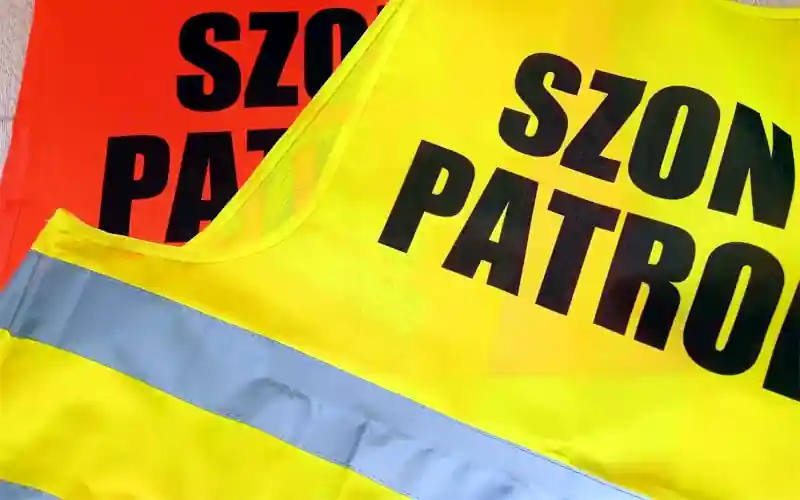
The “Szon Patrol” trend originated in Poland and quickly gained traction among young users. Its name combines “patrol” with “szon,” a derogatory slang term, deliberately shortened to bypass social media filters. Teenagers wearing yellow vests record girls they deem provocatively dressed in public spaces, then share the clips online without permission. Polish media stress that these are not organized groups but adolescent circles using “moral policing” as justification for humiliation.
More than 12,000 such videos have already appeared across platforms. The trend has triggered public debate in Poland about misogyny, online harassment, and parental responsibility. It specifically targets girls, reinforcing harmful ideas that boys can “supervise” their behavior. Critics argue that this dynamic carries serious consequences for children’s rights and broader social equality.
Psychological and Educational Risks
Victims often report anxiety and fear when videos resurface repeatedly online. Public humiliation can lead to depression, isolation, and difficulties maintaining school attendance. Secretly taken photos and mocking comments are forms of cyberbullying that erode trust and self-esteem. Teachers and parents are urged to recognize signs of distress and engage in open conversations about online abuse.
Schools face similar challenges, as students sometimes share uncomfortable images of classmates in group chats. These posts are accompanied by derogatory remarks, amplifying the impact of harassment. Experts highlight that children must know they can turn to adults for support when targeted. Regular discussions about what constitutes online bullying and how to respond are considered essential.
Responsibilities and Legal Framework
The spread of harmful trends underscores the shared responsibility of families, educators, and authorities. Parents are advised to monitor online activity and maintain open dialogue with children about risks. Teachers play a crucial role in identifying victims and fostering awareness among students. Authorities and professional organizations must focus on prevention and public education.
The European Union’s Digital Services Act (DSA) requires major platforms to remove illegal content and strengthen protections for minors. This regulation obliges social media providers and video-sharing sites to act against harmful material. Children must understand that their dignity and safety cannot be overridden by online trends. Experts stress that victims are never at fault when subjected to harassment or humiliation.
Similar cases of online “moral policing” have appeared in other countries, though often less organized. Research from the EU Kids Online project shows that one in three European children has experienced some form of online bullying. The “Szon Patrol” phenomenon illustrates how local trends can quickly escalate into widespread issues, highlighting the need for coordinated responses across borders. Analysts warn that without proactive measures, such practices may normalize harassment and deepen gender-based discrimination among young people.