
Diablo 2 Tests New Era With Warlock Class
- Blizzard’s unexpected release of the warlock class for Diablo 2: Resurrected marks the first new character addition in 25 years.
- The studio views the launch as a trial that could shape the future direction of the classic game.
- Community reception will determine whether Diablo 2 continues evolving or remains preserved in its traditional form.
A New Class Signals Possible Change
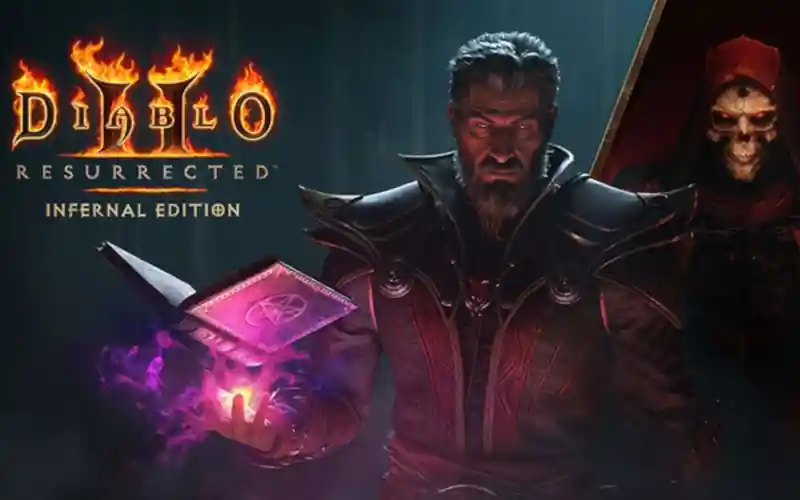
Blizzard surprised players by releasing the warlock as part of the paid Reign of the Warlock expansion during Diablo’s 30th anniversary celebration. The addition represents the first new playable class since the game’s original 2000 launch, making it a significant moment for the franchise. Developers describe the release as a way to gauge community interest in further updates. Positive feedback could open the door to more experimental content in the future.
Lead designer Timothy Vasconcellos emphasized that the team must respect the legacy of the original game. He explained that Blizzard wants to ensure any additions feel authentic to Diablo 2’s 1999 design principles. The studio sees this as a delicate balance between preservation and innovation. Failure to maintain that balance, he noted, could undermine what players value most about the classic experience.
Lead producer Matthew Cederquist highlighted the scale of the existing player base. He said millions still play Diablo 2, making the anniversary an opportunity to deliver something unexpected. The team believes few anticipated a new class or additional features for such an established title. Whether this marks the beginning of a new development era will depend on how players respond.
Designing a Class That Fits a Classic
Introducing a new class to a long‑established game created understandable tension within the development team. Blizzard aimed to ensure the warlock felt like it belonged in Diablo 2 rather than appearing as a modern transplant. The studio invested considerable effort into matching the visual style, mechanics and thematic tone of the original release. Early impressions suggest the class blends naturally into the game’s world.
Cederquist compared the process to preserving a work of art. He said the team did not want to “mess up the Mona Lisa” by adding elements that felt out of place. The goal was to honor the original design while exploring new possibilities. Blizzard believes the warlock achieves this balance without compromising the game’s identity.
The warlock appears across multiple Diablo titles, but each version differs. A shared lore thread connects the class’s presence in Diablo 2, Diablo Immortal and Diablo 4, forming a narrative arc across the series. Diablo 2’s interpretation leans into the game’s more demanding mechanics, particularly through the demon‑taming skill tree. Players can command demons as pets or consume them for temporary power, creating a complex but rewarding playstyle.
Future Development Depends on Player Feedback
If the warlock is well received, Blizzard may explore additional updates for Diablo 2. Potential changes could include reworks of existing classes, though the studio stresses that such adjustments would not be introduced without community involvement. Cederquist said major alterations would require open collaboration rather than surprise announcements. The team wants to ensure players feel included in decisions that affect long‑standing systems.
The introduction of the warlock also marks a structural shift in how Diablo 2 is maintained. Blizzard now treats the game as two parallel experiences: the classic Diablo 2: Resurrected and the progressive Reign of the Warlock expansion. This separation allows the studio to preserve the original version while experimenting in a distinct development space. Players who prefer the untouched experience can continue using the classic branch without changes.
Cederquist explained that this split ensures long‑term stability for both versions. Resurrected will remain a time‑stamped edition that retains its traditional gameplay. Any future class updates or mechanical changes will occur exclusively within the expansion’s framework. This approach aims to protect the game’s heritage while enabling optional evolution.
Diablo 2’s arrival on Steam and Game Pass (excluding the expansion) significantly expands its reach. The game already maintains a large active player base, and these new platforms could introduce it to millions more. The timing of the warlock’s release suggests Blizzard is testing whether a classic title can sustain modern‑style live development without losing its identity.