
Digital Scans Reveal Hidden Pompeii Graffiti
- New imaging technology has uncovered dozens of previously invisible inscriptions on a corridor wall in Pompeii.
- Researchers identified nearly 80 new texts and sketches that had faded beyond human visibility over centuries.
- The findings highlight how modern digital tools continue to reshape archaeological understanding of the ancient city.
New Technology Uncovers Lost Inscriptions
Researchers working in Pompeii have revealed a series of hidden inscriptions ranging from love notes to sketches of gladiators. The discoveries were made using Reflectance Transformation Imaging, a computational photography method that captures surfaces under multiple lighting angles. This approach exposed faint scratches that had eroded over nearly two millennia and were no longer visible to the naked eye. Archaeologists were surprised to find new material on a corridor wall believed to have been thoroughly documented long ago.
The inscriptions were found in a long passageway linking Pompeii’s theatres to the busy Via Stabiana. This corridor was first excavated more than 230 years ago, yet its plaster still held hundreds of markings waiting to be rediscovered. Researchers identified around 300 inscriptions in total, including 79 that had never been recorded before. The project, known as “corridor whispers,” was developed by scholars from Sorbonne University and Quebec University in collaboration with Pompeii’s archaeological authorities.
Expanding the Digital Record of Pompeii
Project leaders described the technology as a tool that opens new perspectives on ancient daily life. Pompeii’s director, Gabriel Zuchtriegel, noted that the site already contains more than 10,000 known inscriptions, forming a vast cultural archive. The team is now building a 3D platform that will merge photogrammetry, RTI data and epigraphic metadata to enable detailed visualisation and annotation. Such a system aims to support future research by making the graffiti accessible in a structured digital environment.
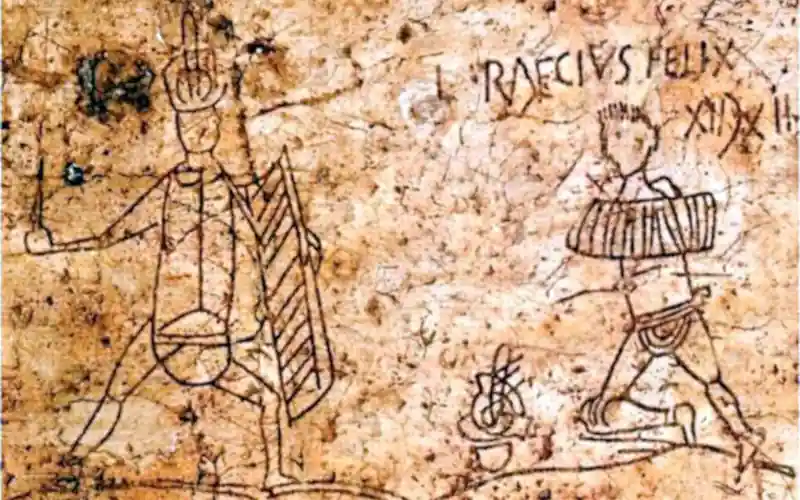
Some previously known inscriptions include a hurried farewell message to a lover and a plea for divine favour from a slave named Methe. Newly uncovered markings feature a faint drawing of two gladiators locked in combat, offering a glimpse into popular entertainment of the era. Another inscription begins with the words “Erato loves…,” suggesting a declaration of affection that was never completed. These fragments reflect the personal, emotional and sometimes mundane expressions of people who lived in the ancient city.
Reflectance Transformation Imaging has become an increasingly valuable tool in archaeology, particularly for studying worn inscriptions on stone, plaster and metal. The technique has been used in projects ranging from deciphering ancient tablets in Mesopotamia to analysing medieval manuscripts. Its ability to reveal surface details invisible under normal lighting has made it a preferred method for documenting fragile or eroded artefacts.