
Doomsday Clock Moves Closer to Midnight
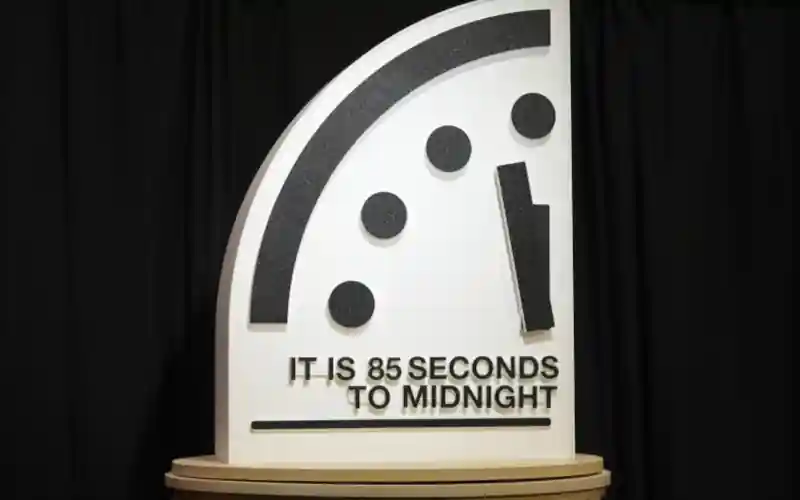
- The Doomsday Clock has been set to its closest point to midnight, reflecting rising global tensions and concerns over nuclear, technological and geopolitical risks.
- Scientists behind the symbolic measure highlighted a combination of military conflicts, weakened arms control and emerging AI threats.
- Their decision underscores a growing sense of instability across multiple regions and domains.
Clock Set to Record‑High Risk Level
The Bulletin of the Atomic Scientists moved the Doomsday Clock to 85 seconds before midnight, marking the closest setting since its creation in 1947. The adjustment reflects a combination of escalating geopolitical tensions and the erosion of long‑standing nuclear arms control frameworks. Researchers pointed to aggressive behavior by major nuclear powers, including Russia, China and the United States, as a central factor. They also cited ongoing conflicts in Ukraine and the Middle East as contributing to a heightened sense of global vulnerability.
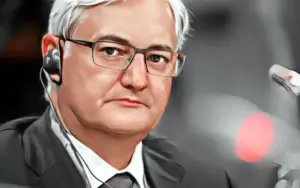
Scientists expressed alarm over the rapid and unregulated integration of artificial intelligence into military systems. They warned that AI could be misused to support biological threats or accelerate the spread of disinformation. Climate change was also highlighted as a persistent challenge that continues to intensify global risks. Alexandra Bell, the Bulletin’s president and CEO, said the situation reflects a broader failure of global leadership to address interconnected threats.
Nuclear Tensions and Fading Diplomacy
Nuclear risks were described as trending in the wrong direction throughout 2025. Diplomatic frameworks that once helped stabilize relations between nuclear‑armed states are now under strain or collapsing. The potential return of explosive nuclear testing has raised additional concerns, especially as proliferation pressures grow. Bell noted that several military operations in recent years have taken place under the shadow of nuclear weapons, increasing the risk of escalation.
Russia’s ongoing war in Ukraine, U.S. and Israeli strikes on Iran and border clashes between India and Pakistan were cited as key flashpoints. Tensions in Asia, including developments on the Korean Peninsula and China’s posture toward Taiwan, have further complicated the global security landscape. Rising friction in the Western Hemisphere has also contributed to instability. The expiration of the New START treaty on February 5 adds another layer of uncertainty, as the future of nuclear arms limits remains unresolved.
Domestic and Technological Factors
Domestic political actions in major countries have also influenced the scientists’ assessment. Bell pointed to pressures on science, academia, civil services and independent media as factors that weaken societal resilience. Nobel Peace Prize laureate Maria Ressa participated in the announcement and emphasized the dangers of technology that spreads misinformation faster than verified facts. She described the current environment as an “information Armageddon” shaped by social media and generative AI.
The Doomsday Clock was established in 1947 by scientists including Albert Einstein and J. Robert Oppenheimer to communicate global existential risks in a simple visual form. Its movement over the decades has often reflected shifts in nuclear policy, technological development and geopolitical stability. Interestingly, the clock has never been moved backward by more than a few minutes at a time, underscoring how difficult it is to reverse long‑term global risk trends once they accelerate.