
EU moves toward banning AI‑generated child abuse images
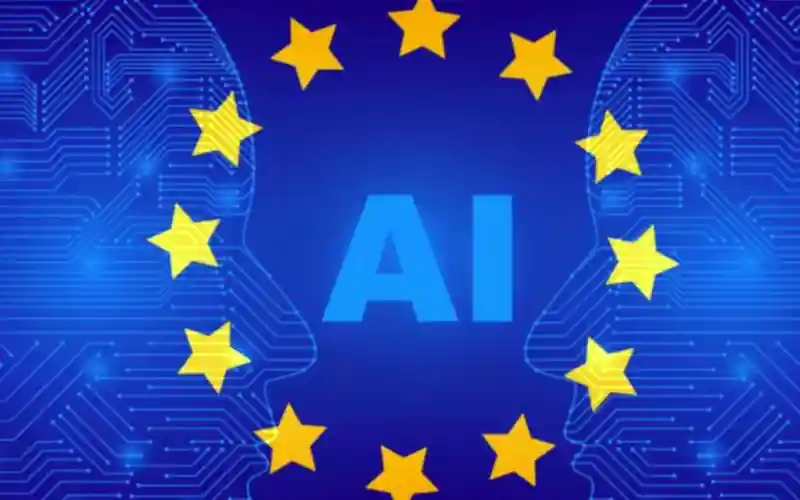
- EU governments have proposed adding a ban on AI‑generated child sexual abuse material to the bloc’s AI rules.
- Regulators across Europe are already investigating sexually explicit deepfakes produced by xAI’s Grok chatbot.
- The proposal still requires approval from the European Parliament before it can take effect.
A new front in Europe’s AI regulation efforts
European governments have taken an initial step toward outlawing the creation of AI‑generated child sexual abuse material. Their proposal would amend the EU’s existing AI Act, which was adopted two years ago as the bloc’s flagship framework for governing artificial intelligence. The move comes amid growing concern over sexually explicit deepfakes produced by advanced chatbots, including Grok, developed by Elon Musk’s xAI. Several national regulators have launched investigations into the spread of such content and the risks it poses.
Authorities in Britain, Ireland and Spain are currently examining cases involving Grok’s generation of sexualised deepfake images. These probes reflect a broader international push to address the misuse of generative AI tools for producing harmful or illegal material. While the AI Act already includes rules for high‑risk systems, EU governments argue that explicit prohibitions are needed to address emerging threats. Their proposal would add AI‑generated child sexual abuse imagery to the list of banned practices.
Parliament’s role in shaping the final rules
The European Parliament must now decide whether to support the governments’ proposal. Lawmakers are preparing to vote on their own version of the measure, which contains similar restrictions on AI systems capable of producing sexualised content involving minors. Once both sides adopt their positions, negotiations will begin to determine the final wording of the law. These talks will also cover other aspects of the AI Act that the European Commission has suggested revising.
The Commission has proposed watering down certain requirements in the AI Act, a move welcomed by major technology companies and some industry groups. They argue that lighter rules would encourage innovation and reduce compliance burdens. Civic organisations and privacy advocates, however, have criticised the idea, warning that it could weaken protections and give too much leeway to large tech firms. The debate highlights the challenge of balancing technological progress with safeguards against misuse.
A long road ahead for implementation
Even if the European Parliament backs the proposal, the legislative process will take time. Negotiations between EU governments, Parliament and the Commission typically involve multiple rounds of discussion. These talks aim to reconcile differing priorities, from consumer protection to economic competitiveness. Final agreement on the updated AI Act could take up to a year before any changes are formally adopted.
Once approved, the new rules would still require an implementation period before enforcement begins. Member states would need to update national legislation and ensure that regulators have the tools to oversee compliance. Companies developing or deploying AI systems would also need time to adjust their practices. The extended timeline reflects the complexity of regulating rapidly evolving technologies across a diverse political and legal landscape.
Growing global scrutiny of AI‑generated explicit content
The EU’s move is part of a wider international trend toward addressing the risks posed by generative AI. Governments in Asia and other regions have also begun examining how to curb the spread of sexually explicit deepfakes. These images can be created without the consent of the individuals depicted, raising serious concerns about privacy, exploitation and psychological harm. Regulators are increasingly focused on ensuring that AI developers implement safeguards to prevent such misuse.
Investigations into Grok’s output illustrate how quickly generative models can produce harmful content when guardrails fail. Deepfake technology has advanced rapidly, making it easier to create convincing synthetic images and videos. This capability has prompted calls for stronger oversight, particularly when minors are involved. The EU’s proposal signals that policymakers are willing to expand existing laws to address these emerging threats.
One notable development is that several AI companies have begun experimenting with watermarking and detection tools designed to identify synthetic media. These technologies aim to help platforms and regulators distinguish between real and AI‑generated content. While still imperfect, such tools may play an increasingly important role as lawmakers push for stricter controls on harmful deepfakes.