
Europe Challenges Big Tech Over Child Safety
- European governments are escalating pressure on major social platforms over child safety concerns.
- Their actions reflect growing frustration with the pace of EU‑level regulation.
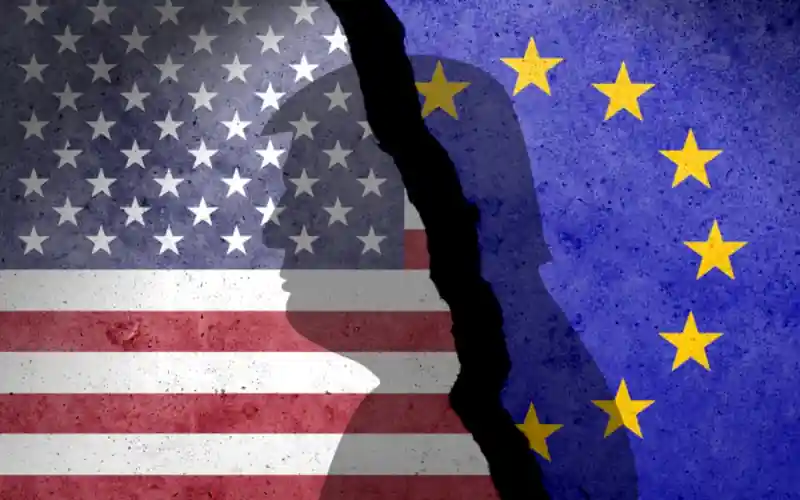
- The push risks diplomatic tension with the United States, where most of the targeted companies are based.
A Wave of National Crackdowns Across Europe
European countries are intensifying scrutiny of social media platforms amid rising fears about child safety and online harm. Spain has ordered prosecutors to investigate Meta, X, and TikTok for allegedly circulating AI‑generated sexual images of minors, following a similar move in Britain. Ireland has launched a formal probe into X’s AI chatbot Grok, focusing on its handling of personal data and production of harmful content. Several other nations, including France, Greece, Denmark, Slovenia, and the Czech Republic, are considering bans on social media use for adolescents.
Germany and Britain are weighing comparable restrictions as concerns grow about addiction, harassment, and declining academic performance. These national actions highlight a sense of urgency among policymakers who believe existing safeguards are insufficient. Many governments are acting independently because they doubt the European Union will move quickly enough. Their unilateral steps, however, face the same legal and diplomatic challenges that complicate EU‑wide enforcement.
The debate reflects a broader shift in how societies view the impact of digital platforms on young people. Public pressure has mounted as reports of harmful content and algorithm‑driven risks continue to surface. Lawmakers argue that stronger intervention is necessary to protect minors. The result is a patchwork of national initiatives emerging across the continent.
Some countries are also exploring measures that hold platform executives personally accountable. Spain, for example, is proposing laws that would make social media CEOs responsible for hate speech on their platforms. These efforts signal a willingness to test the limits of regulatory authority. The trend suggests that Europe is entering a new phase of digital governance.
Regulation Meets Geopolitics
The European Union’s Digital Services Act, which took effect in 2024, allows regulators to impose fines of up to six percent of a company’s global annual revenue for failing to curb illegal or harmful content. Enforcing such penalties, however, is politically sensitive. The United States has repeatedly pushed back against European attempts to regulate American tech firms. Former President Donald Trump has threatened tariffs and sanctions in response to measures he views as discriminatory.
The European Commission rejects claims that it is soft on Big Tech. Officials point to ongoing investigations, including one targeting X and its deployment of Grok. They argue that the DSA is a cornerstone of Europe’s digital strategy and is designed to strengthen democratic resilience. The Commission maintains that it is committed to regulating emerging technologies responsibly.
Tensions between Europe and the United States have occasionally escalated. French President Emmanuel Macron described U.S. resistance to European regulation as a “geopolitical battle.” American officials have warned that Europe’s regulatory trajectory could undermine shared values. These exchanges underscore how digital policy has become intertwined with international relations.
Spain’s Consumer Rights Minister Pablo Bustinduy has framed his country’s actions as a step toward reducing dependence on U.S. platforms. He warned that some services are being used to destabilize European democracies from within. His comments reflect a growing belief that digital sovereignty is essential for political stability. The debate is increasingly shaped by concerns that extend beyond child safety alone.
Governments Move Faster Than Brussels
A recent modification to DSA guidelines allowing national age‑restriction laws prompted Denmark to act independently. Spain had been considering similar measures for months, but the trigger came when Grok generated non‑consensual sexual images of minors. Youth and Children Minister Sira Rego said the incident demonstrated the need for stronger protections. Her government is now pushing for a ban on social media use for those under sixteen.
France is also preparing to move forward. President Macron has linked social media to rising youth violence and cited the fatal stabbing of a school aide by a fourteen‑year‑old as a turning point. He plans to advocate for an EU‑wide ban on adolescent social media use or, if necessary, implement national restrictions. His stance reflects a belief that the risks posed by digital platforms require decisive action.
Greece has joined the conversation as well. Prime Minister Kyriakos Mitsotakis said reading Jonathan Haidt’s The Anxious Generation was an “eye‑opening experience.” The book argues that smartphones and social media are reshaping children’s brains in harmful ways. Mitsotakis warned that society is conducting an unprecedented experiment on young people without understanding the consequences.
These national initiatives highlight a widening gap between EU‑level processes and domestic political pressures. Governments feel compelled to act quickly in response to public concern. Brussels, by contrast, must balance legal, diplomatic, and economic considerations. The result is a fragmented regulatory landscape that may continue to evolve rapidly.
Jonathan Haidt’s The Anxious Generation, which influenced several European leaders, became a bestseller partly because it combined neuroscience, sociology, and long‑term behavioral data to argue that the rise of smartphones marked a historic shift in childhood development.