Galaxy Watch aims to spot early signs of sleep apnea
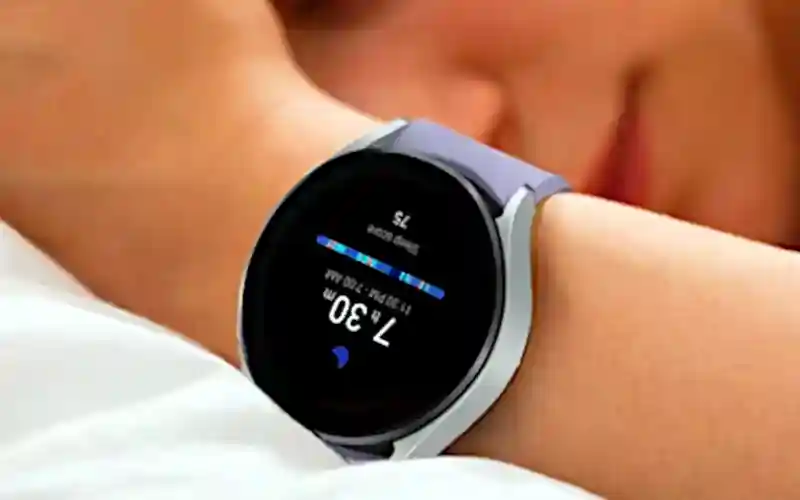
- A new analysis highlights how sleep apnea affects sleep quality.
- Samsung’s latest health features use the Galaxy Watch to help users track potential symptoms at home.
- The data may support earlier medical consultation and healthier sleep habits.
Understanding the growing focus on sleep health
Sleep apnea affects millions worldwide, yet most people living with the condition remain undiagnosed. Researchers note that breathing interruptions during sleep can reduce oxygen levels and fragment the sleep cycle, which may contribute to long‑term health risks such as hypertension or stroke. Traditional diagnosis often requires overnight sleep‑lab testing, which can be costly and inconvenient. This barrier has motivated interest in more accessible monitoring tools that can help identify early warning signs.
A recent international study conducted among Samsung Health users for World Sleep Day 2026 sheds light on how widespread sleep apnea indicators may be. The findings suggest that wearable devices could play a role in recognizing subtle patterns that might otherwise go unnoticed. Participants’ data revealed that 23 percent showed signs associated with elevated sleep apnea risk. Although these results do not replace clinical evaluation, they illustrate how consumer technology may complement traditional medical pathways.
How sleep apnea disrupts nightly rest
The study highlights several ways in which sleep apnea can influence sleep architecture. Dr. Vanessa Hill, a behavioral sleep researcher, explains that micro‑arousals following breathing interruptions can repeatedly break the continuity of sleep. These disturbances may prevent the brain from spending enough time in restorative stages such as REM and deep sleep. As a result, individuals may wake feeling tired even after spending sufficient hours in bed.
Participants whose Galaxy Watch data suggested moderate or severe apnea risk spent an average of four fewer minutes in REM sleep. This stage is essential for emotional processing, memory consolidation, and learning, so even small reductions can have noticeable effects on mood and cognitive performance. Deep sleep was also reduced by roughly eight minutes among those showing risk indicators. Because deep sleep supports physical recovery, immune function, and hormone regulation, its reduction may contribute to fatigue and slower recovery from daily exertion.
Night‑time awakenings were more frequent as well. Those with potential apnea symptoms tended to remain awake about four minutes longer during these interruptions. Such breaks can push the body into lighter sleep phases, reducing the overall restorative value of the night. Total sleep time was also shorter by an average of 12 minutes, which may seem minor but can accumulate into meaningful deficits over time.
Why early detection matters
Dr. Hill emphasizes that even modest reductions in sleep duration or quality can influence how rested a person feels the next day. She notes that many people underestimate the impact of fragmented sleep, assuming that time spent in bed equates to adequate rest. In reality, the structure and continuity of sleep are just as important as its length. When these elements are disrupted, daytime energy levels, concentration, and overall well‑being may decline.
Sleep apnea affects multiple dimensions of sleep simultaneously, including efficiency, depth, and consistency. These combined effects can influence long‑term health and daily functioning. Identifying early signs is therefore valuable, as it allows individuals to seek medical advice before symptoms worsen. Wearable devices cannot diagnose medical conditions, but they can provide data that helps users recognize when further evaluation may be beneficial.
How the Galaxy Watch contributes to sleep apnea awareness
Samsung’s Galaxy Watch includes a sleep apnea detection feature designed to help users monitor potential symptoms at home. Instead of relying solely on clinical sleep studies, users can track their sleep for two nights within a ten‑day period, provided each session includes at least four hours of rest. The Samsung Health Monitor app then analyzes the data for patterns associated with apnea risk. This feature first launched in South Korea, later received FDA De Novo authorization in the United States, and is now available in 78 countries.
The system uses the Galaxy Watch’s BioActive sensor to measure fluctuations in blood oxygen levels. These measurements help detect episodes where breathing stops (apnea) or becomes shallow (hypopnea). Based on these observations, the device estimates the Apnea–Hypopnea Index (AHI), a commonly used metric for assessing the severity of obstructive sleep apnea. While not a substitute for clinical testing, the feature offers a convenient way to gather preliminary information.
Users who notice concerning patterns can share their data with healthcare professionals, supporting more informed discussions. The watch also includes tools aimed at improving general sleep habits, such as Sleep Coaching and personalized bedtime routine suggestions. These features encourage consistent sleep schedules and provide insights into behaviors that may influence sleep quality.
Regaining control over nightly rest
Quality sleep is essential for maintaining energy, cognitive performance, and long‑term health. Samsung’s approach aims to give users more visibility into their sleep patterns and potential risk factors. By combining sensor‑based monitoring with habit‑building guidance, the Galaxy Watch offers a practical starting point for individuals seeking to improve their sleep. The company plans to continue refining its sleep apnea‑related features to provide more detailed insights in the future.
Sleep apnea research has expanded significantly in recent years, and several studies suggest that wearable devices may help identify trends that correlate with clinical findings. While these tools cannot replace professional diagnosis, they may encourage earlier awareness—an important factor given that many people with sleep apnea remain undiagnosed for years.