Global Chip Sales Hit Record High in November
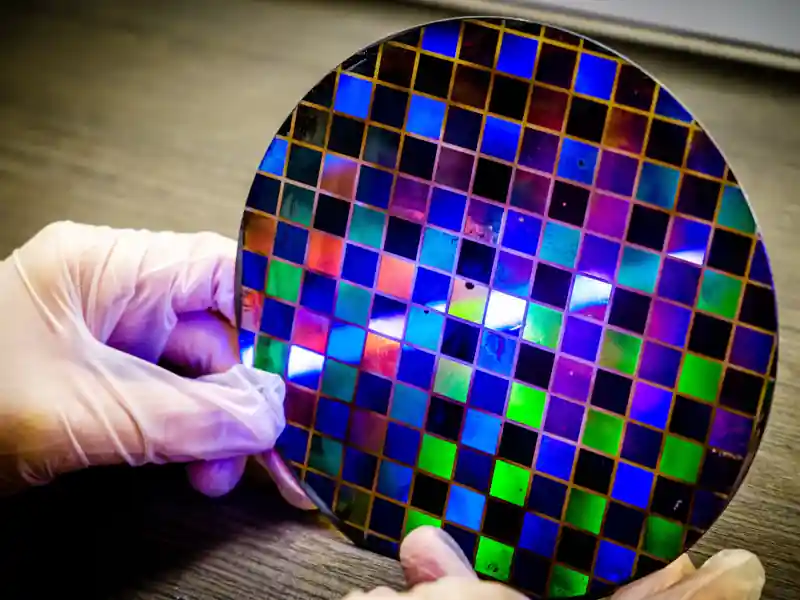
- Worldwide semiconductor sales reached an all‑time monthly record in November 2025, driven by strong demand across major product categories.
- The Semiconductor Industry Association reported nearly 30% year‑over‑year growth, signaling renewed momentum for the sector.
- Analysts expect the market to continue expanding into 2026, potentially approaching the trillion‑dollar mark.
Record Sales Reflect Broad Market Strength
Global semiconductor sales totaled $75.3 billion in November 2025, according to new data from the Semiconductor Industry Association (SIA). The figure represents a 29.8% increase compared with November 2024 and a 3.5% rise from October 2025. Monthly sales are based on a three‑month moving average compiled by the World Semiconductor Trade Statistics (WSTS) organization. SIA noted that it represents nearly all U.S. chipmakers and a significant share of international firms.
Demand increased across all major product categories on a month‑to‑month basis. SIA President and CEO John Neuffer said the industry’s performance marks its highest monthly total ever recorded. He added that the global chip market is on track for substantial growth in 2026. Projections suggest annual sales could approach $1 trillion if current trends continue.
The strong November results highlight the semiconductor sector’s recovery from earlier supply chain disruptions. Manufacturers have been scaling production to meet rising demand from AI, automotive, and consumer electronics markets. These segments continue to drive long‑term investment in advanced chip technologies. The industry’s momentum reflects broader digital transformation across multiple sectors.
Despite the positive outlook, regional performance varied. Some markets saw significant gains, while others experienced declines. These differences underscore the uneven pace of recovery worldwide. Analysts expect regional dynamics to remain a key factor in 2026.
Regional Growth Led by Asia Pacific and the Americas
Asia Pacific and “All Other” regions posted the strongest year‑over‑year growth at 66.1%, far outpacing other markets. The Americas followed with a 23.0% increase, while China and Europe recorded gains of 22.9% and 11.1%, respectively. Japan was the only region to see a decline, with sales falling 8.9% compared to the previous year. Month‑to‑month data showed similar patterns, with Japan again the only region to contract slightly.
Asia Pacific’s performance reflects its central role in global semiconductor manufacturing and assembly. China’s continued investment in domestic chip production also contributed to its strong results. The Americas benefited from rising demand for AI‑related hardware and ongoing expansion of advanced fabrication facilities. Europe’s growth, though more modest, aligns with its broader push to strengthen regional semiconductor capabilities.
Month‑to‑month increases were recorded across most regions. Asia Pacific rose 5.0%, China gained 3.9%, the Americas increased 3.0%, and Europe grew 1.2%. Japan’s slight 0.1% decline suggests lingering challenges in its domestic market. These shifts highlight how global demand continues to evolve across different geographies.
Regional performance will remain a key indicator for forecasting future market conditions. Countries investing heavily in semiconductor infrastructure may see continued gains. Others may face headwinds from economic uncertainty or slower technology adoption. The November data provides a snapshot of these ongoing trends.
Industry Outlook Points to Continued Expansion
SIA expects the semiconductor market to grow significantly in 2026. Rising demand for high‑performance computing, AI accelerators, and next‑generation connectivity technologies is driving long‑term investment. Companies across the supply chain are expanding capacity to meet these needs. The industry’s trajectory suggests strong momentum heading into the next year.
The WSTS organization continues to provide detailed forecasts for companies seeking deeper insights. Its subscription package offers comprehensive monthly data for tracking market shifts. SIA also publishes a databook containing historical information about the global semiconductor industry. These resources help analysts and businesses plan for future developments.
Manufacturers are preparing for increased competition as new fabrication plants come online. Governments worldwide are investing in semiconductor initiatives to strengthen supply chain resilience. These efforts may reshape global production patterns over the next decade. The November sales record underscores the importance of these investments.
The semiconductor industry remains a critical component of the global technology ecosystem. Its performance influences sectors ranging from consumer electronics to automotive and telecommunications. Continued growth will depend on innovation, capacity expansion, and stable supply chains. The latest data suggests the industry is well positioned for another strong year.
The semiconductor market last approached trillion‑dollar projections during the 2021–2022 chip shortage, but supply constraints and economic slowdowns halted that trajectory. Analysts now believe the rise of AI hardware and advanced manufacturing nodes could finally push the industry past that milestone. If achieved, it would mark one of the fastest revenue expansions in the history of modern technology.