
How to Give Old Batteries a Second Life
- Household batteries often end up forgotten in drawers or tossed in the trash, but improper disposal can cause fires and environmental harm.
- Recycling programs offer a safer and more responsible way to handle used batteries of all types.
- With a few simple steps, consumers can reduce risks and help recover valuable materials.
Why Battery Disposal Matters
Dead batteries may seem harmless, yet they can leak heavy metals such as cadmium and nickel once they reach landfills. These substances can contaminate soil and water, creating long‑term environmental risks. Some batteries can also overheat and ignite in garbage trucks or recycling facilities, posing dangers to workers and first responders. Recycling helps prevent these hazards while ensuring batteries reach an appropriate end of life.
Batteries are widely used in homes, powering everything from clocks to game controllers. Millions are purchased each year in the United States, according to the Environmental Protection Agency. Their environmental impact begins with the mining of materials like lithium, nickel and cobalt, which often involves energy‑intensive processes. Transportation and manufacturing add further emissions before the batteries even reach consumers.
How to Recycle Batteries Safely
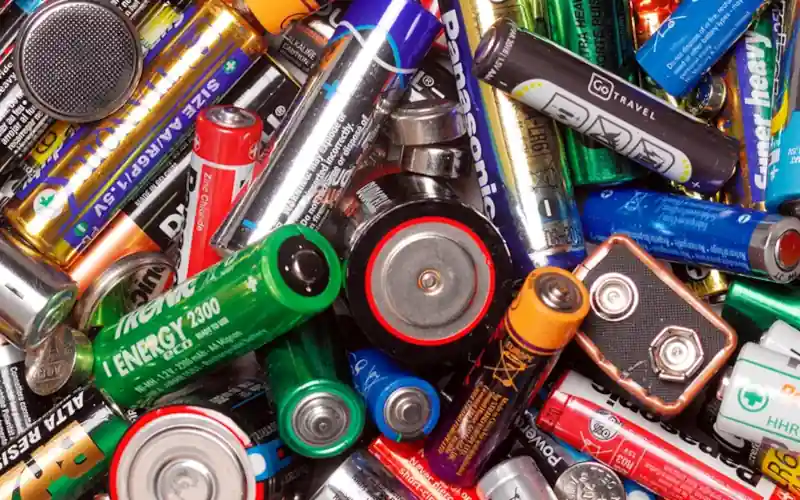
The first step in recycling is identifying the type of battery you have. Alkaline and zinc‑carbon batteries, commonly found in AA or AAA sizes, can usually be thrown away in household trash, though the EPA still recommends recycling them. Lithium‑ion batteries, used in power tools and cordless vacuums, pose fire risks and should never be discarded with regular waste. Local regulations vary, so checking disposal rules for your area is essential.
Once batteries are gathered, taping their terminals or placing them in plastic bags helps prevent accidental sparking. Drop‑off locations include hardware stores, office supply retailers and municipal collection programs. Nonprofits such as The Battery Network offer tools to find nearby recycling sites by ZIP code. Damaged or leaking batteries require special handling and should be turned in through local hazardous waste services.
What Happens After Drop‑Off
Recycling facilities sort batteries by type before breaking them down into core materials such as cobalt, nickel and aluminum. These recovered elements can be used to make new batteries or other products, reducing the need for additional mining. Nickel, for example, can be repurposed into stainless steel, while components from alkaline batteries may be used in items like sunscreen. Although recycling does not erase the environmental cost of manufacturing, it helps extend the usefulness of valuable resources.
Good disposal habits also reduce the risk of toxic compounds leaking into homes from old or damaged batteries. Public health experts note that recycling is one of the simplest ways individuals can reduce their environmental footprint. Even small actions add up when millions of batteries are involved. Establishing a designated collection spot at home can make the process easier over time.
Battery recycling technologies are evolving, with researchers exploring more efficient ways to recover materials from both household and electric‑vehicle batteries. Some companies are developing hydrometallurgical processes that use fewer chemicals and generate less waste. Policymakers are also considering extended producer responsibility programs that would require manufacturers to support recycling infrastructure. As battery use continues to grow, these innovations may play a key role in reducing environmental impact.