
Intel CEO’s Deals Raise Conflict Questions

- Intel CEO Tan’s investments create potential conflicts of interest
- Intel implements policies for Tan to recuse from conflicting decisions
- Tan’s connections seen as beneficial despite conflict concerns
Rivos and Meta Bidding War
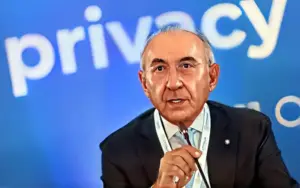
In 2025, Lip-Bu Tan (pictured) pitched Intel’s board on acquiring AI chip startup Rivos, where he also served as chairman. The board rejected the proposal, citing conflicts of interest and a lack of AI strategy. Later, Meta expressed interest in Rivos, prompting Intel to reconsider and enter a bidding contest. Meta ultimately secured the acquisition in September, with the competition driving the valuation from $2 billion to around $4 billion.
Tan’s venture firm Walden Catalyst celebrated the outcome, highlighting returns for its investors. Intel declined to comment on how much Tan profited personally, as financial details remain undisclosed. The episode illustrates how Tan’s overlapping roles can influence corporate negotiations. It also underscores the growing importance of AI startups in shaping chip industry strategies.
Venture Capitalist at the Helm
Intel appointed Tan in March 2025, valuing his extensive network and experience as a venture capitalist. His connections helped secure major investments, including $5 billion from Nvidia and $2 billion from SoftBank. To manage conflicts, Intel implemented policies requiring Tan to recuse himself from board or investment committee decisions where he had personal stakes. In such cases, authority passes to CFO David Zinsner, who reports directly to Tan.
Despite these safeguards, Intel Capital has invested in companies linked to Tan’s portfolio, such as proteanTecs and SambaNova. Some staff reportedly felt pressure to pursue deals aligned with Tan’s interests. Governance experts argue that while his connections can benefit Intel, they also raise red flags. The board has defended Tan, citing his ability to leverage relationships to revive the company after a $19 billion loss in 2024.
Ongoing Scrutiny and Industry Context
Tan’s investments span hundreds of companies, including Chinese firms with military ties, which previously drew criticism from U.S. officials. He later addressed concerns in meetings with President Trump, paving the way for government support, including an $8.9 billion strategic investment in Intel. Since Tan’s appointment, Intel’s share price has doubled, outpacing broader market gains. Analysts note his broad view of the ecosystem as a strength in navigating industry shifts.
Still, experts suggest measures such as blind trusts or special board committees could reduce conflicts. Intel’s code of conduct requires disclosure of potential conflicts, but exceptions exist for smaller transactions. The Securities and Exchange Commission will not require disclosure of related-party deals until spring 2026. This delay leaves investors uncertain about the full extent of Tan’s financial gains from Intel’s recent investments.
Corporate governance specialists highlight that Intel’s situation is unusual compared to peers like Nvidia, Microsoft, and Alphabet, whose CEOs do not simultaneously oversee venture capital arms. Tan’s dual role as Intel’s chief executive and active investor sets a precedent that could influence future debates on leadership structures in technology firms. The case illustrates the tension between leveraging industry expertise and maintaining transparency, a balance that will remain critical as Intel pursues its AI strategy.