

Intel Debuts Core Ultra Series 3 at CES 2026
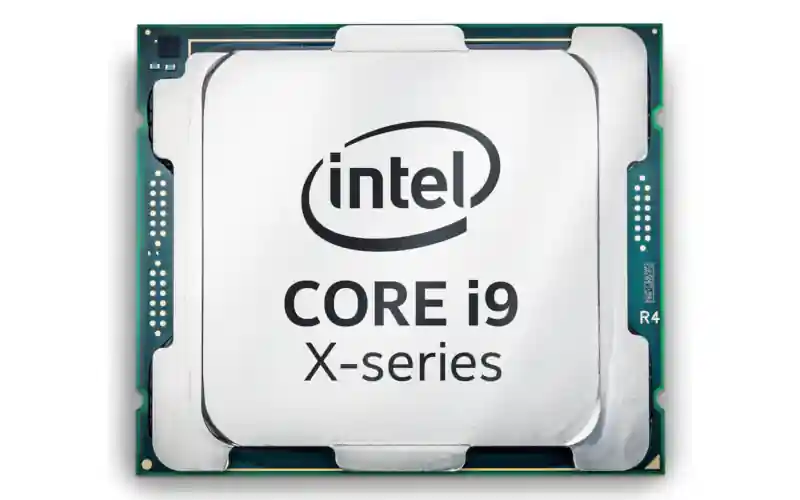
- Intel introduced its Core Ultra Series 3 processors at CES 2026, marking the first AI PC platform built on the company’s new Intel 18A process.
- The lineup targets both consumer laptops and industrial edge systems with expanded AI acceleration and improved efficiency.
- These processors are expected to become Intel’s most widely adopted AI PC platform to date.
Intel Launches First AI PC Platform on 18A Process
Intel unveiled the Core Ultra Series 3 processors in Las Vegas, highlighting their status as the first AI PC platform manufactured on the Intel 18A process in the United States. The company said the new chips will power more than 200 device designs from global partners, making them its most broadly deployed AI PC platform so far. Jim Johnson, head of Intel’s Client Computing Group, emphasized improvements in power efficiency, CPU performance and integrated GPU capabilities. He also noted that the platform maintains strong app compatibility through its x86 architecture.
A new class of Intel Core Ultra X9 and X7 processors leads the Series 3 lineup. These chips include Intel Arc integrated graphics aimed at users who handle demanding workloads such as gaming, content creation and mobile productivity. Top configurations offer up to 16 CPU cores, 12 Xe‑cores and 50 NPU TOPS. Intel says these specifications deliver up to 60% better multithreaded performance, 77% faster gaming and as much as 27 hours of battery life.
The Series 3 family also includes Intel Core processors designed for mainstream laptops. These models use the same underlying architecture as the Ultra variants but target lower price points. Intel aims to bring improved performance and efficiency to a wider range of systems. This approach reflects the company’s strategy to scale AI capabilities across its entire mobile portfolio.
Intel positioned Series 3 as a major step forward in its AI PC roadmap. The company expects strong adoption as manufacturers integrate the chips into new designs. Broader availability is planned throughout the first half of 2026. Pre‑orders for consumer laptops begin January 6.
AI Acceleration Extends to Robotics and Industrial Systems
Intel highlighted that Series 3 processors are certified for embedded and industrial use cases for the first time. These edge‑focused chips support extended temperature ranges, deterministic performance and 24/7 reliability. Their design targets sectors such as robotics, smart cities, automation and healthcare. Intel sees these markets as key areas for AI expansion.
Performance gains were a major focus of the announcement. Intel reported up to 1.9× higher large language model performance compared to previous generations. The company also cited up to 2.3× better performance per watt per dollar in video analytics workloads. Vision‑language‑action models saw up to 4.5× higher throughput.
Integrated AI acceleration is intended to reduce total cost of ownership for edge deployments. A single system‑on‑chip design replaces traditional multi‑chip CPU and GPU configurations. This consolidation simplifies system design and lowers power requirements. Intel believes this will make AI adoption more accessible for industrial customers.
Edge systems powered by Series 3 will begin shipping in the second quarter of 2026. Intel expects demand to grow as organizations modernize their infrastructure. The company plans to expand its edge portfolio further as AI workloads evolve. Series 3 marks the beginning of a broader push into industrial AI computing.
Broad Availability and Market Positioning
Consumer laptops featuring Intel Core Ultra Series 3 processors will begin shipping globally on January 27, 2026. Additional designs will roll out through mid‑year as manufacturers update their product lines. Intel expects the platform to become widely available across multiple device categories. The company is positioning Series 3 as a foundational technology for next‑generation AI PCs.
The launch comes at a time of heightened competition in the AI chip market. Rivals are also expanding their AI‑focused offerings across both consumer and industrial segments. Intel aims to differentiate through its 18A process technology and integrated AI acceleration. These capabilities are intended to support a broad range of applications without requiring discrete accelerators.
Intel emphasized that Series 3 is designed to meet the needs of both advanced users and mainstream consumers. The company believes AI features will become standard across future PC designs. Its strategy focuses on scaling performance while maintaining compatibility with existing software ecosystems. This approach reflects Intel’s long‑term vision for AI‑enabled computing.
The company plans to share additional technical details throughout the year. Developers and hardware partners are expected to play a key role in expanding the platform’s capabilities. Intel sees Series 3 as a major milestone in its manufacturing and product roadmap. The debut at CES signals the beginning of a new phase in AI‑driven PC development.
Intel’s 18A process marks one of the company’s most significant manufacturing transitions in more than a decade. The node introduces RibbonFET transistors and PowerVia backside power delivery, technologies designed to improve performance and efficiency at advanced scales. Analysts note that 18A is also central to Intel’s foundry ambitions as it seeks to compete with TSMC and Samsung. The Core Ultra Series 3 launch is the first major consumer demonstration of this next‑generation process.