
Lenovo Tech Powers FIFAe Finals 25
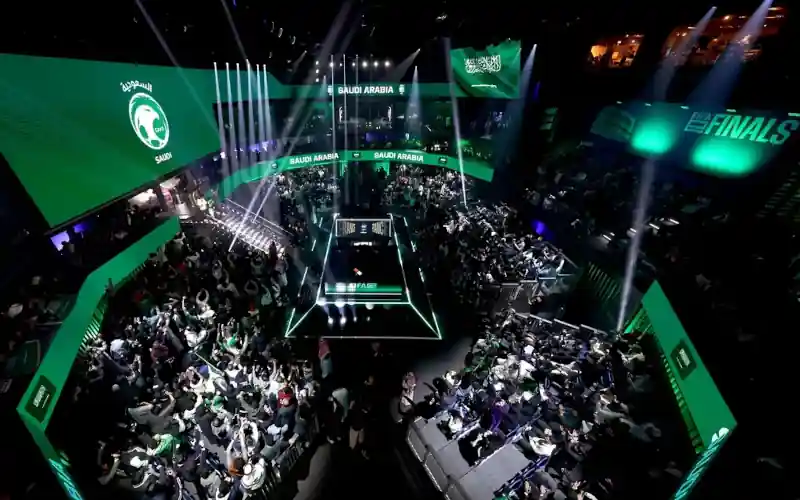
- Lenovo and Motorola provided the core gaming hardware for the FIFAe Finals 25, supporting elite competition across multiple esports titles.
- Their devices were used by athletes, staff and fans throughout the event, enabling consistent performance in one of the world’s largest esports tournaments.
- The partnership reflects Lenovo’s broader role as a technology provider for upcoming FIFA global events.
High‑Performance Hardware at the Center of Competition
Lenovo Legion gaming devices and Motorola smartphones played a central role at the FIFAe Finals 25 in Riyadh. The tournament, held from December 10–19, brought together top competitors across eFootball Console, eFootball Mobile and Rocket League. Lenovo’s Legion Tower 7i systems, monitors, peripherals and accessories were used exclusively by players and event staff. These devices supported the technical demands of a large‑scale esports competition requiring stable performance and low latency.
Motorola smartphones powered the Rocket League matches, providing a consistent platform for mobile gameplay. Competitors relied on the devices to maintain responsiveness during fast‑paced matches. Fans attending the event were able to test Lenovo and Motorola hardware at an on‑site booth. This setup allowed visitors to experience the same technology used by professional players.
The collaboration between FIFAe and Lenovo is part of a broader partnership with FIFA. Lenovo serves as the Official Technology Partner for the FIFA World Cup 2026 and the FIFA Women’s World Cup 2027. The company will supply devices, AI‑driven solutions and data center services to support operations and broadcasting. These contributions aim to enhance fan engagement and event logistics on a global scale.
Supporting Esports Performance and Fan Engagement
Lenovo executives emphasized the importance of delivering reliable hardware for high‑level esports competition. They noted that many professional gamers already rely on Legion devices for consistent performance. The FIFAe Finals provided an opportunity to demonstrate these capabilities on a global stage. Organizers highlighted that the hardware contributed to a smooth and competitive environment.
FIFA representatives also pointed to the value of the partnership in supporting player performance. They stated that Lenovo’s technology helped athletes compete at their highest level. The collaboration also aimed to improve the fan experience across FIFAe events. Enhanced performance and stability were key factors in elevating the overall tournament atmosphere.
Lenovo Legion continues to serve as the company’s premium gaming brand. The lineup includes laptops, towers, handhelds, tablets, monitors and accessories designed for a wide range of gaming needs. These devices are supported by software and services intended to optimize performance. The brand’s presence at the event reinforced its role in competitive gaming ecosystems.
AI‑Powered Holograms Expand Event Interaction
A series of Lenovo holograms were also featured at the FIFAe Finals 25. These installations used AI‑powered volumetric technology to create interactive fan experiences. Visitors could take selfies with holograms of mascots, players and public figures, including FIFA President Gianni Infantino. Additional holograms displayed event information, merchandise details and the FIFAe World Cup trophy.
Lenovo described the hologram system as adaptable for various environments. Operators can customize interactions instantly, making the technology suitable for stadiums, airports and other public spaces. The holograms offer personalized digital assistance and enhanced engagement opportunities. These features aim to improve how visitors interact with venues and event content.
Six hologram experiences were deployed in Riyadh, each offering a different type of interaction. Photos were captured instantly and made available for sharing. The technology was also used at the FIFA World Cup 2026 draw in Washington, D.C. Future deployments are planned for World Cup venues, Fan Festivals and additional locations across North America.
Fans interested in using the same hardware featured at the tournament can explore the Lenovo Legion product range. The lineup reflects Lenovo’s ongoing investment in gaming technology and esports partnerships. These devices continue to support both professional and recreational players. Their presence at major events highlights the growing role of high‑performance hardware in competitive gaming.
Holographic fan experiences are becoming increasingly common at major sporting events. Many organizations are experimenting with volumetric capture and AI‑driven avatars to create interactive digital moments. These technologies are expected to expand into retail, hospitality and transportation sectors. Analysts predict that hologram‑based engagement may become a standard feature at large‑scale events within the next decade.