
LG Unveils Its First Flagship Micro RGB TV
- LG is preparing to introduce its first flagship RGB television at CES 2026, marking a significant shift in its premium display strategy.
- The new Micro RGB evo model combines advanced LED control with upgraded AI processing to improve image quality.
- Its debut highlights LG’s effort to expand beyond OLED while applying more than a decade of experience in high‑end display engineering.
A New Direction for LG’s Premium Displays
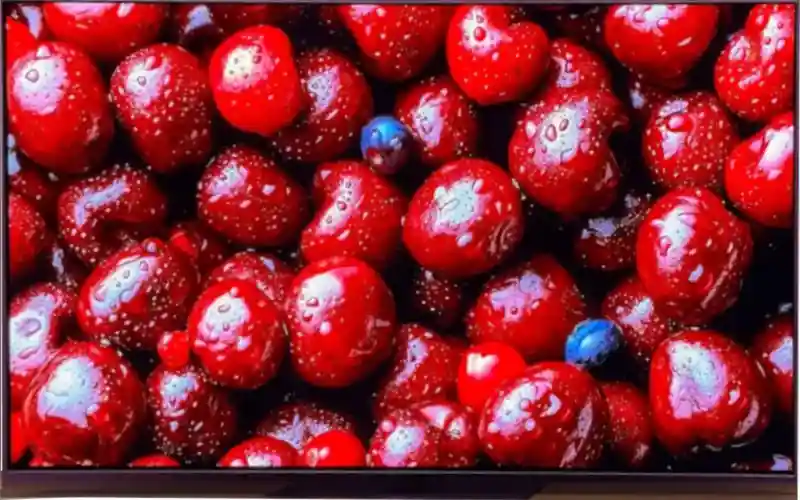
LG Electronics will showcase its first flagship RGB television, the LG Micro RGB evo, at CES 2026. The model has already received a CES 2026 Innovation Award, signaling its importance within the company’s lineup. It uses LG’s smallest individually controlled RGB LEDs to deliver a step forward compared with existing MiniLED solutions. This approach aims to provide more precise backlighting and improved overall picture performance.
The Micro RGB evo introduces a new application of Micro RGB technology by controlling its LED backlight with a level of accuracy typically associated with OLED panels. LG is leveraging 13 years of OLED development to refine this RGB‑based system. The television is powered by the updated α (Alpha) 11 AI Processor Gen 3, which uses a Dual AI Engine to handle two types of AI‑assisted upscaling simultaneously. This combination is designed to produce sharper, more consistent, and more natural‑looking images.
Enhanced processing capabilities also enable the RGB Primary Color Ultra feature. This technology supports full coverage of major color gamuts, including BT.2020, DCI‑P3, and Adobe RGB. Intertek has certified the model’s color accuracy, confirming its ability to reproduce tones required for digital editing, HDR content, and next‑generation display formats. Such precision positions the Micro RGB evo as a tool for both entertainment and professional workflows.
LG has also integrated Micro Dimming Ultra, a system that coordinates more than a thousand brightness‑control zones. The feature aims to deliver high contrast and detailed rendering in both dark and bright scenes. Its fine‑tuned dimming approach is intended to reduce blooming and improve clarity across varied content types. This level of control reflects LG’s broader effort to push LED‑based displays closer to OLED‑like performance.
AI‑Driven Enhancements and User Experience
The company has paired its hardware improvements with updates to the user experience. LG’s webOS platform, which has received multiple awards, now offers expanded customization options. Features such as Voice ID, AI Picture Wizard, AI Sound Wizard, and a personalized “My Page” home screen allow viewers to tailor the interface to their preferences. These additions are meant to streamline navigation and make content discovery more intuitive.
New AI‑powered tools also play a role in enhancing usability. The upgraded AI Concierge suggests content based on viewing habits, while the AI Chatbot and AI Search functions help users find information more efficiently. These features reflect a broader trend toward integrating conversational and predictive technologies into home entertainment systems. LG aims to make these tools feel like natural extensions of the viewing experience rather than standalone add‑ons.
Company leadership has emphasized the significance of the Micro RGB evo within LG’s display roadmap. Park Hyoung‑sei, president of LG’s Home Entertainment division, described the model as a milestone for RGB‑based displays. He highlighted its goal of delivering highly accurate color reproduction without compromising performance. His comments underscore LG’s intention to redefine expectations for LED‑driven flagship televisions.
The Micro RGB evo will be available in 100‑inch, 86‑inch, and 75‑inch sizes. These large‑format options indicate that LG is targeting the premium home theater market. CES attendees will be able to see the new model in person at the company’s booth in the Las Vegas Convention Center. The event runs from January 6 to 9, offering a first look at LG’s latest entertainment technologies.
Positioning Micro RGB in the Display Landscape
The introduction of a flagship Micro RGB television marks a notable moment for LG’s product strategy. OLED has long been the company’s signature technology, but Micro RGB allows LG to explore new performance characteristics while maintaining familiar strengths. The ability to control individual RGB LEDs with high precision brings LED‑based displays closer to OLED’s reputation for accuracy. This hybrid approach may appeal to users seeking brightness advantages without sacrificing color fidelity.
Micro RGB also offers potential benefits in long‑term durability. LED‑based systems are generally less susceptible to image retention than OLED panels. This characteristic could make the Micro RGB evo attractive for environments where static content is common. LG appears to be positioning the technology as a complementary alternative rather than a replacement for its OLED lineup.
The television’s advanced color capabilities may also interest creative professionals. Full coverage of BT.2020, DCI‑P3, and Adobe RGB is uncommon in consumer televisions, especially in LED‑based models. Such coverage allows for more accurate grading, editing, and evaluation of digital content. These attributes could broaden the device’s appeal beyond typical home entertainment use cases.
LG’s decision to debut the Micro RGB evo at CES aligns with the company’s history of using the event to introduce major display innovations. Previous CES showcases have included early OLED prototypes, rollable screens, and transparent displays. The new model continues this pattern by highlighting a technology that blends familiar concepts with new engineering approaches. Its reception may influence how other manufacturers approach high‑end LED‑based displays in the coming years.
Micro‑LED and Micro RGB technologies have been gaining attention across the industry due to their potential to combine OLED‑level precision with higher brightness and longer lifespan. Samsung, Sony, and several emerging manufacturers have also explored similar approaches, though most products remain limited to premium price ranges. Analysts expect broader adoption as production methods improve and LED sizes continue to shrink. LG’s entry into the flagship Micro RGB segment suggests that competition in this category may accelerate significantly over the next few years.