

MD Unveils New AI Chips at CES 2026
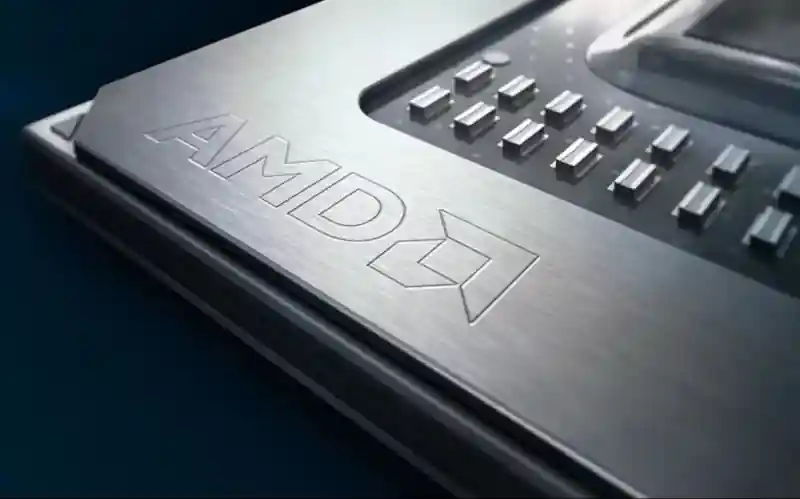
- AMD CEO Lisa Su previews MI500 AI chips at CES
- OpenAI president highlights importance of AMD chip advancements
- AMD also launches MI440X enterprise AI chip
New MI400‑Series Chips Target Data Centers and Enterprise Use
AMD CEO Lisa Su presented multiple AI chips during the company’s CES event in Las Vegas, including the MI455 processor designed for data center server racks. The chip is already being supplied to major customers such as OpenAI, which relies heavily on high‑performance compute infrastructure. Su also introduced the MI440X, an enterprise‑focused version of the MI400 series intended for on‑premise deployment. This model is engineered to integrate into existing business infrastructure that was not originally built for AI clusters.
The MI440X is based on an earlier chip selected for use in a U.S. supercomputer project. AMD positioned the processor as a flexible option for companies seeking to adopt AI workloads without overhauling their hardware environments. These announcements reflect AMD’s strategy to broaden its AI portfolio across multiple deployment scenarios. The company continues to emphasize compatibility and scalability as key selling points.
AMD remains one of Nvidia’s strongest competitors in the AI chip market. However, analysts note that Nvidia still dominates the sector and continues to sell every AI chip it produces. AMD’s October agreement with OpenAI was seen as a significant endorsement of its technology. The deal is expected to generate billions in annual revenue for AMD as MI400‑series deployments begin this year.
OpenAI President Greg Brockman joined Su on stage to emphasize the importance of chip innovation for the company’s expanding compute needs. His appearance underscored the growing collaboration between the two firms. AMD executives believe the partnership will lead to additional sales opportunities. The company is positioning itself as a key supplier for next‑generation AI infrastructure.
Previewing the MI500 and Expanding AI Partnerships
Looking ahead, Su previewed AMD’s MI500 processor, which she said will deliver 1,000 times the performance of an earlier generation. The company expects to launch the chip in 2027, targeting future large‑scale AI workloads. This early reveal signals AMD’s intention to compete aggressively in long‑term AI hardware development. The MI500 is expected to play a central role in AMD’s roadmap for high‑performance computing.
The CES event also featured Daniele Pucci, CEO of Generative Bionics, who unveiled GENE.01, a humanoid robot powered by AMD technology. Pucci said commercial production of the robot is planned for the second half of 2026. The collaboration highlights AMD’s growing presence in robotics and emerging AI‑driven applications. These partnerships demonstrate how AI hardware is expanding beyond traditional data center environments.
Nvidia also made announcements earlier in the day, showcasing its next‑generation Vera Rubin platform. The system consists of six separate chips and is already in full production. It is expected to debut later this year. Nvidia’s continued momentum underscores the competitive pressure AMD faces in the AI accelerator market.
AMD’s deal with OpenAI remains a cornerstone of its AI strategy. Executives expect the partnership to drive substantial new revenue as deployments scale. The company aims to close the gap with Nvidia by expanding its product lineup and strengthening customer relationships. These efforts reflect the broader industry race to supply the hardware powering generative AI systems.
AI PC Chips and Broader Market Competition
AMD also introduced its Ryzen AI 400 Series processors for AI‑enabled PCs. The lineup includes Ryzen AI Max+ chips designed for advanced local inference and gaming workloads. These processors aim to bring more on‑device AI capabilities to consumer systems. The launch reflects growing interest in AI‑enhanced personal computing.
Intel held its own event earlier in the day, unveiling its Panther Lake chips. The company said the processors would be available for order starting Tuesday. Competition in the AI PC segment is intensifying as manufacturers seek to differentiate their offerings. AMD’s new Ryzen AI lineup positions it to compete more directly with Intel’s latest products.
The broader AI hardware market continues to expand rapidly. Companies across the sector are racing to deliver more powerful and efficient chips. AMD’s announcements at CES highlight its efforts to secure a larger share of this growth. The company is investing heavily in both data center and consumer‑focused AI technologies.
AMD will continue rolling out MI400‑series chips throughout the year. These deployments are expected to support the company’s revenue growth as AI adoption accelerates. The firm’s long‑term roadmap, including the MI500, signals a commitment to sustained innovation. Investors and industry observers will be watching closely as AMD competes in an increasingly crowded field.
The MI500’s projected 1,000‑fold performance increase echoes a broader trend in AI hardware: accelerators are improving at a far faster rate than traditional CPUs or GPUs. Analysts note that this rapid scaling is driven by the extreme computational demands of large AI models. If these trends continue, future AI chips may require entirely new cooling, power and data center designs. AMD’s early preview suggests the company is preparing for this next wave of infrastructure transformation.