

Microsoft Acquires Osmos to Boost Fabric AI Tools
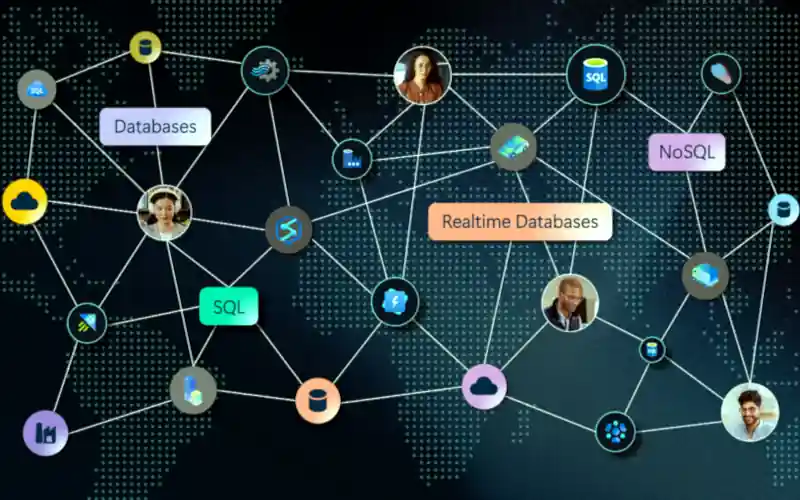
- Microsoft has announced the acquisition of Osmos, an AI‑driven data engineering platform designed to automate complex data preparation tasks.
- The move strengthens Microsoft Fabric by adding agentic AI capabilities that streamline how organizations manage and transform data.
- The integration aims to help customers unlock value from their data more quickly and with less manual effort.
Osmos Brings Agentic AI to Microsoft Fabric
Microsoft confirmed the acquisition of Osmos, describing the platform as a solution for simplifying time‑consuming data workflows. Many organizations struggle with the challenge of having abundant data but limited ability to make it actionable. Osmos addresses this by using agentic AI to convert raw information into analytics‑ready assets within OneLake, the unified data lake at the center of Microsoft Fabric. The technology reduces the need for manual data preparation and supports more efficient analysis.
The acquisition aligns with Microsoft Fabric’s broader goal of unifying data and analytics into a single secure environment. Autonomous AI agents are expected to play a growing role in helping teams connect, prepare and share data across their organizations. Microsoft sees this as a step toward reducing operational overhead while improving data accessibility. The company emphasized that Osmos will enhance Fabric’s ability to deliver streamlined, AI‑ready experiences.
Osmos’ capabilities are particularly relevant as enterprises face increasing pressure to manage diverse and rapidly expanding datasets. Traditional data engineering processes often require significant time and specialized expertise. Agentic AI offers a way to automate many of these tasks without compromising accuracy. Microsoft aims to integrate these features deeply into Fabric’s existing toolset.
The announcement highlights Microsoft’s continued investment in AI‑powered data infrastructure. Fabric already serves as a foundation for analytics tools such as Power BI. Adding Osmos strengthens the platform’s ability to support end‑to‑end data workflows. Customers can expect more automation and improved usability as integration progresses.
Advancing Microsoft’s Data Strategy
Microsoft said the acquisition reinforces its commitment to helping organizations extract value from their data with greater speed and simplicity. The Osmos team will join the Fabric engineering organization to support this vision. Their expertise will contribute to building more intuitive and AI‑driven data experiences. The company believes this collaboration will accelerate innovation across its analytics ecosystem.
The integration is expected to enhance Fabric’s ability to support both technical and non‑technical users. Automated data preparation can reduce bottlenecks that often slow down analytics projects. Teams will be able to focus more on insights rather than manual data cleanup. Microsoft sees this shift as essential for organizations seeking to scale their AI initiatives.
Fabric’s unified architecture provides a natural home for Osmos’ agentic AI capabilities. OneLake serves as a central repository for structured and unstructured data. Adding automated transformation tools strengthens the platform’s end‑to‑end workflow. This approach supports Microsoft’s long‑term strategy of consolidating data operations into a cohesive environment.
The company encouraged customers to follow ongoing updates through the Microsoft Fabric Blog. Integration work will continue throughout the year as teams merge technologies and refine user experiences. Microsoft expects the combined capabilities to deliver more efficient data pipelines. These improvements aim to help organizations accelerate decision‑making and AI adoption.
Preparing for a More Automated Data Future
Microsoft’s announcement reflects a broader industry trend toward autonomous data engineering. As AI models grow more complex, the need for clean, well‑structured data becomes increasingly important. Automated tools like Osmos can help organizations keep pace with rising data demands. This shift reduces reliance on manual processes that often slow down analytics initiatives.
The company highlighted the role of Bogdan Crivat, who leads Azure Data Analytics and oversees the Fabric engines behind Power BI. His team is responsible for building the infrastructure that supports Microsoft’s AI‑powered analytics capabilities. The addition of Osmos is expected to complement these efforts. Together, they aim to deliver a more seamless experience for users working with large‑scale data.
Organizations continue to face challenges in managing fragmented data sources. Agentic AI offers a way to unify and prepare information more efficiently. Microsoft believes this will help customers adopt AI technologies more effectively. The acquisition positions Fabric as a platform capable of supporting increasingly automated workflows.
Looking ahead, Microsoft expects autonomous AI agents to become standard components of enterprise data systems. These tools will assist with tasks ranging from ingestion to transformation and quality checks. Osmos provides a foundation for expanding these capabilities within Fabric. The company sees this as a key step toward enabling more intelligent and adaptive data environments.
Agentic AI platforms like Osmos represent a growing category of tools designed to automate data engineering, a field that has historically required extensive manual effort. Industry analysts note that data preparation can consume up to 80% of a data team’s time. Automating even part of this workload can significantly accelerate AI development cycles. Microsoft’s acquisition reflects a broader shift toward embedding autonomous agents directly into enterprise data ecosystems.