
Microsoft Explores AI Assistant for Xbox Gameplay
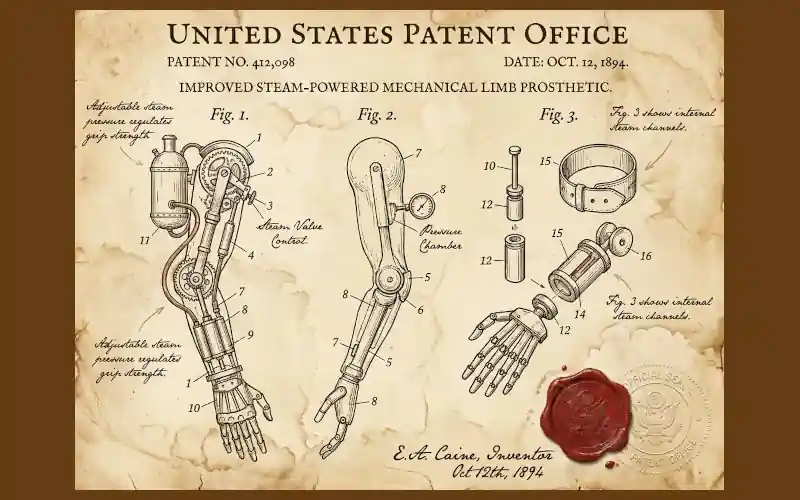
United States Patent
- Microsoft has filed a patent describing an AI‑driven helper capable of temporarily taking over gameplay sessions.
- The system would allow players to hand control to either a human or an AI model during difficult sections.
- Its design reflects a broader industry trend toward integrated, on‑demand game assistance.
A Patent Detailing Cloud‑Based Game Help Sessions
A newly surfaced Microsoft patent outlines a system for “state management for video game help sessions,” originally filed in 2024. The document describes a cloud‑based process where players can request assistance through text, chat, or video communication. Control of the active game session could then be transferred to another player or an AI model, which would complete a segment before returning an updated game state. Players would have the option to accept the new state or revert to their original progress.
Microsoft characterizes current in‑game help methods as “rudimentary,” noting that many require significant effort from players. The proposed system aims to streamline the process by offering a structured, automated alternative. It also introduces the idea of a “generative model” capable of recognizing objects in images and producing text, video, audio, or application states as part of the help workflow. These capabilities suggest a flexible framework that could adapt to different game genres and player needs.
AI or Human Helpers With Rating Systems
The patent indicates that the helper could be either a human or a machine learning model, depending on availability and user preference. Microsoft also proposes a rating system that evaluates helpers across multiple categories, including overall performance, genre‑specific skill, and even proficiency in particular game elements. Such ratings could influence which helper is selected for a session, creating a matchmaking‑style approach to game assistance. The idea resembles existing support systems but adds a layer of automation and personalization.
Most of the patent focuses on how help sessions begin, how they end, and how game states are stored and restored. It also touches on the potential for helpers to generate multimodal outputs, which could include instructional content or direct gameplay intervention. These features align with Microsoft’s broader interest in AI‑enhanced gaming tools. The company’s earlier Xbox Gaming Copilot beta, launched last year, already experimented with real‑time AI guidance in titles like Minecraft.
Industry Context and Comparisons With Sony
Microsoft’s filing arrives shortly after a similar Sony patent describing an AI “ghost” assistant for PlayStation games. Sony’s concept involves an in‑game entity that can guide players or complete sections on their behalf. Both companies appear to be exploring ways to integrate AI into gameplay support, though their approaches differ in structure and presentation. The parallel filings highlight a growing interest in automated assistance as games become more complex.
The broader conversation around generative AI remains contentious, with concerns ranging from ethics to environmental impact. High memory requirements for AI workloads have contributed to component shortages and rising hardware prices across the consumer electronics industry. These pressures have already affected companies such as Valve, Nintendo, and Sony, which are reportedly adjusting product timelines and pricing strategies. Microsoft’s own leadership has recently acknowledged the challenges posed by “bad AI,” reflecting ongoing debates within the sector.
AI‑assisted gameplay has historical roots in “demo play” systems used in older arcade and console titles, where the game would showcase automated sequences to teach mechanics. Modern implementations, however, rely on machine learning models capable of analyzing player behavior and adapting to real‑time conditions. The idea of transferring game control to an AI echoes early research into autonomous agents trained on gameplay footage, including experiments that used reinforcement learning to master classic games. These developments suggest that AI‑driven game assistance may become increasingly common as both hardware and software ecosystems evolve.