

Microsoft Figures Cited in Newly Released Epstein Files
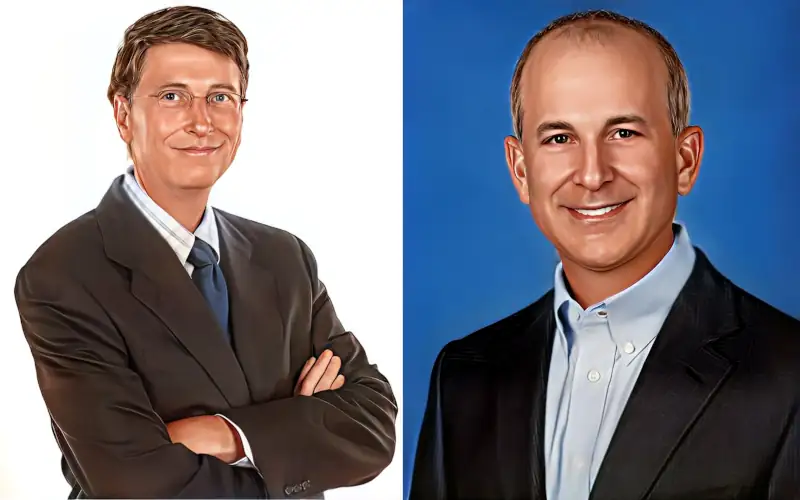
Bill Gates and Steven Sinofsky
- Newly unsealed documents from the U.S. Justice Department’s Epstein investigation reference Bill Gates and former Windows chief Steven Sinofsky.
- The files contain draft notes, emails and interview materials, some of which include unverified allegations and professional correspondence.
- No criminal wrongdoing by Microsoft is described, but the disclosures revive questions about past associations between prominent tech figures and Epstein.
Epstein Files Renew Scrutiny of Tech Leaders
A new batch of documents tied to the U.S. Justice Department’s long‑running Jeffrey Epstein investigation has surfaced, bringing renewed attention to several high‑profile individuals. Among the names appearing in the material are Microsoft co‑founder Bill Gates and former Windows division head Steven Sinofsky. The files span millions of pages and include emails, interview notes, draft memos and other internal records. Their release has prompted fresh reporting on how Epstein interacted with influential figures across business and technology.
One of the most widely discussed elements involves draft emails and notes Epstein wrote about Gates around 2013. In these drafts, Epstein alleged that Gates had extramarital encounters and contracted a sexually transmitted disease after interactions with “Russian girls,” which Epstein linked to visits to his private island. It remains unclear whether these drafts were ever sent to Gates or anyone else. News outlets emphasize that these are Epstein’s claims alone and not findings by investigators.
Gates’s representatives have strongly rejected the allegations, calling them “completely false” and “utterly ludicrous.” They argue that the documents reflect Epstein’s attempts to maintain relevance after Gates distanced himself. The material does not relate to Microsoft’s corporate activities, as Gates has not been involved in day‑to‑day operations for many years. The references instead concern his personal interactions with Epstein during the 2000s and early 2010s.
Sinofsky’s Emails Show Epstein as an Informal Advisor
Another figure appearing in the files is Steven Sinofsky, who led Microsoft’s Windows division until his departure in 2012. Newly surfaced emails show Sinofsky corresponding with Epstein while negotiating his exit package from the company. The messages indicate that Sinofsky sought advice on non‑compete terms, severance structure and other elements of his separation agreement. Epstein appears to have offered feedback and expected compensation for his guidance.
Reports suggest that Sinofsky ultimately secured a settlement worth roughly 14 million dollars. The correspondence also includes discussions about potential future roles at companies such as Apple and Samsung. Epstein’s involvement seems to have been limited to offering informal career advice rather than participating in any criminal activity. Nothing in the released material alleges that Sinofsky was connected to Epstein’s sex‑trafficking crimes.
The emails instead illustrate how Epstein positioned himself as a behind‑the‑scenes consultant to powerful executives. His network extended into corporate transitions, financial negotiations and personal introductions. Sinofsky’s communications show how Epstein leveraged these relationships even after his 2008 conviction. The documents provide a glimpse into the broader ecosystem of influence Epstein cultivated across industries.
Microsoft Not Accused of Wrongdoing
Despite the appearance of Gates and Sinofsky in the files, Microsoft as a company is not described as facing criminal allegations. Coverage of the document release places Gates alongside a long list of public figures whose names appear in interviews, notes or correspondence. Many of these references involve unverified claims or one‑sided accounts recorded by Epstein or his associates. The DOJ materials do not present new charges against Microsoft or its leadership.
Some reporting mentions a separate espionage case involving a former Microsoft employee, in which investigators examined whether Epstein‑linked intelligence contacts overlapped with that matter. Microsoft was described as cooperating with authorities and was not implicated in wrongdoing. The broader impact for the company is reputational rather than legal. The disclosures revive questions about the social and professional circles some Microsoft‑connected figures moved in during the 2000s.
For the Microsoft ecosystem, the files highlight historical associations rather than current operational concerns. Gates has already faced scrutiny for maintaining contact with Epstein after his 2008 conviction, and the new documents add further context to that timeline. Sinofsky’s emails show how Epstein inserted himself into corporate negotiations unrelated to criminal activity. These details are likely to remain part of the public conversation around Microsoft’s legacy, even as the company itself is not accused of misconduct.
Epstein’s files have repeatedly drawn attention because they include references to numerous public figures across politics, business and entertainment. Many of these mentions stem from social interactions, introductions or correspondence rather than evidence of criminal involvement. The newly released documents continue this pattern, offering a fragmented view of Epstein’s network rather than definitive conclusions about the individuals named.