
NASA Moves SLS Rocket to Pad for Artemis II
- Artemis II mission to send astronauts around the moon.
- Launch hinges on successful “wet dress” rehearsal.
- Crew-12 mission timing may affect Artemis II launch date.
SLS Begins Final Preparations for Launch
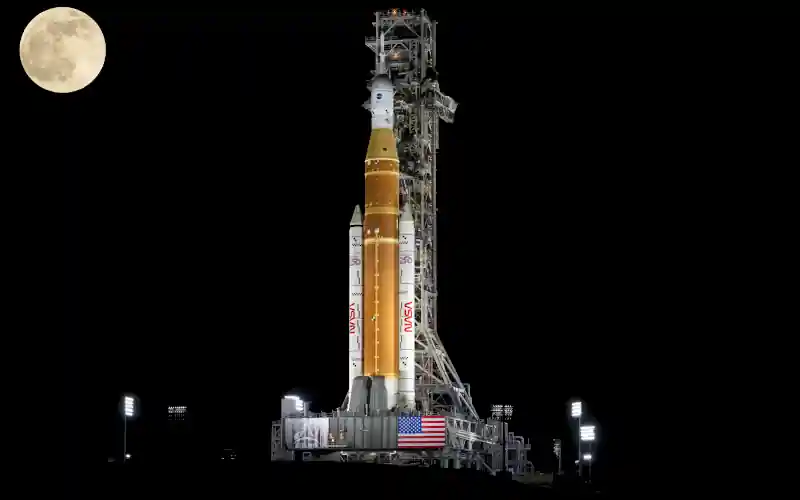
NASA rolled the 322‑foot‑tall Space Launch System rocket out of the Vehicle Assembly Building at sunrise, beginning its slow journey to the launchpad. The crawler moved at roughly one mile per hour as employees and contractors gathered to watch the milestone. Artemis II will be the second mission in NASA’s lunar program and the first to carry astronauts after the uncrewed Artemis I flight in 2022. The upcoming mission is designed to take the crew farther into space than any previous human expedition.
The Artemis II crew consists of three U.S. astronauts and one Canadian astronaut, reflecting international cooperation in the program. NASA has targeted February 6 as the earliest possible launch date, though the schedule depends heavily on a “wet dress” rehearsal planned four days earlier. This test simulates the full launch countdown to identify any technical issues before flight. Mission leaders emphasized that data from the rehearsal will determine whether the February window remains viable.
Scheduling Challenges and Mission Coordination
Another factor influencing the timeline is the Crew‑12 mission to the International Space Station, which was moved forward after Crew‑11 returned early due to a medical issue. NASA must balance resources between the two missions, potentially pushing Artemis II to a later date. The agency has outlined three launch windows through April, each aligned with orbital mechanics required for the lunar trajectory. These windows run from February 6 to April 11, March 3 to March 11, and April 1 to April 6.
The rollout marks a symbolic and technical milestone for NASA’s multibillion‑dollar Artemis program. Mission leaders highlighted the teamwork behind the effort and the broad collaboration across agencies and international partners. Artemis II will test life‑support systems and deep‑space operations ahead of future missions that aim to land astronauts on the lunar surface. The mission’s success will shape the timeline for subsequent Artemis flights and long‑term lunar exploration plans.
The SLS rocket is currently the most powerful launch vehicle NASA has ever built, generating up to 8.8 million pounds of thrust at liftoff. Its crawler‑transporter, originally designed for the Apollo program, remains one of the largest self‑propelled vehicles on Earth. The slow rollout speed is intentional, ensuring stability while carrying millions of pounds of hardware across the four‑mile route to the launchpad.