
Netflix Agrees to Acquire Warner Bros Discovery Studios
- Netflix’s $27.75 a share bid tops Paramount’s offer
- Combining leading streaming players to draw antitrust scrutiny
- Deal to boost US production, original content spending – Netflix
- WBD rises 3%, trading below offer price; Netflix down 0.2%
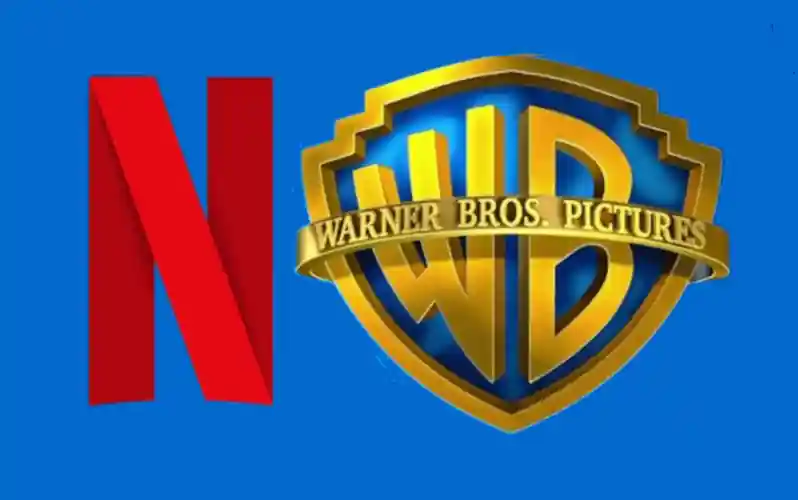
Netflix announced a significant acquisition on Friday, agreeing to purchase Warner Bros Discovery’s (WBD) film, TV studio, and streaming operations for $72 billion. This transaction means the streaming pioneer would gain control of one of Hollywood’s most established and valuable assets. The move is a dramatic departure for Netflix, known primarily for its internal development, as the company transforms into a major studio itself. The merger is anticipated to face rigorous antitrust scrutiny in the United States and Europe due to the combined market dominance.
A Shift from Builder to Buyer
Netflix Co-CEO Ted Sarandos addressed the unexpected nature of the deal during a call with investors. He acknowledged that the company had been recognized as an originator of content rather than a buyer of existing infrastructure. This acquisition represents a unique opportunity that Sarandos stated would assist Netflix in achieving its mission to entertain the world through compelling narratives. The agreement followed an intense bidding period where Netflix’s offer of nearly $28 per share surpassed presumed leader Paramount Skydance (PSKY.O), which had submitted several unsolicited bids for all of WBD.
The deal grants Netflix ownership of WBD’s extensive content library, a collection built over the last century. This includes highly valuable franchises such as “Harry Potter” and “Game of Thrones.” Access to DC Comics’ stable of superheroes, including Batman and Superman, is also part of the acquisition. The combined entities are expected to shape the future of global entertainment and production. WBD shares saw a moderate increase of 3.2% to $25.33 following the announcement.
Regulatory and Industry Opposition
The massive acquisition is widely expected to encounter strong antitrust scrutiny from regulators on both sides of the Atlantic. Combining the world’s largest streaming service with a competitor housing HBO Max and nearly 130 million streaming subscribers raises significant competitive concerns. Hollywood figures and union representatives are expected to express resistance to the deal. Tom Harrington, Head of Television at Enders Analysis, expressed concern that the creative integrity of HBO, often regarded as a jewel of the industry, could be jeopardized under the new ownership.
David Ellison-led Paramount, which initiated the bidding process, previously challenged the sale and alleged that Netflix received preferential treatment. Before any official bids were concluded, several members of Congress had already voiced concerns that a Netflix-WBD deal could negatively impact both consumers and the broader Hollywood ecosystem. Cinema United, a major global exhibition trade association, labelled the deal an “unprecedented threat” to movie theaters worldwide. Netflix, however, countered that the deal would benefit consumers through a potential bundled offering at a lower cost and would increase its long-term spending on original content.
Deal Structure and Financial Projections
The agreement stipulates that WBD shareholders will receive a combination of cash and Netflix stock, valuing Warner at $27.75 per share, totalling approximately $72 billion in equity and $82.7 billion including debt. Specifically, each WBD shareholder will receive $23.25 in cash and approximately $4.50 in Netflix stock. This valuation reflects a significant 121.3% premium over WBD’s closing price recorded before the initial buyout reports emerged in September.
The acquisition is structured to finalize after WBD completes the spinoff of its global networks unit, Discovery Global, into an independently listed company. This separation is currently projected for the third quarter of 2026. Netflix has also factored in potential cost savings, anticipating generating at least $2 billion to $3 billion annually by the third year following the deal’s closing. WBD’s successful entry into the video game sector, highlighted by the billion-dollar revenue generated by “Hogwarts Legacy” (a Harry Potter title), could also significantly enhance Netflix’s existing, yet struggling, gaming strategy.
Antitrust Landscape and Paramount’s Position
The complexity of this merger is heightened by the continued interest from Paramount. Paramount reportedly made an offer of $30 per share for WBD and is allegedly considering bypassing the WBD board to make a direct takeover offer to the shareholders. Such maneuvers indicate the ongoing competitive tension surrounding WBD’s assets. Furthermore, the regulatory environment is particularly sensitive; the proposed deal for such a massive industry consolidation is likely to be the subject of one of the most intense regulatory reviews in recent history, potentially dragging on for an extended period.