
Roman vial reveals unusual ancient medical practice
- Archaeologists in Turkey have identified human excrement in a 1,900‑year‑old Roman vial.
- The finding offers the first physical evidence that faeces were used medicinally in the Roman world.
- Chemical analysis also detected thyme oil, suggesting it was added to mask the mixture’s unpleasant smell.
A rare glimpse into Roman medical routines
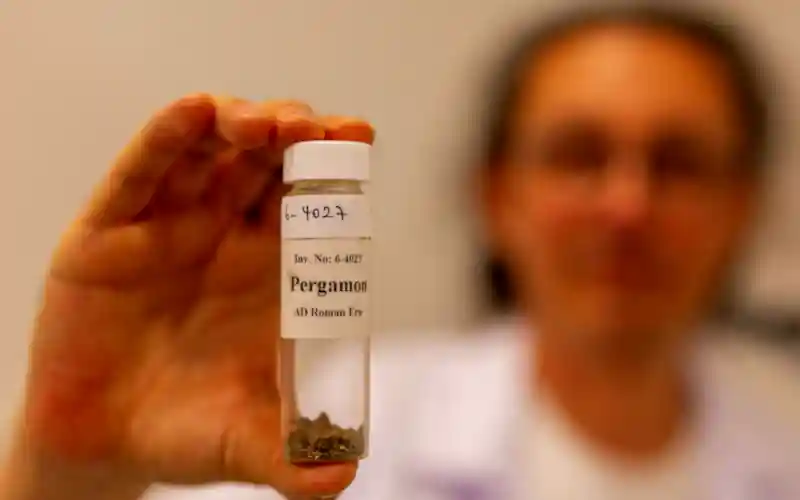
A small glass vial from Roman‑era Turkey has provided researchers with an unexpected insight into ancient healing practices. The vessel, known as an unguentarium, was originally thought to have held perfume or a scented elixir. Its contents, however, turned out to be far more unusual after laboratory testing revealed traces of human faeces. This discovery marks the first time physical evidence has confirmed a treatment previously known only from Roman medical texts.
The vial was among hundreds of artefacts stored at the Bergama Museum near the ruins of ancient Pergamon. Archaeologist Cenker Atila, who specializes in ancient perfumes, had been examining the collection to identify the original substances once held in these containers. His team collaborated with pharmacologist Ilker Demirbolat, who conducted a detailed chemical analysis. The results aligned with descriptions found in the writings of Galen, the influential physician who lived and worked in Pergamon nearly two millennia ago.
What the analysis revealed
Demirbolat’s examination detected two key components: human excrement and thyme oil. Roman physicians documented the use of faeces in topical treatments intended to reduce inflammation or fight infection. These remedies were believed to stimulate the body’s healing response, although they were also known to provoke disgust. Ancient authors even advised mixing the material with pleasant‑smelling substances to make it more tolerable, which explains the presence of thyme oil in the vial.
The bottle’s long‑necked design is typical of unguentaria used across the Roman Empire. Such vessels often held oils, balms, or medicinal mixtures, making the find consistent with known practices. Although the vial was recovered from looters and its exact excavation site is unknown, stylistic clues strongly suggest it originated in the Pergamon region. The city was home to a major medical school and a renowned healing complex, making it a plausible source for experimental treatments.
Historical context behind the discovery
Roman medical literature contains several references to the therapeutic use of excrement. Galen and other physicians described how certain mixtures were applied to the skin to treat infections, swelling, or wounds. These texts indicate that the practice, while unappealing, was not uncommon in the broader framework of ancient medicine. Remedies often relied on ingredients that modern readers might find surprising, including animal products, minerals, and plant extracts.
The newly analysed vial provides the first physical confirmation that such treatments were prepared and stored in everyday medical containers. It also demonstrates how Roman practitioners combined ingredients to balance efficacy with patient comfort. Thyme oil, widely used in antiquity for its antimicrobial properties and strong aroma, would have served both practical and sensory purposes. Its inclusion suggests that physicians were aware of the need to make unpleasant remedies more acceptable.
Why the find matters
This discovery adds a tangible layer to our understanding of Roman medical practice. Written sources offer valuable information, but physical evidence helps verify how these treatments were actually prepared. The vial shows that medical experimentation in the Roman world extended beyond theoretical texts and into practical application. It also highlights the role of local medical centres such as Pergamon, where physicians like Galen developed and documented their methods.
Researchers note that the find underscores the complexity of ancient healthcare systems. Roman medicine blended empirical observation with traditional beliefs, resulting in treatments that ranged from sophisticated surgical techniques to unconventional topical remedies. The presence of faeces in a medicinal mixture may seem unusual today, yet it reflects a broader willingness to explore diverse substances in pursuit of healing. Such discoveries remind us that ancient medical knowledge was both innovative and deeply rooted in the materials available at the time.
Interestingly, the use of excrement in medicine persisted in various cultures long after the Roman period. Medieval European texts mention similar treatments, and some modern therapies—such as faecal microbiota transplantation—demonstrate that biological material can indeed play a role in healing under controlled conditions. While the ancient remedy found in Turkey is far removed from modern medical standards, it offers a striking example of how historical practices sometimes echo in contemporary science.