
Samsung Expands G‑SYNC Support Across 2026 Displays
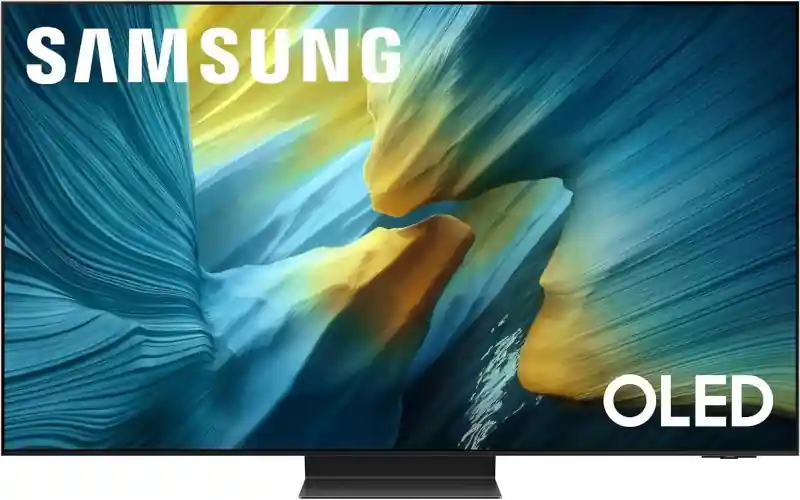
- Samsung’s 2026 OLED TVs and Odyssey gaming monitors now include NVIDIA G‑SYNC compatibility for smoother, tear‑free gameplay.
- The new lineup introduces higher refresh rates, improved HDR formats and upgraded panel technologies aimed at both competitive and cinematic gaming.
- These updates position Samsung’s displays as versatile options for players seeking performance and visual quality.
Samsung Brings Wider G‑SYNC Support to 2026 Lineup
Samsung has announced that its 2026 OLED TVs and next‑generation Odyssey gaming monitors are now NVIDIA G‑SYNC Compatible. This certification allows the displays to synchronize their refresh rates with GeForce GPUs, reducing screen tearing and stuttering during gameplay. Supported models include the OLED S95H, S90H and S85H televisions, along with the Odyssey G6 monitors in both G60H and G61SH variants. The company says the goal is to deliver consistent performance across a wide range of gaming scenarios.
NVIDIA’s adaptive sync technology has become increasingly important as games push higher frame rates and more demanding visual effects. By aligning the display’s refresh cycle with the GPU’s output, G‑SYNC helps maintain smooth motion even during rapid scene changes. Samsung’s decision to expand compatibility reflects the growing expectation for variable refresh rate support across premium displays. It also positions the company more competitively in a market where PC and console gamers expect low latency and stable performance.
Samsung executives highlighted the importance of offering reliable gaming features across both TVs and monitors. Kevin Lee, Executive Vice President of the Visual Display Business, emphasized that the company aims to support players regardless of platform or play style. He noted that innovations in OLED and QD‑OLED technology allow Samsung to balance speed, clarity and immersion. These updates are intended to appeal to both competitive gamers and users who prioritize cinematic visuals.
The announcement underscores Samsung’s broader strategy of integrating gaming‑focused features into mainstream display products. As more households use TVs for both entertainment and gaming, manufacturers are increasingly merging high‑end monitor capabilities with living‑room displays. Samsung’s 2026 lineup reflects this trend by offering high refresh rates, advanced HDR formats and adaptive sync technologies across multiple product categories. The company expects the combined feature set to meet the needs of a diverse gaming audience.
Odyssey G6 Pushes Refresh Rates to New Extremes
The 27‑inch Odyssey G6 (G60H) introduces a notable milestone as the first monitor to reach a 1,040Hz refresh rate. This capability is enabled by Dual Mode, which allows users to switch between ultra‑high frame rates at HD resolution and native QHD performance at up to 600Hz. Such flexibility is designed for players who require rapid response times and precise motion handling in competitive environments. The monitor aims to deliver clarity and speed without compromising responsiveness.
For users who prefer richer visuals, the Odyssey G6 (G61SH) offers a QD‑OLED panel with QHD resolution and a 240Hz refresh rate. This model focuses on color accuracy, contrast and overall image quality while maintaining smooth motion. A 0.03ms gray‑to‑gray response time and HDR10+ GAMING support further enhance the viewing experience. These specifications make the display suitable for players who want both performance and visual depth.
Both G6 models include NVIDIA G‑SYNC compatibility to minimize stuttering and tearing. This ensures consistent performance across a wide range of frame rates and game genres. The combination of high refresh rates, fast response times and adaptive sync positions the G6 series as a strong option for esports and high‑performance gaming. Samsung’s approach reflects a growing emphasis on specialized features tailored to different types of players.
The introduction of a 1,040Hz mode marks a significant step in the evolution of gaming monitors. While such extreme refresh rates exceed the needs of most games today, they demonstrate the direction of future display development. Manufacturers continue to push boundaries as GPUs become more powerful and competitive gaming demands lower latency. Samsung’s G6 lineup illustrates how hardware innovation is shaping the next generation of gaming displays.
OLED TVs Add Gaming Features and New HDR Format
Samsung’s 2026 OLED TVs expand the company’s gaming‑focused feature set. The S95H and S90H models support refresh rates up to 165Hz, while the S85H reaches 120Hz. These capabilities aim to reduce motion blur and input lag during fast‑paced gameplay. The entire lineup also supports AMD FreeSync Premium Pro, offering HDR‑capable adaptive sync for both PC and console users.
A new addition this year is HDR10+ ADVANCED, an upgraded HDR format designed to improve brightness, contrast and motion handling. This enhancement targets a wide range of content, from games to streaming video. Samsung has also applied its Glare Free technology to the S95H and S90H models to reduce reflections without compromising OLED image quality. These updates aim to improve viewing conditions in various lighting environments.
The combination of high refresh rates, adaptive sync and advanced HDR positions the 2026 OLED lineup as a versatile option for gaming and entertainment. Samsung continues to refine its OLED technology to compete with other premium display manufacturers. The company’s focus on reducing reflections addresses a common concern among OLED users. These improvements reflect ongoing efforts to balance performance with everyday usability.
Support for both NVIDIA G‑SYNC and AMD FreeSync Premium Pro ensures broad compatibility across gaming platforms. This dual‑standard approach reduces the need for users to choose displays based on GPU brand. It also highlights the increasing importance of adaptive sync in modern display design. Samsung’s 2026 lineup demonstrates how gaming features are becoming standard across high‑end televisions.
Samsung’s push toward extreme refresh rates follows a broader industry trend. Several manufacturers have experimented with 500Hz and 600Hz monitors in recent years, but the G6’s 1,040Hz mode sets a new benchmark. While few games can currently take advantage of such speeds, the technology may influence future esports standards. The rapid evolution of display hardware suggests that refresh rate ceilings will continue to rise as GPU performance improves.