

Taiwan knows what the national interest is: They said no to Trump
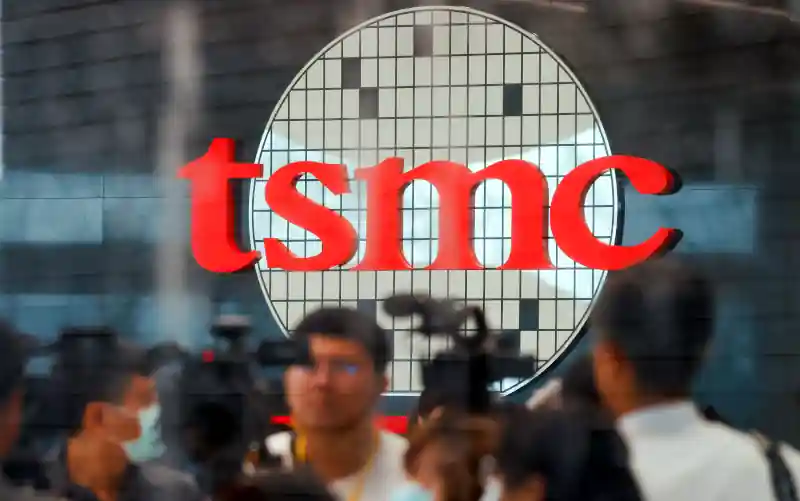
- Taiwan has rejected U.S. proposals to shift 40% of its semiconductor production capacity to American soil, calling the idea unrealistic.
- Officials emphasized that the island’s chip ecosystem, built over decades, cannot be uprooted or replicated quickly.
- While Taiwan is open to expanding its presence abroad, leaders insist that domestic capacity will continue to grow and remain the industry’s core.
Taiwan Rejects Large‑Scale Relocation Proposals
Taiwan’s government has firmly dismissed U.S. suggestions that 40% of the island’s semiconductor manufacturing capacity could be transferred to the United States. Vice Premier Cheng Li‑chiun stated in a televised interview that she had clearly communicated to Washington that such a shift is “impossible,” citing the complexity and maturity of Taiwan’s semiconductor ecosystem. The industry has been built over decades, with dense supply chains, specialized talent and tightly integrated science parks. Relocating such an ecosystem, she argued, would undermine its efficiency and stability.
Cheng emphasized that Taiwan’s domestic chip capacity will continue to expand. She noted that while Taiwan is willing to increase its investments abroad, including in the U.S., these efforts must be grounded in maintaining a strong home base. The government has no plans to relocate science parks or dismantle existing industrial clusters. Instead, Taiwan aims to share its experience in building semiconductor hubs to help other countries develop their own ecosystems.
The comments come after U.S. officials floated the idea of shifting a significant portion of Taiwan’s chip supply chain to American territory. Washington has expressed concerns about the concentration of advanced chip production near China. U.S. Commerce Secretary Howard Lutnick recently argued that relying heavily on manufacturing located “80 miles from China” is illogical from a national security standpoint.
Tariff Negotiations and U.S. Pressure
The debate over semiconductor relocation is unfolding alongside ongoing trade discussions between Taiwan and the United States. The two sides recently reached an agreement to reduce tariffs on Taiwanese exports from 20% to 15%, while Taiwan committed to increasing its investment in the U.S. market. Despite this cooperation, tensions remain over Washington’s expectations for chip manufacturing.
Lutnick has repeatedly stated that the U.S. aims to secure a 40% share of leading‑edge semiconductor production. In a CNBC interview, he warned that tariffs on Taiwan could rise to 100% if the island does not move a substantial portion of its supply chain to the U.S. He previously suggested a 50‑50 production split between the two economies, an idea Taiwan rejected at the time. These statements reflect growing U.S. efforts to localize semiconductor manufacturing as part of broader industrial and national security strategies.
Taiwanese officials maintain that expansion abroad is possible, but only as a complement to domestic growth. Cheng reiterated that Taiwan’s total semiconductor capacity—including existing facilities, ongoing construction and planned projects—will far exceed its overseas investments. She stressed that Taiwan’s leadership in advanced manufacturing and packaging will remain anchored at home. The government views this approach as essential to preserving the island’s competitive advantage.
The U.S. push for relocation highlights the geopolitical importance of semiconductors. Chips are critical components in everything from consumer electronics to defense systems. As global demand rises, countries are increasingly seeking to secure their own supply chains. Taiwan’s dominant position in advanced chipmaking makes it a central player in these discussions.
Industry Response and Global Implications
Taiwan Semiconductor Manufacturing Company (TSMC), the world’s largest contract chipmaker, is already expanding its global footprint. The company is investing $165 billion to build new factories in Arizona, part of a broader effort to diversify production. These projects align with Taiwan’s stance of supporting international expansion while maintaining domestic strength. TSMC’s investments demonstrate that overseas growth is possible, but not at the scale or speed U.S. officials have proposed.
Industry analysts note that Taiwan currently produces around 90% of the world’s most advanced chips. This dominance is the result of long‑term investment, specialized infrastructure and a highly skilled workforce. Replicating such an ecosystem elsewhere would require enormous resources and many years of development. Economists predict that even by 2029, only a small fraction of Taiwan’s advanced manufacturing capacity will be located in the U.S.
Cheng’s remarks underscore the limits of geopolitical pressure in reshaping global supply chains. While Taiwan is willing to collaborate and share expertise, it cannot dismantle the foundation of its most important industry. The government’s position reflects both economic realities and strategic considerations. Maintaining a strong semiconductor sector is essential to Taiwan’s global role and economic security.
The debate also highlights the broader challenge of balancing national security concerns with the practical constraints of high‑tech manufacturing. As countries compete for semiconductor leadership, cooperation and negotiation will remain central to shaping the industry’s future. Taiwan’s response suggests that any major shift in global chip production will be gradual rather than abrupt.
Taiwan’s semiconductor ecosystem is often cited as one of the most advanced industrial clusters in the world. Its science parks host tightly integrated networks of suppliers, research institutions and manufacturers. This model has been studied by other countries seeking to build their own chip industries, but experts note that Taiwan’s success is difficult to replicate due to its unique combination of policy support, talent concentration and decades of coordinated development.