

Tech Firms Confront Rising Data Center Backlash
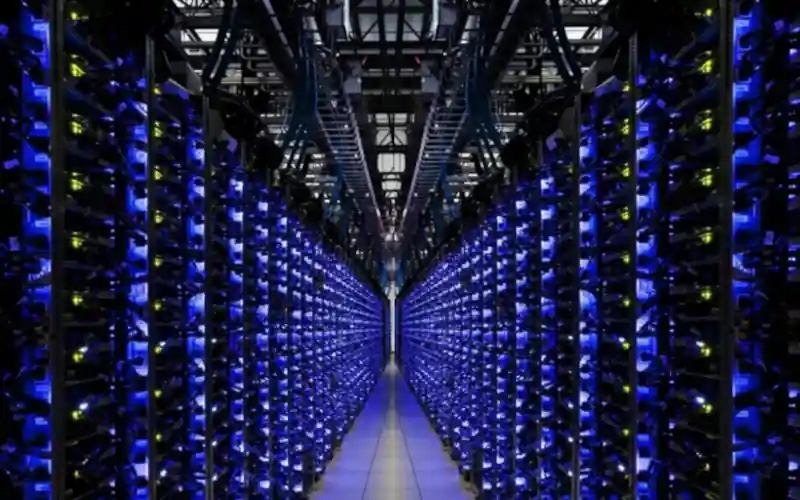
- Public resistance to data centers is becoming a growing political challenge for major technology companies in the United States.
- Industry groups and large platforms are responding with lobbying efforts, advertising campaigns, and new messaging strategies aimed at reshaping public perception.
- These initiatives reflect rising concern ahead of the 2026 midterm elections, where data center expansion is expected to be a key issue.
A Shifting Political Landscape Around Data Centers
Tech companies are investing heavily to counter a growing political problem: data centers are losing favor with voters. Communities across the United States have begun pushing back against new facilities, citing concerns about land use, energy consumption, and strain on local infrastructure. Industry leaders are responding with campaigns designed to reframe data centers as economic assets rather than burdens. These efforts mark a notable shift for a sector that once relied on its reputation as a driver of innovation and growth.
Recent elections have intensified the sense of urgency. Candidates in several states won races after criticizing data center expansion and demanding that operators contribute more to grid upgrades. These results signaled to the tech industry that public sentiment is shifting faster than expected. Companies now view the 2026 midterms as a critical moment for shaping the future of AI‑related infrastructure.
New trade groups are emerging to influence the debate. The National Artificial Intelligence Association (NAIA), founded earlier this year, is distributing talking points to lawmakers and organizing tours of data centers to highlight their economic value. Another organization, the Data Center Coalition (DCC), has significantly increased its lobbying spending in response to the political climate. These groups aim to build a more favorable narrative around the facilities that power modern AI systems.
Meta has taken a particularly visible role in the messaging push. The company has launched a multimillion‑dollar advertising campaign portraying data centers as beneficial to rural communities in states such as Iowa and New Mexico. Its ads emphasize job creation and infrastructure investment, reflecting a broader strategy to counter negative perceptions. Meta has pledged hundreds of billions of dollars toward technology infrastructure, underscoring the scale of its commitment.
Industry Messaging Intensifies as Local Resistance Grows
Public skepticism is not limited to national politics. Local governments are increasingly rejecting new data center proposals, even when backed by major companies. A recent example came from Chandler, Arizona, where the city council voted down a large project supported by Meta, Microsoft, and former senator Kyrsten Sinema. The decision highlighted how local concerns can override national lobbying efforts.
Industry groups are responding by broadening their outreach. NAIA plans to expand its congressional engagement next year with tours for Capitol Hill staff and policymakers, offering firsthand exposure to large‑scale server operations. These visits are intended to demystify data centers and demonstrate their role in supporting digital services. The organization hopes that direct experience will help counter negative assumptions.
Lobbyists are also working to reframe the debate around energy costs. Critics often argue that data centers drive up utility bills for residents, especially in regions with aging electrical grids. Industry representatives contend that the situation is more complex and that infrastructure limitations play a larger role in rising costs. They aim to shift the conversation toward long‑term grid modernization rather than blaming data center growth.
Some groups are promoting research to support their position. The DCC has cited studies suggesting that adding large electrical loads, including data centers, can reduce power costs for certain customers. Analysts have challenged this interpretation, noting that the benefits primarily accrue to commercial users rather than households. The debate underscores how contested the issue has become as energy demand continues to rise.
Political Leaders Seize on Voter Concerns
Lawmakers from both major parties are responding to voter frustration. Several Senate Democrats recently pressed the Trump administration for information on rising utility costs, arguing that consumers should not subsidize data center expansion. Their letter reflects growing bipartisan interest in regulating the industry more closely. Energy affordability has become a central concern for many voters, making the issue politically potent.
Republican officials are also taking action. Florida Governor Ron DeSantis has proposed new restrictions on data centers as part of a broader “AI bill of rights.” Other lawmakers, including Representative Marjorie Taylor Greene and Senator Josh Hawley, have warned about the long‑term consequences of rapid AI infrastructure growth. Their statements suggest that skepticism toward data centers is becoming a cross‑party phenomenon.
Energy demand projections are adding to the pressure. Analysts expect the number of data centers to increase by more than one‑third within five years, potentially consuming up to 21 percent of global electricity by 2030. This represents a dramatic rise from current levels and has intensified concerns about grid capacity. Policymakers are increasingly focused on how to balance technological advancement with sustainable energy use.
Senator Ron Wyden has emphasized that energy costs will be a defining issue for voters next year. He argues that rising utility bills, including those linked to AI infrastructure, are contributing to broader economic anxiety. His comments reflect a growing belief that data center expansion cannot be separated from debates about housing, healthcare, and overall cost of living. The political stakes surrounding the issue are likely to increase as the election approaches.
One notable trend shaping the debate is the rapid growth of AI‑driven workloads, which require far more computational power than traditional cloud services. Industry analysts have reported that training large AI models can consume as much electricity as hundreds of homes over extended periods. This shift is prompting utilities and regulators to reassess long‑term energy planning, suggesting that the political challenges surrounding data centers may continue to intensify.