
Tetris Shown to Reduce Trauma Flashbacks
- New research suggests that playing Tetris can significantly reduce intrusive trauma memories.
- The study found that symptoms continued to decline for months after the intervention.
- Researchers say the method works by occupying the brain’s visual processing systems, limiting the formation of vivid flashbacks.
A Visual Task That Competes With Trauma Memories
A study published in The Lancet Psychiatry reports that Tetris can help reduce intrusive, vivid and unwanted trauma memories, which are a core symptom of post‑traumatic stress disorder. The treatment, known as Imagery Competing Task Intervention (ICTI), was developed at Uppsala University in collaboration with P1vital and tested with researchers from Cambridge and Oxford. Psychological trauma often produces involuntary flashbacks that can persist for years and disrupt daily functioning. These memories typically appear as sudden visual images that intrude without warning.
Study lead Emily Holmes explained that even a single intrusive memory can strongly affect attention and emotional stability. She noted that weakening the sensory vividness of these memories through a brief visual task can reduce how often they reappear. The research team focused on healthcare workers who had experienced traumatic events during the COVID‑19 pandemic. Their goal was to evaluate whether a simple cognitive intervention could meaningfully reduce the burden of flashbacks.
Testing the Intervention Across Multiple Groups
Participants were divided into three groups to compare the effects of ICTI with other activities. One group used the mental intervention, another listened to classical music and a third received standard treatment. ICTI produced a substantial reduction in intrusive memories, dropping from an average of fourteen per week to just one after four weeks. This was ten times fewer than the levels reported by participants in the comparison groups.
Six months after the trial, seventy percent of those who used the new intervention were completely free of intrusive memories. Holmes emphasized that the method focuses on mental imagery rather than verbal processing, making it easier to integrate into daily routines. The approach is designed to be gentle and brief while still offering measurable benefits. Researchers believe this simplicity could make the technique accessible to a wide range of people.
How Tetris Fits Into the Treatment Process
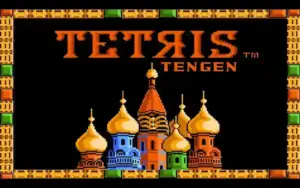
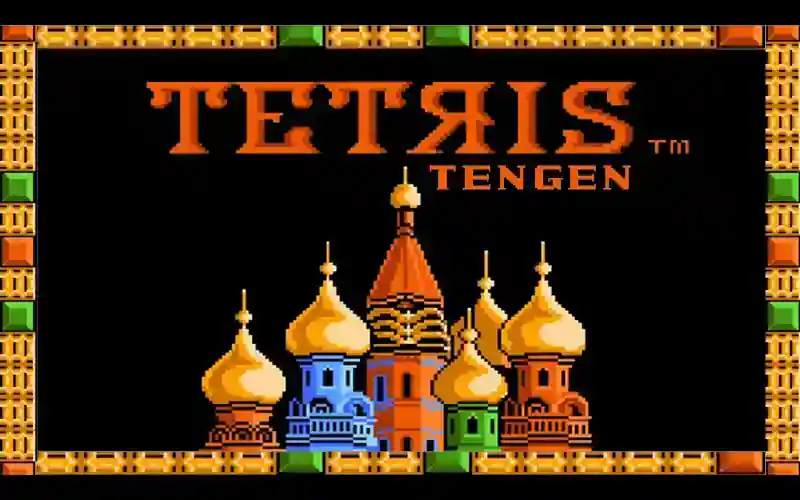
The core of the intervention involves the video game Tetris, which requires players to rotate and position falling shapes. Participants first briefly recalled the traumatic memory without describing it in detail. They were then taught mental rotation, a cognitive skill that uses the mind’s eye to manipulate objects. ICTI asks participants to apply this skill while playing Tetris slowly for about twenty minutes.
The method aims to occupy the brain’s visuospatial processing areas, which are also involved in generating visual flashbacks. By competing for these neural resources, the intervention reduces the vividness, emotional impact and frequency of intrusive images. Researchers observed that the benefits extended beyond flashbacks to broader PTSD symptoms. Anxiety, depression and overall functioning improved by the fourth week, regardless of participants’ initial PTSD severity.
Tetris has been studied for cognitive effects for more than a decade, with earlier research showing that the game can reduce cravings, improve spatial reasoning and even influence how memories consolidate. Its structured visual demands make it unusually effective at engaging the brain’s visuospatial systems, which explains why it continues to appear in psychological and neurological studies. The new findings add to a growing body of evidence suggesting that simple digital tasks can meaningfully influence how the brain processes traumatic experiences.