
TikTok Returns After Albania’s Year-Long Ban
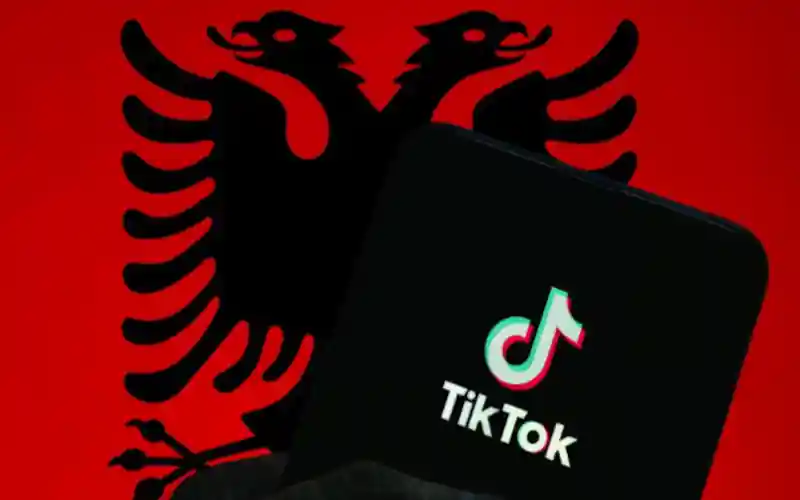
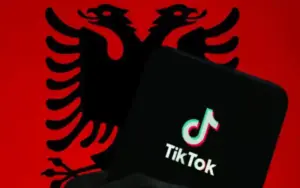
- TikTok has become accessible again in Albania after a government ban expired this month.
- Officials say the platform implemented stronger safety measures, though critics argue the original ban was politically motivated.
- The case highlights the difficulty of regulating social media in a region marked by political tension and rapid digital adoption.
A Ban Rooted in Safety Concerns and Political Turmoil
Albania suspended TikTok last year following the fatal stabbing of a 14‑year‑old boy, a crime that local media linked to online bullying. Authorities claimed the measure was necessary to protect minors, even though TikTok stated the conflict between the students did not originate on its platform. The ban also arrived just weeks before a parliamentary election, prompting opposition parties to accuse the government of suppressing their communication channels. Officials rejected those accusations and insisted that child safety was the sole motivation behind the decision.
The government of Prime Minister Edi Rama later told Reuters that TikTok had addressed the concerns raised during the ban. According to the statement, the platform introduced new security and language filters that satisfied regulatory expectations. Officials argued that the ban itself helped pressure TikTok into making the required changes. TikTok declined to comment on the government’s claims.
Opposition Accusations and Rising Political Tensions
Opposition figures maintain that the timing of the ban was suspicious. Edona Haklaj of the small party Shqiperia Behet said the shutdown was intended to influence public opinion, though she offered no concrete evidence. Albania has experienced months of unrest, with violent clashes between police and the main opposition Democratic Party. Demonstrators have demanded the government’s resignation following the indictment of deputy prime minister Belinda Balluku for alleged manipulation of public tenders.
Prime Minister Rama dismissed Balluku shortly before the ban expired, but opposition groups say protests will continue. Activists fear that the TikTok case could be used as justification for future restrictions on digital platforms. They argue that the precedent may enable broader censorship during periods of political instability. Concerns have grown as Albania enters another cycle of demonstrations and public pressure.
Effectiveness of the Ban and the Challenge of Enforcement
Technology experts note that the ban had limited practical impact. Many users bypassed restrictions by using VPNs, making it difficult for authorities to enforce a full shutdown. Brenton Benja, founder of Geek Room Albania, said that roughly 1.7 million Albanians continued accessing TikTok throughout the ban by relying on alternative methods. The government itself acknowledged that a complete block proved “impossible” due to technical limitations.
The situation illustrates the broader challenge governments face when attempting to restrict major social platforms. Digital literacy and widespread VPN use make such bans increasingly difficult to implement. Even temporary restrictions can be circumvented by users familiar with basic privacy tools. As a result, policymakers must weigh the symbolic value of bans against their limited real‑world effectiveness.
A Precedent With Long-Term Implications
Journalists and civil society groups warn that the TikTok case could influence future decisions about online access. Isa Myzyraj, president of the Association of Albanian Journalists, said the move risks normalizing government‑imposed blocks on social networks. He argued that such actions could escalate into broader internet shutdowns during political crises. The concern reflects a growing debate across Europe about balancing online safety with freedom of expression.
Albania’s experience also underscores the difficulty of regulating global platforms in politically divided environments. Governments may frame restrictions as protective measures, while critics interpret them as tools of control. The return of TikTok does not resolve these tensions, but it does highlight the need for clearer digital governance frameworks. How Albania handles future disputes will likely shape regional discussions on platform accountability.
Albania is not the only country to struggle with regulating TikTok. Several European governments have restricted the app on official devices due to data‑security concerns, while nations such as India have implemented full bans. These global debates show how social platforms increasingly sit at the intersection of technology, politics and national security, making regulatory decisions far more complex than simple content moderation.