

Trump’s AI Order Faces Legal Tests
- States likely to challenge attempts to block AI laws
- Order ties AI laws to broadband funding, faces rural opposition
- Some Republicans oppose Trump’s AI order
Federal Push Against State AI Laws
The executive order instructs federal agencies to sue states and withhold funds if their AI laws are deemed restrictive. Tech companies welcomed the move, arguing that fragmented state rules hinder U.S. competitiveness against China. Legal experts, however, caution that the administration lacks strong authority to enforce much of the order. Joel Thayer of the Digital Progress Institute noted that the legal foundation for such sweeping action is limited.
The order represents a significant attempt to centralize AI regulation at the federal level. States, particularly those with existing AI frameworks, are expected to resist. Republican-led states may also oppose the measure despite Trump’s support among rural voters. The clash highlights tensions between federal oversight and state autonomy in emerging technologies.
Broadband Funding Disputes
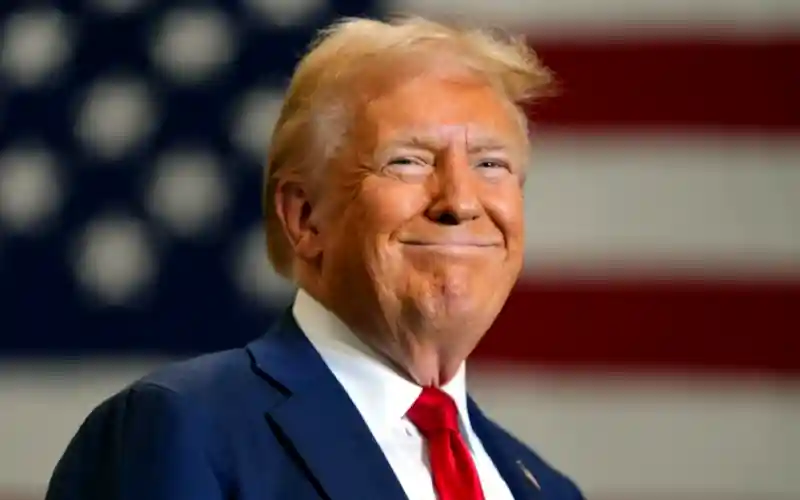
One enforcement tool ties compliance with AI rules to eligibility for the $42 billion Broadband Equity, Access, and Deployment (BEAD) program. This funding is critical for expanding internet access in rural areas, a key constituency for Trump (pictured). Analysts warn that linking broadband support to AI regulation could alienate rural communities. Dean Ball, a former White House official, estimated only a 30–35% chance of the approach surviving legal challenges.
Courts would need to assess whether AI laws are sufficiently related to the broadband statute’s purpose. Many states have already received pre-approval for funding, complicating enforcement. Questions remain about whether Congress intended to grant the administration such authority when authorizing broadband programs. Republican governors, including Sarah Huckabee Sanders and Ron DeSantis, have voiced opposition to federal interference in state AI laws.
Interstate Commerce Challenges
The order also directs the Department of Justice to challenge state AI laws under the Constitution’s interstate commerce provisions. Supporters, including venture firm Andreessen Horowitz, argue that state restrictions impede national markets. Yet courts have previously rejected similar arguments against state privacy laws under the dormant commerce clause. Slade Bond, a former DOJ official, emphasized that courts focus on whether laws treat out-of-state businesses differently from local firms.
This legal uncertainty adds another layer of complexity to the administration’s strategy. While federal challenges may proceed, precedent suggests limited success. States defending their laws are likely to argue that they apply equally to all businesses. The outcome will shape how AI regulation evolves across the United States in the coming years.
The debate mirrors earlier battles over internet privacy and data protection, where state laws often set stricter standards than federal rules. California’s Consumer Privacy Act, for example, became a model despite industry efforts to limit state authority. Analysts suggest that AI regulation could follow a similar path, with states driving innovation in policy even as federal agencies seek uniformity. The executive order underscores the growing importance of AI governance, but its fate will depend on how courts balance national interests with state rights.