
U.S. Approves Nvidia H200 Exports to China
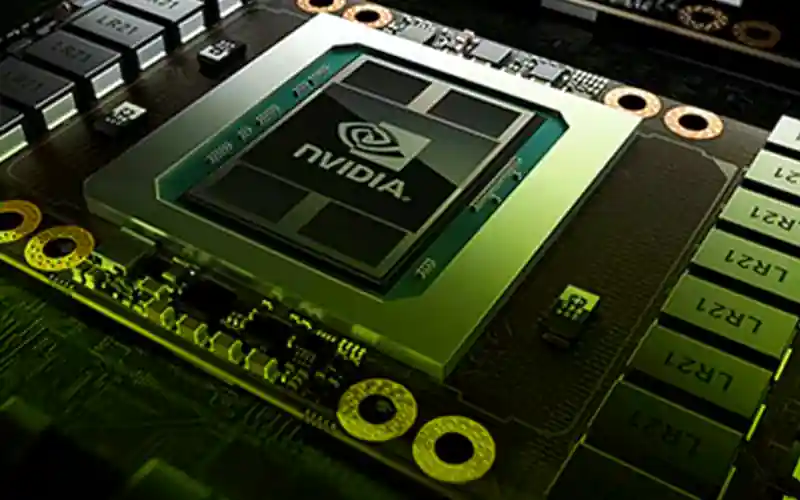
- The United States has decided to permit shipments of Nvidia’s H200 processors to China, subject to a 25% fee
- The move is presented as a compromise between national security concerns and maintaining U.S. leadership in artificial intelligence hardware
- Details remain limited, but the decision could reshape the competitive landscape for AI chips in Asia
Policy Decision and Its Scope
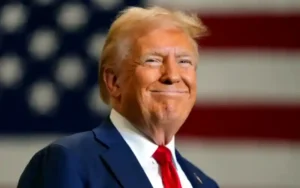
The U.S. government will allow Nvidia’s H200 processors, considered the company’s second‑tier AI chips, to be exported to China under new conditions. President Donald Trump announced the measure on Truth Social, noting that a 25% fee would apply to such sales. The Commerce Department is tasked with finalizing the arrangement, which will extend to other firms including AMD and Intel. While the announcement signals a policy shift, it leaves open questions about the volume of chips authorized and the precise conditions attached.
Nvidia’s stock rose 2% in after‑hours trading following the announcement, building on a 3% increase earlier in the day. Investors appeared to welcome the clarity after months of debate over whether U.S. companies should continue supplying advanced chips to China. Beijing has previously advised firms to avoid U.S. technology, creating uncertainty about potential demand. The decision is framed as a balance between restricting access to Nvidia’s latest Blackwell chips and avoiding a complete halt that could strengthen domestic Chinese competitors such as Huawei.
Statements and Official Positions
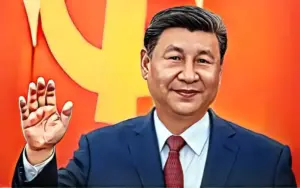
Trump said he had informed Chinese President Xi Jinping of the move and received a positive response. He emphasized that exports would proceed only under conditions that safeguard national security. Nvidia issued a statement describing the policy as a “thoughtful balance” for the U.S., while Intel declined to comment and AMD did not respond to inquiries. A White House official clarified that the 25% fee would be collected as an import tax from Taiwan, where the chips are manufactured, before undergoing U.S. security review and subsequent export to China.
The H200 is part of Nvidia’s Hopper architecture, positioned below the flagship Blackwell series that remains restricted from Chinese markets. Analysts note that while the H200 is powerful, it does not represent Nvidia’s cutting‑edge technology, which helps the U.S. maintain a technological lead. Interestingly, the Rubin architecture mentioned by Trump is expected to succeed Blackwell in the coming years, underscoring the rapid pace of AI chip development. Industry observers suggest that the compromise could slow Huawei’s momentum in AI hardware, though China’s long‑term strategy to reduce reliance on U.S. technology remains unchanged.