
UK Partners With Microsoft on Deepfake Detection
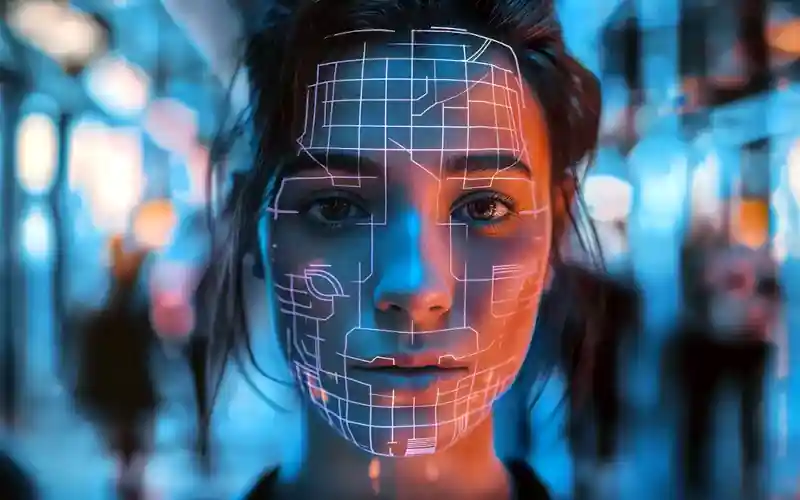
- The UK government is working with Microsoft researchers to develop a framework for detecting harmful deepfakes online.
- The initiative aims to establish consistent standards for evaluating detection tools as AI‑generated content becomes more realistic and widespread.
- Regulators hope the effort will help address rising concerns around fraud, impersonation and non‑consensual imagery.
UK Launches Deepfake Detection Initiative
The British government has announced a partnership with Microsoft academics and technical experts to develop a system for identifying deepfake material online. Officials say the goal is to create a standardized evaluation framework that can assess how well detection tools perform against real‑world threats. The move comes amid growing concern about the rapid spread of AI‑generated images, audio and video. Generative AI systems, popularized by tools like ChatGPT, have made it easier than ever to produce convincing manipulated content.
Britain recently criminalized the creation of non‑consensual intimate images, reflecting a broader push to address the misuse of synthetic media. Technology minister Liz Kendall said deepfakes are increasingly used to defraud the public, exploit women and girls and undermine trust in digital information. The new framework is intended to help government agencies and law enforcement understand where detection gaps remain. It will also guide industry by setting clear expectations for deepfake identification standards.
The government estimates that around 8 million deepfakes were shared in 2025, a dramatic increase from 500,000 in 2023. This surge has prompted regulators to accelerate efforts to address the risks posed by manipulated media. Officials say the framework will evaluate detection tools regardless of how or where the deepfake was created. The aim is to ensure that solutions can handle a wide range of malicious uses, from impersonation to financial scams.
Regulators Respond to Rise in Non‑Consensual Imagery
Governments worldwide have struggled to keep pace with the rapid evolution of AI‑generated content. The issue gained new urgency after reports that Elon Musk’s Grok chatbot produced non‑consensual sexualized images of individuals, including minors. The incident triggered investigations by the UK’s communications watchdog and privacy regulator. These inquiries reflect a broader trend of regulators scrutinizing AI systems that can generate harmful or deceptive material.
The UK’s deepfake detection framework is designed to support these regulatory efforts. By testing tools against scenarios involving sexual abuse, fraud and impersonation, officials hope to better understand the strengths and limitations of current technologies. The framework will also help identify areas where additional research or investment is needed. Regulators say this approach is essential for building long‑term resilience against AI‑driven manipulation.
The government emphasizes that the framework is not limited to any single platform or technology provider. Instead, it aims to create a consistent benchmark that can be applied across the industry. This could help ensure that companies adopt more robust detection practices. It may also support international cooperation as other countries develop their own standards.
Microsoft’s Role in the Detection Effort
Microsoft’s involvement centers on its academic researchers and technical experts, who will contribute to the development of the evaluation framework. Their work will focus on understanding how deepfake detection tools perform under different conditions. The collaboration reflects Microsoft’s broader engagement with AI safety research. It also aligns with the company’s efforts to address misinformation and harmful content across its platforms.
The partnership does not imply that Microsoft will build the detection tools themselves. Instead, the company’s researchers will help design the tests and methodologies used to evaluate third‑party systems. This approach aims to ensure that the framework is grounded in rigorous scientific analysis. It also allows the government to draw on expertise from one of the world’s largest technology companies.
Officials say the framework will eventually guide how industries deploy deepfake detection technologies. Companies may be expected to meet certain standards to demonstrate that their tools can identify harmful content effectively. The government hopes this will encourage more responsible development and deployment of AI systems. It may also help build public trust in digital media.
Deepfake detection remains a technically challenging field. Researchers note that as detection tools improve, generative models often evolve to evade them, creating a constant cycle of adaptation. Some studies suggest that watermarking or cryptographic verification may complement detection efforts in the future. The UK’s framework could help determine which approaches are most reliable as AI‑generated content continues to advance.