

UK Supreme Court Backs Patentability of AI Systems
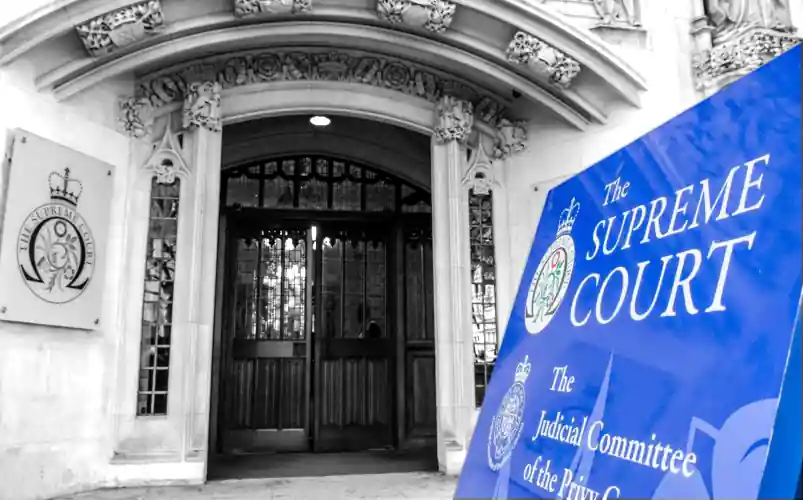
- The UK Supreme Court has ruled that an artificial neural network can be patented, marking a significant shift in how software‑based inventions are treated under UK law.
- The decision overturns a previous refusal by the Intellectual Property Office and is being welcomed by lawyers as a boost for AI and software innovation.
- The case now returns to the IPO, which must decide whether to grant the patent.
A Landmark Ruling for AI and Patents
The UK Supreme Court has ruled that an artificial neural network (ANN) can be patented, opening the door to broader protection for AI‑driven technologies. The case involved Emotional Perception AI, which sought a patent for a system capable of recommending media files and generating new ones designed to evoke similar emotional responses. The UK Intellectual Property Office rejected the application in 2022, prompting a series of appeals. Wednesday’s ruling overturns that decision and clarifies that computer programs may be patented when they rely on physical hardware.
The court found that an ANN cannot operate without hardware, meaning it can fall within the scope of patentable inventions. Lawyers say this represents a meaningful shift in UK patent law, which has historically been restrictive toward software patents. The decision does not automatically grant Emotional Perception AI a patent. Instead, the case returns to the IPO for further examination under the clarified legal framework.
The ruling is expected to influence how future software‑related patent applications are assessed. Legal experts believe it will encourage more companies to seek protection for AI‑based innovations. The decision also signals that UK courts are willing to adapt patent law to reflect advances in machine learning and computational methods.
Industry Reaction Highlights Broader Implications
Patent specialists have welcomed the ruling as a positive development for the UK’s innovation landscape. Jonathan Ball of Norton Rose Fulbright described it as “a major boost for AI innovators,” noting that it could make it easier for companies to secure protection for machine‑learning technologies. Alex Morgan of Paul Hastings said the decision aligns with the UK’s efforts to position itself as an AI‑friendly jurisdiction. He argued that clearer rules could attract companies developing advanced models and algorithms.
Other experts urged caution, pointing out that the IPO must still interpret and apply the ruling in practice. Lara Sibley of Marks & Clerks said the judgment may help applicants but warned that its real impact will depend on how examiners handle future cases. The IPO acknowledged that the decision clarifies the law and said it will update its approach accordingly. Patent attorneys expect a rise in applications involving neural networks, data‑driven systems and other AI‑based inventions.
The ruling also has implications beyond AI. Because it affects how software patents are evaluated more broadly, companies working in fields such as fintech, cybersecurity and digital media may benefit. The decision could reshape the UK’s competitive position in global technology markets. Innovators may now view the UK as a more attractive venue for protecting software‑based intellectual property.
A Turning Point for AI Development in the UK
The case highlights the increasing role of AI in commercial and creative industries. Emotional Perception AI’s system aims to recommend media files based on emotional similarity, regardless of genre or personal taste. Its approach reflects a broader trend toward AI‑driven personalization in entertainment and digital services. The company argued that its neural network performs functions that go beyond traditional software, requiring recognition as a patentable invention.
The Supreme Court’s ruling acknowledges that modern AI systems blur the line between software and hardware. Neural networks rely on physical computing components to function, making them more than abstract algorithms. This reasoning may influence future legal debates about the nature of AI inventions. Courts and regulators worldwide are grappling with how to classify and protect machine‑learning technologies.
The decision comes as governments and companies invest heavily in AI research. The UK has positioned itself as a hub for AI development, with policymakers emphasizing innovation‑friendly regulation. Patent protection is a key part of that strategy, offering companies incentives to develop new technologies. The ruling may therefore support the country’s broader ambitions in the global AI sector.
The case also underscores the challenges of adapting legal frameworks to rapidly evolving technologies. As AI systems become more sophisticated, questions about ownership, attribution and inventorship will continue to emerge. The UK’s latest ruling provides one piece of that evolving puzzle.
Artificial neural networks have been at the center of several international patent disputes. Some jurisdictions, including the United States and the European Union, maintain stricter limits on software patents, while others have begun to reconsider their approaches. The UK’s decision may influence future debates about how to classify AI inventions and whether existing patent systems are equipped to handle them.