
UK Tightens Rules on Blocking Unsolicited Nude Images
- New UK online safety rules will require technology platforms to block unsolicited sexual images, marking a significant expansion of legal obligations for major services.
- The measures come amid rising concerns about AI‑generated abuse and deepfake content circulating on social networks.
- Regulators say the changes aim to create safer digital environments, particularly for women and girls.
New Safety Requirements Target Cyberflashing
Technology companies operating in Britain must now prevent the distribution of unsolicited sexual images under rules taking effect on Thursday. Cyberflashing has been a criminal offence in England and Wales since early 2024, with offenders facing up to two years in prison. The practice has now been designated a priority offence under the Online Safety Act, placing stricter obligations on platforms including Facebook, YouTube, TikTok and X. These requirements also extend to dating apps and websites hosting adult content.
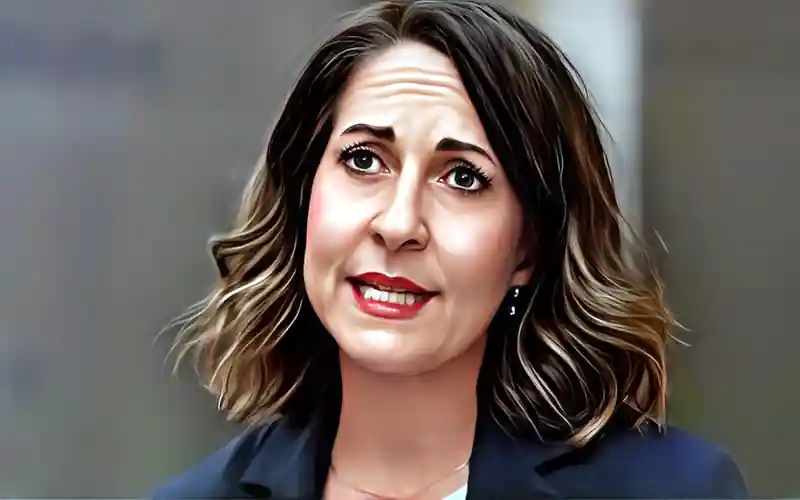
Technology Secretary Liz Kendall (pictured) said platforms are legally required to detect and block such material. She emphasized that online spaces must be safe for women and girls, citing a poll showing one in three teenage girls had received unsolicited sexual images. The government said Ofcom will consult on the specific measures platforms must implement. This process will determine how companies demonstrate compliance with the new rules.
The Online Safety Act represents one of the UK’s most comprehensive attempts to regulate harmful digital content. It places responsibility on platforms to proactively address illegal material rather than relying solely on user reports. Companies that fail to comply may face significant penalties. The new rules reflect growing political pressure to address online abuse.
Regulators expect platforms to deploy technical systems capable of identifying and blocking harmful images. These systems must operate at scale across diverse services. The government has signaled that enforcement will be strict. Companies are preparing for increased oversight as the rules come into force.
Deepfake Controversy Intensifies Scrutiny of X
The new requirements arrive as global criticism mounts over sexually explicit deepfake images generated on X via its AI chatbot Grok. France has opened an investigation, calling the content “manifestly illegal.” The European Commission said it is examining Grok’s “spicy mode” and warned that such features have no place in Europe. These developments have increased pressure on X to strengthen its safeguards.
Kendall urged X to address the surge in intimate deepfake images, describing the content as “absolutely appalling.” Ofcom confirmed it has contacted the platform to understand how it plans to meet UK legal obligations. Indian authorities have also requested explanations from the company. The situation has raised broader questions about the responsibilities of platforms deploying generative AI tools.
X’s Safety account stated that the platform removes illegal content and suspends accounts involved. It added that users prompting Grok to generate illegal material would face the same consequences as those uploading it directly. Despite this, Elon Musk has publicly dismissed concerns, responding with laughing emojis to edited images of public figures. His reaction has drawn criticism from officials who argue that platforms must take the issue seriously.
The controversy highlights the challenges of moderating AI‑generated content. Deepfake tools can create realistic images that are difficult to detect using traditional moderation systems. Regulators are increasingly focused on ensuring that platforms adapt their safety measures to emerging technologies. The UK’s new rules reflect this shift toward more proactive oversight.
Regulators Push for Stronger Protections Across Platforms
Governments worldwide are tightening rules around AI‑generated sexual content. The UK’s approach places clear legal duties on platforms to prevent unsolicited nude images and other forms of abuse. Ofcom will play a central role in determining how these obligations are enforced. The regulator is expected to issue guidance outlining the technical and operational standards platforms must meet.
The new rules aim to reduce the prevalence of harmful content that disproportionately affects women and girls. Surveys show that young people are particularly vulnerable to receiving unsolicited sexual images. Policymakers argue that stronger protections are necessary to address these risks. The Online Safety Act provides a framework for holding platforms accountable.
International cooperation is becoming increasingly important as deepfake technology spreads. Countries such as France and India are already engaging with platforms over AI‑generated abuse. The European Commission’s scrutiny of Grok underscores the growing regulatory focus on generative AI. These developments suggest that platforms may face coordinated pressure across multiple jurisdictions.
The UK government says the new measures are part of a broader effort to modernize digital safety laws. Regulators expect platforms to invest in detection technologies and improve reporting mechanisms. Companies that fail to comply could face fines or other enforcement actions. The coming months will reveal how effectively platforms adapt to the new requirements.
Deepfake detection remains a rapidly evolving field, with researchers noting that AI‑generated images are becoming increasingly difficult to distinguish from real photographs. Some studies suggest that detection tools must be updated frequently to keep pace with new generative models. This arms race between creation and detection technologies is shaping global regulatory strategies. The UK’s new rules reflect a growing recognition that safety systems must evolve as quickly as the tools they aim to regulate.