

Xerox Previews Next‑Gen Production Print Technology
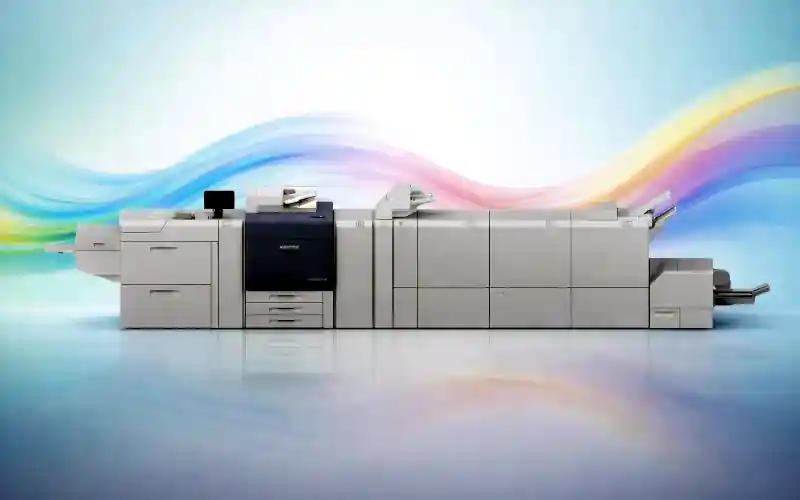
- Xerox has opened a four‑day event showcasing its newest production print technologies and workflow tools for commercial print providers.
- The gathering highlights advances in automation, inkjet performance, and connected software designed to support evolving print operations.
- Its demonstrations offer a detailed look at how Xerox aims to strengthen its position in the production print market.
A Strategic Push Toward Smarter Production Workflows
Xerox launched The Future of Xerox Production Print at its Innovation Centre in Uxbridge, bringing together print providers, partners, and industry leaders from across Europe, the Middle East, and Africa. The event focuses on hands‑on demonstrations, technology previews, and executive briefings intended to help attendees navigate a rapidly changing production landscape. Terry Antinora, president of Global Production Print Services at Xerox, emphasized that intelligence, automation, and differentiation will define the next phase of print innovation. He noted that production print remains a strategic priority for the company as it invests in high‑speed inkjet, AI‑driven workflow tools, and digital embellishment.
Throughout the event, Xerox is presenting its end‑to‑end production ecosystem to show how connected workflows can streamline operations. The company highlights how automation and digital enhancements can reduce manual steps and improve consistency across print environments. These demonstrations aim to illustrate how integrated systems can help print providers scale more efficiently. Attendees are also seeing how new hardware and software components work together to support a broader range of applications.
New Presses Designed for Flexibility and Growth
Several new technologies are making their global debut at the event, beginning with the Xerox Proficio PX300. This compact digital color press combines automation, ultra‑high‑definition image quality, and an optional fifth‑color station to help smaller print providers expand into higher‑value work. Its application versatility is intended to support a wide range of jobs without requiring complex setup. Xerox positions the PX300 as an accessible entry point for businesses looking to enhance their digital capabilities.
The company is also introducing the Proficio PX500, a high‑speed, high‑volume digital press built for growing print operations. It offers advanced automation, strong media handling, and an optional fifth‑color station that broadens the color gamut for premium applications. This model is designed to scale with increasing production demands while maintaining consistent output quality. Its capabilities target print providers seeking both speed and flexibility in a single platform.
Another addition is the Xerox IJP900 Inkjet Press, a mid‑volume inkjet system aimed at transactional and direct mail applications. The press delivers high‑impact color output while improving efficiency through streamlined operation and integrated workflow automation. Xerox says the IJP900 helps providers expand into new markets without sacrificing productivity. Its design supports environments where reliability and throughput are essential.
Software and Workflow Tools Strengthen the Ecosystem
Xerox is also updating its PrimeLink C9200 Series, an entry‑level production color printer line. The new models now feature FOGRA‑certified color with the EX Fiery print server, expanded envelope support, and advanced finishing options. Productivity tools have been added to simplify job management and improve turnaround times. These enhancements aim to make the C9200 Series more competitive for smaller operations seeking professional‑grade output.
Complementing the hardware updates is Xerox FreeFlow Vision Connect, a cloud‑based production monitoring and analytics platform. The software offers faster onboarding, expanded predictive monitoring, and new support for the IJP900 Inkjet Press. Its goal is to help print providers gain better visibility into their production environments and identify issues before they disrupt operations. By integrating analytics with workflow automation, Xerox aims to create a more cohesive production ecosystem.
Together, the new presses and workflow tools expand opportunities across high‑quality color, high‑volume inkjet, and automated production. Xerox is positioning these technologies as a way for print providers to streamline operations, enter new markets, and accelerate growth. The company’s focus on integration reflects a broader industry shift toward connected, data‑driven production environments. These developments underscore Xerox’s commitment to evolving alongside the needs of modern print businesses.
Digital embellishment and fifth‑color stations have become increasingly important as print providers look for ways to differentiate their offerings. These features allow presses to produce metallics, fluorescents, and specialty effects that command higher margins. Industry analysts note that demand for short‑run, high‑value print continues to rise as brands seek more personalized and visually distinctive materials. Xerox’s emphasis on automation and workflow intelligence aligns with a wider trend toward reducing labor‑intensive processes in production print environments.